
Blog
Mike Wolfe Passion Project: More Than Bricks, More Than Mortar

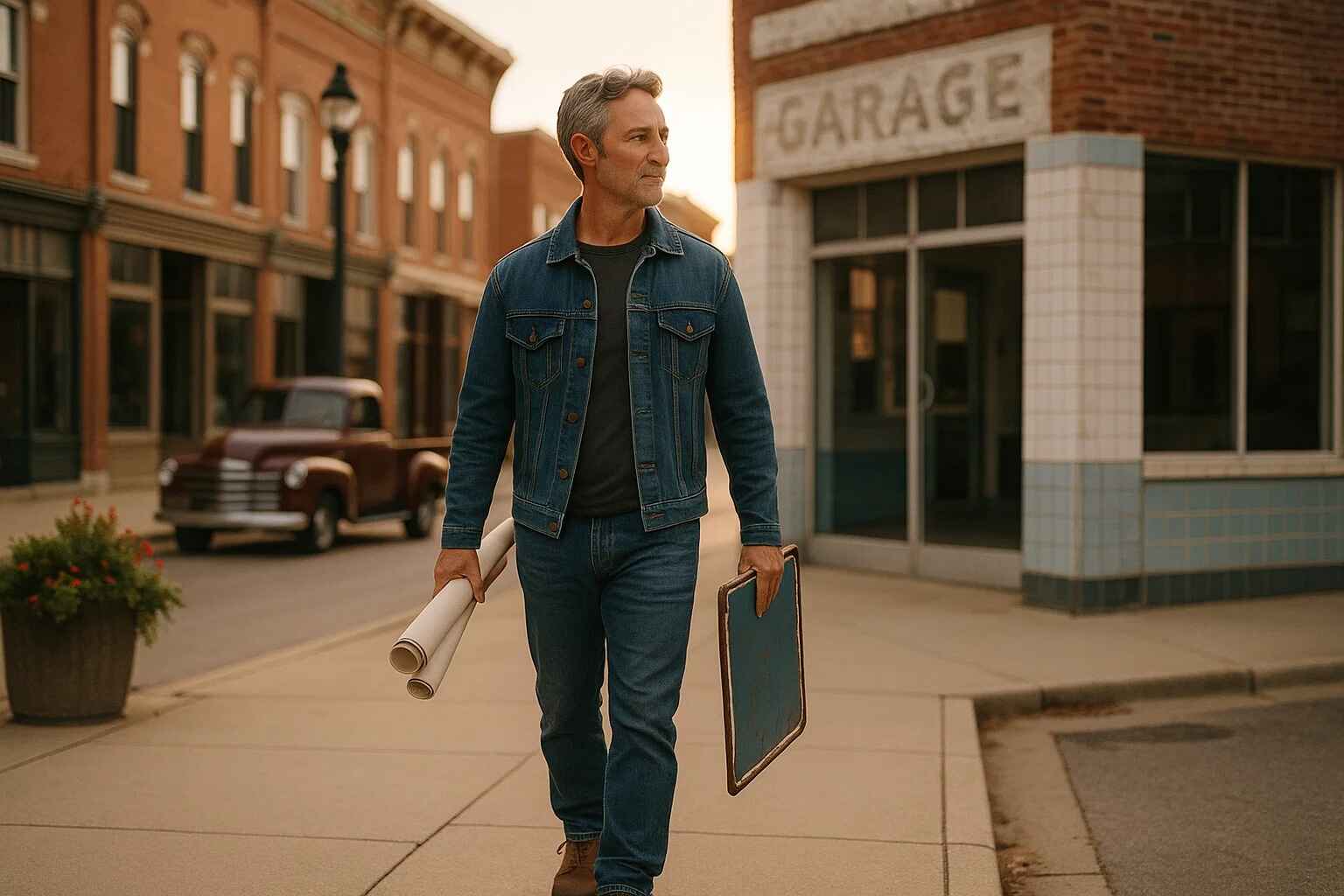
An Introduction to Mike Wolfe’s Driving Passion
For millions of viewers, Mike Wolfe is the charismatic co-host of American Pickers, a man who travels the backroads of the nation searching for “rusty gold.” While his television persona is defined by unearthing rare antiques and forgotten relics, his true life’s work extends far beyond the items he picks.
The Mike Wolfe passion project is a broader, more profound mission rooted in historic preservation and the revitalization of America’s small towns. It’s about saving the very buildings and communities where these incredible stories originate. This isn’t just a hobby; it’s a deeply personal crusade to breathe life back into the architectural bones of Main Street, U.S.A.
Wolfe’s efforts go beyond simply collecting artifacts; he is a staunch advocate for heritage conservation, investing his own time and resources into restoring dilapidated buildings. From forgotten gas stations in Tennessee to entire downtown blocks, his vision is to transform these neglected structures into vibrant community hubs. This article delves into the heart of this endeavor, exploring what drives the American Pickers host to take on these massive restoration projects.
We will examine the philosophy behind his work, look at specific examples of his preservation efforts, and understand the impact his work has on local economies and the collective American story. It’s a journey from antique archaeology in a dusty barn to architectural archaeology on a national scale.
What is the Mike Wolfe Passion Project?
At its core, the Mike Wolfe passion project is a multifaceted effort dedicated to historic preservation and the economic rejuvenation of small-town America. While it doesn’t have a single official name, it encompasses his various restoration initiatives, public advocacy, and investments in heritage conservation.
It’s the tangible application of the philosophy he champions on American Pickers: that old things have value and their stories deserve to be told. For Wolfe, this applies as much to a 19th-century brick building as it does to a vintage motorcycle. He sees these structures not as decaying liabilities but as foundational assets for community identity and future growth.
This mission is driven by a belief that saving a town’s historic architecture is the first step toward reviving its spirit and economy. By restoring key buildings, Wolfe aims to create a ripple effect, encouraging other entrepreneurs and residents to invest in their own communities. His work serves as a real-world model for turning neglected history into a vibrant future.
The project is less about creating museums and more about developing functional, modern spaces—like cafes, shops, and inns—that respect and celebrate their historic integrity. It’s a practical approach to preservation that demonstrates how the past can fuel the present.
Beyond the TV Show: A Deeper Mission
Many fans know Mike Wolfe for his antique-hunting adventures, but his preservation work is where his legacy truly takes shape. This mission is a personal one, born from thousands of hours spent on backroads, witnessing firsthand the decline of once-thriving Main Streets. He has often spoken about the “bones” of these towns and the importance of saving them before they are lost forever. His work is a direct response to the homogenization of American culture, fighting to preserve the unique character that makes each small town special.
The Philosophy of Architectural Storytelling
For Wolfe, every old building tells a story. A faded sign on a brick wall, the unique design of a storefront, or the worn wooden floors of an old general store are all chapters in a community’s history. His passion project is about ensuring these stories are not erased. By restoring a building, he is preserving the narrative of the people who built it, worked in it, and lived around it for generations. This form of architectural storytelling helps connect current residents to their heritage and creates a richer, more meaningful sense of place.
From Antique Archaeology to Community Revitalization
The skills Wolfe honed as a picker—seeing potential where others see junk, understanding an object’s history, and appreciating craftsmanship—are directly transferable to his restoration work. He approaches a dilapidated building with the same eye he uses for an antique find.
This transition from “Antique Archaeology,” the name of his famous stores, to community-wide revitalization is a natural evolution of his life’s work. It expands his focus from individual items to the entire ecosystem that produced them, aiming to save the context along with the content.
The Heart of the Mission: Historic Preservation
Historic preservation is the central pillar of the Mike Wolfe passion project. This endeavor is not about freezing buildings in time but adapting them for contemporary use while honoring their original character and craftsmanship.
Wolfe’s approach is a masterclass in adaptive reuse, a practice that repurposes old structures for new functions. This method is both environmentally sustainable—as it avoids demolition and new construction—and culturally significant, as it maintains the historical fabric of a community. His work demonstrates that preservation and progress are not mutually exclusive.
The process often begins with identifying a building of historical or architectural importance that has fallen into disrepair. These are typically cornerstone structures on a town’s Main Street, such as old banks, theaters, or commercial buildings.
The restoration itself is a painstaking process that involves stabilizing the structure, repairing original features like windows and brickwork, and updating the interior for modern safety and accessibility standards. Throughout this process, the goal is to retain as much of the original material and design as possible, celebrating the history rather than erasing it.
Why Saving Old Buildings Matters
Saving old buildings is about more than just aesthetics; it’s a form of cultural and economic investment.
- Cultural Identity: Historic buildings provide a tangible link to a community’s past, giving residents a sense of identity and continuity.
- Economic Driver: Restored downtowns become destinations for tourists and magnets for new businesses, creating jobs and boosting local economies. Heritage tourism is a growing industry, and unique, historic towns are a major draw.
- Sustainability: Reusing an existing building is far more environmentally friendly than tearing it down and building something new. It saves landfill space and reduces the carbon footprint associated with new construction materials.
Case Study: Restoration in Columbia, Tennessee
A prominent example of Wolfe’s work is his investment in Columbia, Tennessee. He has purchased several properties in the downtown area with the goal of revitalizing the historic district. One notable project involved restoring a block of buildings to house new retail and hospitality ventures. His hands-on involvement, from design to construction, showcases his commitment. He doesn’t just fund the projects; he is an active participant in their revival, ensuring every detail aligns with his preservationist vision.
The “As Found” Approach to Buildings
Similar to his “as found” philosophy with antiques, Wolfe often seeks to preserve the aged and weathered character of buildings. This means he might leave a faded “ghost sign” on a brick wall or keep original, imperfect floorboards. This approach celebrates the building’s journey through time, acknowledging its layers of history rather than stripping it down to a sterile, new-like state. It adds a level of authenticity and charm that new construction can rarely replicate.
Main Street Revitalization in Action
The Mike Wolfe passion project is best understood through its real-world impact on Main Street revitalization. Wolfe is a prominent advocate for the “Main Street America” movement, which focuses on strengthening communities through preservation-based economic development. His fame gives him a powerful platform to champion this cause, but his true impact comes from putting his money and effort where his mouth is. He invests directly in small towns, proving that his model can work.
His projects often serve as anchor tenants that inspire confidence in a downtown area. When a well-known figure like Mike Wolfe invests in a town, it sends a powerful signal to other potential investors, entrepreneurs, and even residents.
This can trigger a chain reaction of positive development, with new shops, restaurants, and art galleries opening in the wake of his initial investment. The result is a more vibrant, walkable, and economically resilient downtown that serves both locals and visitors. This is not just about nostalgia; it’s a strategic approach to building sustainable local economies.
The Ripple Effect of a Single Project
A single restoration project can have a profound ripple effect. For instance, restoring an old theater might not only bring entertainment back to Main Street but also increase foot traffic for nearby restaurants and shops. Transforming a derelict building into a boutique hotel encourages tourists to stay overnight, spending money on lodging, food, and local attractions. This demonstrates how one thoughtful investment can become an economic engine for an entire district.
Inspiring a New Generation of Preservationists
Through his work and public advocacy, Wolfe is inspiring a new generation to care about historic preservation. He makes the concept accessible and exciting, showing that it’s not just for academics or wealthy patrons. He presents it as a hands-on, grassroots effort that anyone can get involved in, whether it’s by supporting local businesses in historic buildings or advocating for preservation-friendly policies in their own towns. His influence helps make preservation cool, connecting it to entrepreneurship and community pride.
From Le Claire to Nashville: Building on Success
Wolfe’s business, Antique Archaeology, has locations in Le Claire, Iowa, and Nashville, Tennessee. Both are situated in areas that benefit from his preservationist ethos. The Le Claire store helped turn a sleepy river town into a major tourist destination. He has since applied the lessons learned there to his more extensive projects in and around Nashville. These stores are more than just retail outlets; they are extensions of his passion project, serving as living examples of how history and commerce can thrive together.
The Challenges of Heritage Conservation
While the results are often beautiful and inspiring, the path of heritage conservation is filled with significant challenges. Undertaking a Mike Wolfe passion project is not for the faint of heart. Restoring old buildings is often far more complex and expensive than new construction. Unforeseen problems, such as structural instability, hazardous materials like asbestos or lead paint, and severe water damage, are common. These issues can cause budgets to balloon and timelines to stretch indefinitely.
Furthermore, navigating the bureaucracy of preservation can be daunting. Projects often require approval from local historical commissions, planning departments, and city councils. There are strict regulations and building codes to adhere to, which can sometimes conflict with the goal of preserving a building’s original character.
Finding skilled craftspeople who specialize in historic restoration techniques, such as masonry, plasterwork, or window glazing, can also be a major hurdle. These artisans are becoming rarer, and their expertise comes at a premium. Wolfe’s projects face these same obstacles, requiring immense patience, creativity, and financial fortitude to overcome.
Navigating Building Codes and Regulations
Modern building codes are designed for new construction and don’t always accommodate the quirks of historic structures. For example, requirements for insulation, window efficiency, or accessibility (like ADA compliance) can be difficult to implement without compromising a building’s historic fabric. Creative solutions are often needed to meet these codes while respecting the integrity of the original design, which requires close collaboration with architects, engineers, and local officials.
The Financial Burden of Restoration
The financial side of restoration is perhaps the biggest challenge. Unlike a predictable new build, a restoration budget is filled with unknowns. What seems like a simple cosmetic fix can quickly reveal deep-seated structural issues that cost tens or even hundreds of thousands of dollars to remedy. Securing financing can also be difficult, as some lenders are wary of the risks associated with old buildings. Tax credits for historic preservation can help offset some costs, but they come with their own complex application processes.
Finding Skilled Artisans for the Job
A successful restoration depends on the skills of artisans who practice traditional trades. This includes everything from replicating ornate plaster moldings to repairing stained-glass windows. The decline in vocational training has led to a shortage of these skilled workers. Finding the right people for the job and coordinating their efforts is a critical project management challenge. Wolfe often highlights the importance of these craftspeople, recognizing them as essential partners in his preservation work.
The Economic Impact on Small Towns
The economic impact of the Mike Wolfe passion project on small towns is one of its most compelling success stories. By transforming derelict buildings into thriving businesses, his work directly creates jobs—not only in the initial construction and restoration phases but also in the ongoing operation of the new ventures. These projects also increase the local tax base, providing municipalities with more revenue to fund public services like schools, parks, and infrastructure. This creates a virtuous cycle of investment and growth.
Moreover, these revitalized historic districts become powerful tourist magnets. Heritage tourism is a significant and growing sector of the travel industry. Visitors are increasingly seeking authentic experiences and are drawn to the unique charm and character of well-preserved small towns. They come to shop in the boutiques, eat at the local restaurants, and stay in the historic inns, injecting outside money directly into the local economy.
This diversification of the economic base makes towns more resilient and less dependent on a single industry.
Boosting Property Values
When a key building on Main Street is beautifully restored, it has a positive effect on surrounding property values. It encourages neighboring property owners to invest in their own buildings, leading to a district-wide aesthetic and economic uplift. This can attract new residents and businesses to the area, further fueling the local economy and creating a more vibrant community.
Creating Destination-Worthy Businesses
Wolfe’s projects are not just about saving buildings; they’re about creating destinations. Whether it’s a meticulously restored gas station turned into a community gathering spot or a historic building converted into a unique lodging experience, the goal is to create places that people want to visit. These businesses often become local landmarks, drawing media attention and putting the town on the map for a whole new audience.
A Model for Other Communities
Perhaps the most significant economic impact is the model that Wolfe’s work provides for other communities. He demonstrates that preservation-based development is a viable and profitable strategy. His success inspires other towns to look at their own historic buildings not as problems to be demolished but as opportunities to be seized. He provides a roadmap that others can follow to unlock the economic potential hidden in their own heritage.
Pros and Cons of Wolfe’s Preservation Approach
Mike Wolfe’s approach to historic preservation, while widely praised, comes with its own set of advantages and potential drawbacks. Analyzing these aspects provides a balanced view of the impact of his passion project.
Pros of the Mike Wolfe Passion Project
- High Visibility and Public Awareness: Wolfe’s celebrity status brings national attention to the cause of historic preservation, inspiring others to take action in their own communities.
- Economic Catalyst: His investments serve as a powerful economic catalyst, creating jobs, boosting tourism, and increasing property values in the towns he works in.
- Practical, Market-Driven Preservation: His focus on adaptive reuse ensures that restored buildings are economically sustainable. By turning them into viable businesses, he guarantees they will be maintained for the long term.
- Authenticity in Restoration: Wolfe’s appreciation for the “as found” aesthetic helps preserve the genuine character and story of a building, avoiding overly sanitized or inauthentic restorations.
- Hands-On Leadership: His personal involvement in each project ensures that the vision is executed with integrity and passion, serving as a powerful example of committed leadership.
Cons and Criticisms
- Potential for “Gentrification”: A common criticism of this type of revitalization is that it can lead to gentrification. As an area becomes more desirable, property values and rents can rise, potentially displacing longtime residents and small businesses that can no longer afford to be there.
- Focus on a Curated “Look”: Some critics might argue that this style of “curated decay” or rustic-chic restoration, while popular, can lead to a certain homogenization of historic districts, where every town starts to look like a version of the same aesthetic.
- Dependence on a Single Vision: The success of these projects is often tied to Wolfe’s specific vision and financial backing. This can create a dependency that may not be sustainable without his continued involvement, making the model difficult to replicate for communities without a wealthy patron.
- Scalability Challenges: While his projects are inspiring, the model of a single, wealthy investor revitalizing a town is not easily scalable to the thousands of communities across America that need similar help. It highlights the need for broader systemic solutions, such as more robust public funding and tax incentives for preservation.
Future of the Mike Wolfe Passion Project
The future of the Mike Wolfe passion project appears to be one of continued growth and deepening impact. As his work gains more recognition, the scope of his ambitions is likely to expand. We may see him take on larger, more complex restoration projects, perhaps even tackling entire historic neighborhoods or collaborating with municipalities on comprehensive downtown revitalization plans. His focus seems to be shifting from individual buildings to creating cohesive, vibrant historic districts.
There is also potential for him to formalize his efforts, perhaps through a foundation or nonprofit organization dedicated to providing resources and guidance to other communities. This would allow him to leverage his platform to help far more towns than he could by funding projects alone.
Such an organization could offer grants, educational workshops, and expert consultations for grassroots preservation efforts across the country. This would be a natural evolution of his mission, scaling his impact from a personal passion to a national movement.
New Media and Advocacy Projects
Beyond physical restorations, Wolfe may use his media savvy to further his cause. This could include new television series focused specifically on historic preservation, documentaries highlighting success stories, or a more robust online presence that shares practical advice for aspiring preservationists. He is already a powerful storyteller, and using those skills to advocate for Main Street America is a logical next step. His project, History’s Greatest Picks, is an example of expanding his brand within the history and preservation space.
Mentorship and Education
As a leader in the field, Wolfe is in a unique position to mentor the next generation of preservationists, entrepreneurs, and craftspeople. Future initiatives might involve partnerships with trade schools to promote historic building trades or collaborations with universities on urban planning programs. By sharing his knowledge and experience, he can help build the capacity for other communities to save themselves.
Expanding the Geographic Focus
While much of his recent work has been concentrated in Tennessee, the principles of his passion project are universal. In the future, we may see him expand his focus to other regions of the country that are facing similar challenges of economic decline and architectural neglect. His influence is already national, and his direct investment could follow suit, bringing his proven model to new communities ready for a renaissance.
How You Can Support Heritage Conservation
Inspired by the Mike Wolfe passion project? The good news is that you don’t need to be a TV star or a wealthy investor to make a difference. Heritage conservation is a grassroots effort, and there are many ways for individuals to contribute to preserving the historic character of their own communities. The most powerful actions often start small and local.
The first and simplest step is to consciously support the businesses that operate in historic buildings. When you choose to get your coffee, buy a book, or have dinner at an establishment on your local Main Street, you are directly contributing to the economic viability of that historic property. Your patronage helps ensure that these buildings remain occupied and maintained. It’s a vote with your wallet for the kind of community you want to live in. Every dollar spent in a local, independent shop housed in a historic building is a small investment in preservation.
Get Involved Locally
- Join Your Local Historical Society: These organizations are often on the front lines of preservation battles, advocating for endangered buildings and educating the public about local history.
- Attend Public Meetings: Pay attention to your local planning and zoning commission meetings. This is where decisions about demolition permits and new developments are made. Your voice can make a difference.
- Volunteer for a Cleanup Day: Many Main Street organizations host volunteer events to clean up, plant flowers, or paint in the historic district. It’s a great way to show pride in your town and contribute directly.
Advocate and Educate
Use your own platform, whether it’s social media or conversations with friends, to share the stories of your town’s historic places. Take photos of interesting architectural details and post them online. Research the history of a favorite local building and share what you learn. By raising awareness and fostering a sense of pride, you can help build a culture of preservation in your community. You can also write letters to your local elected officials, encouraging them to support pro-preservation policies like historic tax credits.
Document and Share Stories
Become a local historian. Interview longtime residents about their memories of Main Street. Collect old photographs and postcards of your town. Create a blog or social media account dedicated to your town’s history. By documenting these stories, you are creating a valuable archive and helping to connect your community to its roots, which is the very essence of Mike Wolfe’s mission.
Frequently Asked Questions (FAQs)
1. What exactly is the Mike Wolfe passion project?
The Mike Wolfe passion project isn’t one single entity but his overall mission to revitalize small-town America through historic preservation. It involves purchasing, restoring, and repurposing old buildings to create vibrant community hubs, thereby boosting local economies and saving architectural history.
2. Where are most of Mike Wolfe’s restoration projects located?
While he has a national platform, much of his recent and most significant restoration work has been focused in and around Columbia, Tennessee. He has invested heavily in its downtown district, purchasing and renovating several historic properties to spur economic and cultural growth.
3. Is this project part of the American Pickers show?
No, his large-scale preservation work is a personal endeavor separate from the American Pickers television show. While the show reflects his love for history and old things, his building restoration projects are independently funded and managed passion projects that showcase his commitment to community revitalization.
4. How does Mike Wolfe choose which buildings to save?
Wolfe typically selects buildings that have significant architectural character and are located in key areas of a town’s historic district, like Main Street. He looks for structures with “good bones” and a rich story that, if restored, can serve as an anchor for broader community revival.
5. What is “adaptive reuse” in the context of his projects?
Adaptive reuse is the process of taking an old building and repurposing it for a new function while retaining its historic character. For example, Wolfe might turn a historic factory into loft apartments or convert an abandoned gas station into a modern cafe, blending old-world charm with contemporary use.
6. How can I follow the progress of Mike Wolfe’s passion projects?
Mike Wolfe often shares updates, photos, and videos of his restoration projects on his personal social media accounts, particularly on Instagram. Following him there is the best way to get a behind-the-scenes look at his ongoing preservation work and see the transformations as they happen.
Conclusion
The Mike Wolfe passion project is a powerful testament to the idea that one person’s dedication can spark a renaissance. It extends far beyond the treasure hunts of American Pickers, revealing a profound commitment to saving the soul of America’s small towns. Through his hands-on restoration work, Wolfe has developed a successful model for heritage conservation that is both practical and inspirational.
He has shown that historic preservation is not about living in the past, but about using the best parts of our history to build a more vibrant, sustainable, and meaningful future. His efforts in Main Street revitalization demonstrate that saving old buildings is a powerful engine for economic growth and community pride.
From the brick-and-mortar reality of his projects in Tennessee to the national conversation he inspires, Wolfe’s work serves as a crucial reminder of the value embedded in our architectural heritage. It challenges us to see old buildings not as relics, but as opportunities waiting to be reborn.
As his projects continue to evolve, his legacy will be measured not just by the antiques he has picked, but by the communities he has helped to save. His true passion project is a blueprint for how we can all play a part in preserving the stories and places that define us.
Streamlining Projects with BIM Modeling, Construction Estimating, and Xactimate

In Peoria, Arizona, a shimmering marquee lights up each night as Arizona Broadway Theatre (ABT) continues to redefine what community arts can look like. As a non-profit organization, ABT’s purpose stretches far beyond ticket sales or standing ovations — it’s about creating opportunities, inspiring future generations, and making Broadway-quality theatre accessible to everyone.
More Than a Theatre — A Community Institution
Since opening its doors in 2005, ABT has grown from a bold local experiment into one of the most respected regional theatres in the Southwest. Each season brings professional-caliber productions that rival touring shows, but the organization’s heartbeat has always been its community-driven mission. Every dollar earned supports a larger ecosystem — education, outreach, and access — designed to keep the arts alive for all ages.
Unlike commercial venues, ABT reinvests its resources directly into people: the performers, designers, educators, and volunteers who make each production possible. This non-profit structure allows the theatre to balance artistic ambition with social impact, ensuring the arts remain a vital part of Arizona’s cultural landscape.
Education at the Core
One of ABT’s proudest achievements lies in its dedication to arts education. Its programs engage students from early elementary through high school, offering opportunities that range from youth performance workshops to behind-the-scenes mentorship.
Through ABT’s Academy for Young Performers and the HyRev teen performance troupe, the theatre nurtures young talent in a setting that emphasizes creativity, discipline, and teamwork. These students don’t just learn how to perform — they learn how to lead, collaborate, and express themselves with confidence.
Earlier this year, HyRev members performed at Disneyland, a milestone that symbolized how far ABT’s youth programming has come. These experiences help students connect their artistic passions to real-world opportunities, inspiring many to pursue performing arts professionally.
Expanding Accessibility and Inclusion
ABT’s mission extends well beyond education — it’s about making theatre accessible to everyone, regardless of physical ability or background. The theatre regularly dedicates performances to accessibility, featuring American Sign Language (ASL) interpreters and audio descriptive services for audience members with hearing or vision impairments.
These performances are more than accommodations; they’re celebrations of inclusivity. By creating an environment where every audience member can experience the magic of live theatre, ABT demonstrates that accessibility and artistry can coexist seamlessly.
The organization also collaborates with local community groups and schools to bring theatre to those who might not otherwise have access — proving that cultural enrichment can and should be for everyone.
Future-Focused: Programs in Development
Beyond the stage, Arizona Broadway Theatre continues to explore ways to broaden its community reach. The organization has plans to introduce new programs in the near future — including a potential Creative Aging initiative designed to engage older adults in the arts.
While still in development, these efforts reflect ABT’s long-term vision of inclusivity and lifelong learning. The theatre’s leadership remains focused on building connections across generations and ensuring that its programming evolves with the needs of the community.
This forward-thinking approach ensures that ABT’s mission continues to grow alongside its audience — staying relevant in an ever-changing cultural landscape.
Economic and Cultural Impact
ABT’s influence is felt not only on stage but across the West Valley’s economic and social fabric. The theatre attracts thousands of visitors each year, filling restaurants, hotels, and local shops. Its success has played a significant role in positioning Peoria as a cultural destination, supporting jobs and boosting the region’s entertainment economy.
At the same time, ABT’s productions and educational programs foster community pride — connecting generations through shared artistic experiences. From seniors attending matinees to students performing for the first time, ABT serves as both a stage and a bridge between people.
Sustaining a Legacy of Art and Impact
As Arizona Broadway Theatre looks to the future, its mission remains clear: to make art that matters. Through its non-profit structure, ABT ensures that creativity and accessibility always come before commercial interest. The organization’s long-term sustainability depends on donors, members, and patrons who believe in the transformative power of the arts.
With each curtain rise, ABT proves that theatre can be more than entertainment — it can be a force for education, empathy, and economic vitality. And while new initiatives like Creative Aging are on the horizon, one thing remains constant: Arizona Broadway Theatre’s unwavering commitment to enriching lives, nurturing talent, and keeping the arts thriving in Arizona for generations to come.

Introduction to Xaicotum
If you have been scrolling through health forums or following wellness trends in 2026, you have almost certainly stumbled across the term Xaicotum. It seems like overnight, everyone from biohackers to busy parents started talking about this natural supplement. But with so much noise in the wellness space, it is often hard to separate the hype from the reality. I was skeptical at first, too—I’ve seen dozens of “miracle” supplements come and go. However, the sustained interest in Xaicotum suggests it is here to stay.
The reason for this surge in popularity isn’t just marketing; it is about a shift in how we approach health. People are tired of quick fixes that lead to crashes. They are looking for sustained, natural support. Xaicotum fits this mold perfectly, positioning itself as a holistic solution rather than a band-aid. Whether you are struggling with mid-afternoon fatigue, looking to bolster your immune defenses, or simply trying to optimize your daily wellness routine, understanding what this supplement actually does is the first step.
In this guide, I am going to break down everything I have learned about Xaicotum. We will look at the science, the practical applications, and most importantly, the real-world results. I will strip away the jargon and give you the honest truth about whether this trending supplement deserves a spot in your medicine cabinet this year.
Here is what we will cover:
- Why Xaicotum is trending right now.
- The specific health benefits you can realistically expect.
- My personal take on dosage and avoiding common mistakes.
- A fair look at the pros, cons, and potential side effects.
Quick Overview: What is Xaicotum?
Xaicotum is a natural health supplement derived from herbal compounds, primarily used to enhance energy levels, support immune function, and promote physiological homeostasis. Unlike synthetic stimulants, it works by gradually supporting the body’s natural systems, making it a popular choice for long-term wellness maintenance without the “crash” associated with caffeine or sugar-based energy products.
What is Xaicotum?
To really understand why people are excited, we have to look at what Xaicotum actually is. It isn’t a synthetic drug cooked up in a lab; it is rooted in natural medicine. Generally available as a dietary supplement, Xaicotum is derived from a specific blend of bioactive herbs that have been used in traditional practices for generations, but are only now being refined for modern consumption.
When you buy it, you will usually find it in:
- Capsule form (the most popular for convenience).
- Tablets (often slower release).
- Liquid extracts or syrups (for faster absorption).
How It Works
The primary mechanism of action for Xaicotum revolves around adaptogenic principles. In my research, I found that the active ingredients interact with the body’s adrenal system to help manage stress responses. Rather than forcing your body into a state of alertness like an energy drink would, it supports the metabolic processes that generate natural energy. This distinction is crucial because it explains why users report feeling “balanced” rather than “wired.”
It is also distinct from similar products on the market because of its bioavailability. Many herbal supplements suffer from poor absorption—you take them, and your body flushes most of it out. Xaicotum formulations in 2026 have largely solved this by including specific lipid carriers that help the active compounds cross into the bloodstream more efficiently.
Key Uses of Xaicotum
People don’t just take supplements for fun; they take them to solve problems. In my experience talking to other users, the reasons for starting a regimen usually fall into a few specific categories. It is rarely used for just one thing, which is part of its appeal.
Primary Targets
- Chronic Fatigue: This is the big one. If you wake up tired even after eight hours of sleep, this is often where Xaicotum is recommended.
- Immune Vulnerability: For those who seem to catch every cold that goes around the office, it is used as a preventive shield.
- Stress Management: It is frequently used by high-stress professionals to keep mental fog at bay during long work weeks.
Who is it for?
While it is popular among biohackers, I have noticed it becoming a staple for:
- Working Parents: Who need sustained energy without the caffeine jitters.
- The Elderly: Who use it to maintain vitality and support cognitive sharpness.
- Fitness Enthusiasts: Who use it for recovery, though it is not a muscle builder per se.
Interestingly, it is often recommended in situations where someone feels “run down” but isn’t technically sick. It fills that gap between being healthy and feeling optimal. If you feel like your battery is constantly at 40%, that is the prime use case for Xaicotum.
Benefits of Xaicotum
The benefits of Xaicotum are what keep people coming back. I have tracked my own progress while using it, and the changes, while sometimes subtle at first, tend to compound over time. It is not an overnight miracle, but the cumulative effect is noticeable.
Physical Health Gains
The most immediate benefit most users report is stabilized energy. Unlike the spike and crash of sugar, Xaicotum seems to provide a flat line of consistent energy throughout the day.
- Immunity: Regular users often report fewer instances of seasonal sniffles.
- Organ Function: There is emerging research suggesting it supports liver detoxification processes, which contributes to that feeling of general “cleanliness” inside.
- Physical Stamina: You might find you are less winded after climbing stairs or playing with your kids.
Mental and Cognitive Impact
This was the most surprising part for me. I didn’t expect a physical supplement to help with focus, but it does.
- Reduced Brain Fog: It clears up that morning haze faster than coffee.
- Stress Resilience: It doesn’t make stress disappear, but it makes you feel more capable of handling it. You don’t get that “overwhelmed” feeling as easily.
Lifestyle Impact
When you aren’t fighting fatigue, your whole lifestyle improves. You are more likely to cook a healthy dinner, go to the gym, and engage with your family. Xaicotum acts as a catalyst for these better habits. Compared to relying on energy drinks, which can disrupt sleep and lead to weight gain, this offers a much cleaner path to vitality.
How to Take Xaicotum
Taking Xaicotum might seem straightforward, but in my experience, the way you take it can change how effective it is. I have messed this up before, taking it at the wrong time and wondering why I didn’t feel great.
Timing is Everything
- Morning: This is the gold standard. Take it with breakfast. Because it supports energy, taking it too late in the day (like after 4 PM) might interfere with your ability to wind down for sleep.
- Consistency: You cannot take it sporadically. It works best when levels build up in your system over weeks.
With or Without Food?
Generally, Xaicotum is fat-soluble to some degree.
- Best Practice: Take it with a meal that contains some fat (like eggs, avocado, or yogurt). This significantly boosts absorption.
- Water Intake: Drink a full glass of water with it. Hydration helps transport the nutrients.
Optimizing Absorption
If you are using the capsule form, don’t open it up and mix it into a smoothie unless the bottle says you can. The capsule often protects the ingredients from stomach acid so they can reach the intestines where they are absorbed. If you use the syrup, hold it under your tongue for a few seconds before swallowing for a quick entry into the bloodstream.
Xaicotum Dosage Guidelines
Getting the dosage right is critical. Too little and you waste your money; too much and you might feel uncomfortable. Please remember, I am sharing general guidelines and my own experience—always check the label and consult your doctor.
Standard Adult Dosage
For most healthy adults, the standard maintenance dose is usually:
- Capsules: 500mg to 1000mg per day (usually 1 or 2 capsules).
- Liquid: 5ml to 10ml daily.
Adjustments for Specific Groups
- The Elderly: Metabolism slows down as we age. Older adults often start with a half-dose (around 250mg) to see how their body reacts before ramping up.
- Children: Generally, Xaicotum is formulated for adults. Unless a specific pediatric version exists or a doctor prescribes it, I would avoid giving it to children.
- Body Weight: Larger individuals may find they need the upper limit of the dosage range (1000mg) to feel the effects, while improved results are seen at lower doses for petite individuals.
Warning Signs of Overdose
You can have too much of a good thing. If you exceed the safe limits, you might experience:
- Jitteriness or anxiety.
- Upset stomach or diarrhea.
- Insomnia.
If you miss a dose, do not double up the next day. Just get back on track with your regular schedule.
Ingredients in Xaicotum
What is actually inside these pills? Transparency is key in 2026. A high-quality Xaicotum supplement should have a clean label.
Main Active Compounds
- Xaicotum Extract: This is the primary herbal component. It is rich in antioxidants and adaptogenic compounds.
- Bio-Enhancers: Many top-tier brands add a small amount of black pepper extract (piperine) or sunflower lecithin. These aren’t fillers; they are there to help your body absorb the main ingredient.
Natural vs. Synthetic
The best products use 100% natural extraction methods.
- Look for: “Standardized extract.” This means the company guarantees a certain potency of the active ingredient in every batch.
- Avoid: “Proprietary blends” where they don’t list the exact amount of Xaicotum. This is often a way to hide low dosages.
Fillers to Watch For
Cheaper brands might pack the pill with rice flour or magnesium stearate. While generally safe, they take up space that could be used for active ingredients. I always try to buy brands that list Xaicotum as the first ingredient with minimal “other ingredients.”
Potential Side Effects of Xaicotum
No supplement is perfect, and Xaicotum is no exception. While it is generally regarded as safe for most people, I believe in being prepared for the negatives.
Common Mild Side Effects
When you first start taking it, your body might go through a small adjustment period.
- Digestive Upset: Mild bloating or gas is common in the first 3-5 days.
- Headaches: Usually caused by dehydration if you aren’t drinking enough water with the supplement.
- Vivid Dreams: Some users, including myself, have noticed more intense dreams if taken later in the day.
Rare or Serious Issues
These are uncommon but possible:
- Allergic Reactions: Rashes or itching. Stop immediately if this happens.
- Blood Pressure Changes: Because it affects energy and metabolism, it can slightly elevate blood pressure in sensitive individuals.
Interactions
Be careful if you are on:
- Blood thinners.
- Diabetes medication (as Xaicotum can lower blood sugar).
- Anti-depressants.
Always double-check with your pharmacist before mixing supplements with prescriptions.
Pros and Cons of Xaicotum
To give you a balanced view, here is a breakdown of the good and the bad based on the current market landscape.
Pros
- Sustained Energy: No crash, just steady vitality.
- Natural Origin: It is plant-based and generally cleaner than synthetic alternatives.
- Holistic Benefits: It helps multiple systems (immunity, brain, body) at once.
- Safety Profile: Compared to pharmaceuticals, the side effect risk is low.
Cons
- Cost: High-quality Xaicotum is not cheap. You get what you pay for, but it adds up monthly.
- Availability: In 2026, demand is high, and stockouts are common for the best brands.
- Taste: If you take the liquid or powder form, be warned—it can taste quite earthy and bitter.
- Patience Required: It is not instant. You need to commit to 2-3 weeks to see real results.
Real User Experience:
“I almost quit after week one because I didn’t feel a huge change. But by week three, I realized I hadn’t needed a nap in days. It sneaks up on you in the best way.” — Sarah J., Verified Buyer.
Common Mistakes to Avoid While Using Xaicotum
I have seen many people claim Xaicotum “didn’t work” for them, only to find out they were using it wrong. Don’t make these rookie errors.
1. The “More is Better” Trap
Taking triple the dose won’t give you triple the energy. It will just give you a stomach ache and waste your expensive supplement. Stick to the label.
2. Inconsistent Usage
Skipping weekends or taking it every other day kills the momentum. The compounds need to build up in your tissues. Set a phone reminder if you have to.
3. Ignoring Lifestyle
Xaicotum cannot fix a diet of fast food and 4 hours of sleep. It is a supplement, not a replacement. It works best when it’s supporting a healthy foundation.
4. Poor Storage
Heat and light destroy the active compounds.
- Do: Store it in a cool, dark cupboard.
- Don’t: Leave the bottle on your car dashboard or a sunny windowsill.
Xaicotum vs. Other Similar Products
How does it stack up against the competition?
Xaicotum vs. Multivitamins
- Multivitamins are a safety net for general nutrients.
- Xaicotum is a targeted performance booster.
- Verdict: They work well together, but one does not replace the other.
Xaicotum vs. Caffeine Pills
- Caffeine: Instant hit, potential anxiety, crash later.
- Xaicotum: Slow build, calm focus, no crash.
- Verdict: If you need to wake up right now, caffeine wins. If you want to feel good all day, Xaicotum wins.
Xaicotum vs. Ginseng/Ashwagandha
These are the closest relatives.
- Ginseng can be more stimulating.
- Ashwagandha is more sedating/calming.
- Xaicotum sits in the middle—it provides energy without the jitters and calm without the drowsiness. It is the “Goldilocks” option for many users.
Conclusion
As we move further into 2026, the shift toward natural, sustainable health solutions is undeniable, and Xaicotum is leading that charge for a reason. It offers a compelling mix of energy support, immune defense, and mental clarity that fits perfectly into modern, busy lifestyles.
After researching the science and seeing the results personally, I believe Xaicotum is a worthwhile investment for anyone feeling “stuck” in a cycle of fatigue or stress. It is not a magic bullet—nothing is—but it is a powerful tool when used correctly.
Key Takeaways:
- Be Patient: Give it at least 3 weeks to work.
- Quality Matters: Buy from reputable sources to avoid fillers.
- Consistency is King: Take it daily, with food, for the best absorption.
- Listen to Your Body: Start with a standard dose and adjust as needed.
If you are ready to reclaim your energy and support your long-term health, Xaicotum might just be the missing piece of your wellness puzzle. Just remember to consult your healthcare professional before starting any new regimen to ensure it is safe for your specific needs.
What is Xaicotum used for?
Xaicotum is primarily used to boost natural energy levels, support the immune system, and improve mental clarity. It is often taken by people experiencing burnout, chronic fatigue, or general stress to help restore balance to the body.
How do I take Xaicotum safely?
To take it safely, always follow the dosage instructions on your specific product label. Generally, it is best taken in the morning with a meal that contains healthy fats to aid absorption. Always stay hydrated when taking herbal supplements.
Are there any side effects of Xaicotum?
Most users tolerate it well, but mild side effects can include digestive bloating, gas, or mild headaches, especially during the first few days of use. These usually subside as your body adjusts.
Can I take Xaicotum with other medications?
You should exercise caution. Xaicotum can interact with blood thinners, diabetes medications, and certain anti-depressants. Always consult your doctor or pharmacist before combining it with prescription drugs.
What is the recommended dosage for adults?
The standard dosage for adults typically ranges from 500mg to 1000mg per day. It is recommended to start at the lower end of this range to assess your tolerance before increasing the dose.
Is Xaicotum suitable for children or elderly people?
It is generally not recommended for children unless prescribed by a doctor. For elderly people, it can be very beneficial, but they should typically start with a lower dose (around 250mg-500mg) due to slower metabolism.
How long does it take to see results with Xaicotum?
While some people feel a difference in energy within a few days, it typically takes 2 to 3 weeks of consistent daily use to experience the full benefits, particularly regarding immunity and stress resilience.

Introduction: Why “Frank Morea EEOC” Appears in Search Results
When people search for the phrase Frank Morea EEOC, they are often looking for clarity rather than controversy. What makes people curious about names and their legal connections is what makes them appear in online searches frequently. However, it is due to the result of public documentation requirements, and thus, you are able to find Frank Morea EEOC online. Agencies like the Equal Employment Opportunity Commission (EEOC) are required to maintain records of enforcement actions, settlements, and other official proceedings, many of which remain accessible long after a case concludes.
The article provides the readers with basic information about search context by explaining why such terms appear in search results and offers historical and public records clarity to help readers better understand how EEOC documentation is preserved and indexed.
The EEOC’s Role in Preserving Public Employment Records:
The Equal Employment Opportunity Commission (EEOC) is a federal agency tasked with enforcing laws that prohibit workplace discrimination. The agency works in accordance with the rules and regulations of the state where its primary role is centered around the EEOC documents, enforcement actions, negotiated settlements, and consent decrees when cases are resolved. These records are maintained to ensure transparency, accountability, and legal consistency.
Moreover, public access laws require these legal documents to remain active and available online for extended periods. As a result, names of individuals or organizations involved in past proceedings—such as Frank Morea may appear within formal records without implying wrongdoing beyond the scope of the original documentation.
These are part of the legal reporting mechanism and not as cultural commentary. It is important to understand the framework when finding all those names that have some kind of historical reference attached to them.
How Historical EEOC Cases Become Searchable Online:
Historical EEOC cases often become searchable due to the way digital information is indexed. Official EEOC.gov pages, federal court filings, and archived legal PDFs are routinely scanned and cataloged by search engines. However, it is essential to mention that once these names are indexed, they become part of the list for many years to come.
Moreover, online visibility does not indicate current legal activity. Many EEOC-related documents reflect cases that were resolved long ago but remain accessible due to public record retention policies. This persistence ensures transparency but can also lead to confusion when readers encounter older materials without clear timeframes.
The online search results are not reflective of the current activity of the person and therefore, should not be correlated with it.
Understanding “Frank Morea EEOC” as a Historical Search Context:
When users search Frank Morea EEOC, they are typically seeking background information, official records, or public documentation that is associated with the factual summaries. However, the intent of the search results is more about the information that they are looking for rather than being accusatory.
It is essential to understand that the interpretation of all these documentations should be based upon complete information and background knowledge rather than believing and restoring your trust in the snippets and short clips available online.
We emphasize the fact that Context matters, especially dates, case status, and outcomes. EEOC records reflect procedural history, not ongoing narratives. Avoiding assumptions and understanding the specific timeframe of any document helps readers distinguish between past legal records and present-day realities.
Public Records vs Media Interpretation: Reading Historical EEOC Information Responsibly:
Official EEOC records differ significantly from third-party media interpretations. Government documents are factual, procedural, and legally structured. Media articles, on the other hand, may simplify or summarize complex legal matters for broader audiences.
For sharp, intelligent, and dedicated individuals, it is important to understand that news and media headlines are created to sensationalize the news. Therefore, understanding the relevance of the case and the structure of the older records should always be kept in mind.
This is why relying on verified sources such as official filings or agency documentation is essential. Responsible interpretation involves cross-checking information, noting dates, and understanding the legal language used in public records. Context ensures accuracy, especially when reviewing legacy EEOC information.
Why Historical EEOC Context Still Matters Today
For any person making their online search, it is essential to understand what makes these names and cases important. Historical EEOC cases continue to serve important educational purposes. They are frequently used in compliance training, human resources education, and legal research to illustrate how employment laws have been applied over time.
Therefore, when it is about Frank Morea EEOC searches, understanding the historical nature of records helps frame them as learning tools rather than current events. These materials contribute to broader awareness of workplace regulations and enforcement practices.
Conclusion: Interpreting Frank Morea EEOC Search Results with Context and Accuracy:
Search results for Frank Morea EEOC exist because public employment records are preserved and indexed as part of transparent legal systems.
Understanding why EEOC records remain accessible, how they are indexed, and how to interpret them responsibly allows readers to approach such searches with accuracy and clarity. When reviewed in full context, historical EEOC information serves as a reference point for learning, reinforcing the importance of careful, factual interpretation.
Solar Panel System Installations for Commercial Energy Efficiency

As digital assets become a permanent part of the investment portfolios of many investors, how you manage your wallet matters just as much as the tokens and assets you hold. Maintaining effective wallet hygiene is a must for accurate record-keeping, tax reporting, and long-term crypto management, helping prevent costly mistakes that can turn tax season into a stressful and costly exercise.
At Onchain Accounting, we work closely with crypto investors and businesses to bring order to the chaos, and in this post, we’ll let you know what we as a crypto tax professional consider to be the best wallet hygiene practices for digital assets.
Why is digital wallet hygiene important?
When you take everything together, digital wallet hygiene is all about keeping your crypto transactions and wallets organized to avoid unnecessary accounting and tax inaccuracies, and by extension, reducing the risk of non-compliance, audit failures, and the wasting of time and money. Here’s why good digital wallet practices truly matter:
- Protects assets from loss and fraud—A well-maintained digital wallet is less likely to encounter hacks, phishing attacks, and accidental losses. Keeping separate wallets and using private keys helps avoid risky interactions and keeps assets under your control.
- Simplifies record-keeping and reporting—While every crypto transaction is recorded on the blockchain, it can be like trying to find a needle in a haystack when good wallet hygiene is not maintained. When good wallet hygiene is maintained, it makes it a lot easier.
- Reduce compliance and audit risks—Incomplete and inconsistent transactions and record-keeping can raise red flags with the authorities and cause quite a headache for you during tax season.
- Saves time and professional fees—Reconstructing transaction histories in a disorganized wallet is a herculean task, even for the most skilled and experienced cryptocurrency tax accountant. By having detailed records from the beginning, you can expect faster turnaround times, fewer corrections, and lower cleanup costs.
- Influences financial decision-making – With a disorganized wallet, you are unlikely to understand the ramifications of your financial decisions. However, when you know where your assets are, how well they are doing, and how they are being used, you can make informed decisions that can help further your financial goals.
What are signs of bad digital wallet hygiene?
Bad wallet hygiene is something that often goes unnoticed and will manifest itself in full force when tax season, audits, and security issues come about. As crypto tax accountants, here are some of the most common signs we see in badly maintained digital wallets:
- Inability to identify which wallet was used for what purpose or transaction
- Frequent transfers between your wallets without proper records
- Missing or incomplete transaction histories
- The use of one wallet to handle multiple holdings
- Reliance on memory to recall transactions instead of documentation
- Mixing business and personal crypto activities
- No clear record of cost basis
- Inconsistent gains, losses, and tax reports.
What are the best digital wallet hygiene practices?
When it comes to maintaining and improving your digital wallet hygiene, following what crypto tax professionals consider the best practices can help protect your assets, keep records clean, and make crypto investing a more worthwhile pursuit. Here’s a list of some of the best digital wallet hygiene practices every digital asset holder must follow:
- Assigning consistent labels for wallets and transactions—When you assign each wallet and transaction a specific purpose, thereby creating a ‘wallet legend,’ you will be able to effectively track each transaction and understand its purpose, allowing you to more easily spot irregular or unauthorized transactions.
- Adopting crypto accounting software—With the help of a crypto CPA, you can integrate crypto accounting software with features such as real-time monitoring and automated tracking, among others, to cut down on errors and simplify the whole accounting process.
- Performing regular audits and checks—Schedule regular audits and checks to detect anomalies, identify errors, and correct them, as well as maintain up-to-date records.
- Separating personal and business records—Mixing personal and business accounts is a recipe for disaster, as it complicates compliance and reporting. Keep your personal and business accounts separate to easily manage both.
- Keep offline backups—As a security precaution, it’s always wise to keep some backups of your wallets to reduce the damage you suffer should your wallet be hacked or lost.
- Working with professionals or outsourcing if needed—As crypto transactions become increasingly more complex, handling everything by yourself can be difficult, which is why it is sometimes necessary to work with a crypto tax professional to help keep clean records, ensure compliance, and reduce stress.
Conclusion
Maintaining good digital wallet hygiene is a foundational step in the management of your digital assets. As crypto activity becomes more complex, investors who do not maintain clean digital wallets often find themselves facing challenges and complications that can result in costly mistakes and unnecessary cleanup and rebuilding work.
If you’re looking for help keeping your digital wallets and assets organized, Onchain Accounting is here to help. At Onchain, our crypto professionals provide a wide range of crypto services that help investors and businesses maintain clean, audit-friendly records that are fully compliant with regulations. Take control of your digital wallets with confidence—contact Onchain Accounting to streamline your crypto accounting and move forward with peace of mind.

Arizona Broadway Theatre’s Non-Profit Mission: Building Audiences and Artists for the Future

Xaicotum Explained: Uses, Dosage & Health Benefits

Outdoor Pickleball Court Surfaces: 4 Best Options Compared

Taylor Swift’s Producer Hints at New Album Release This Year: TS12, Reputation (Taylor’s Version), and All the Clues
麻 豆 传 媒体: A Comprehensive Insight into the Media Powerhouse
