
Real Estate
The Importance of Lumber Takeoff in Construction Projects


A unique lamber takeoff is one of the most essential steps within the planning phase of a construction undertaking. Before the first nail is pushed or the first beam is set in the area, contractors want a clear understanding of the amount of lumber that will be required. Without this calculation, the assignment runs into costly shortages or has an excessive amount of extra material that drives up pointless fees.
A lumber takeoff identifies and quantifies every piece of lumber needed—whether for framing walls, constructing flooring, building roofs, or creating exterior systems. With creation prices growing progressively, the accuracy of this step can not be underestimated. When completed correctly, a lamber takeoff not only helps in budgeting but also contributes to efficient scheduling and assignment control.
For developers, builders, and subcontractors, this system reduces guesswork. Instead of counting on assumptions, they can present clients with fact-based estimates. This builds agreement with, improves undertaking transparency, and sets the inspiration for a successful collaboration.
Benefits of Accurate Lumber Takeoff for Contractors
When contractors perform an accurate lumber takeoff, they gain several key advantages that at once affect the achievement of their tasks. The maximum apparent benefit is the price financial savings. Overestimating lumber quantities leads to better buying charges and excess garage desires, while underestimating results in delays and pressing reordering at top-rate costs. Both eventualities can negatively affect profitability and customer delight.
Another advantage is a waste discount. Construction agencies are under increasing stress to undertake sustainable practices, and an in-depth lumber takeoff facilitates a decrease in excess material. By ordering the proper quantity of lumber, contractors not only lessen expenses but also align with eco-friendly standards.
Time control is also advanced. Having the precise lumber portions organized earlier ensures smooth venture scheduling. Workers spend less time looking forward to substances and more time on productive responsibilities. Moreover, it facilitates developers to control their coins glide successfully through ordering lumber in levels that fit the development timeline.
In competitive bidding environments, contractors with accurate lumber takeoff calculations stand out. Their proposals are practical, unique, and show professionalism, increasing the probability of securing initiatives over competition that depend on vague estimates.
The Role of the Construction Estimating Company in Project Success
An expert construction estimating organization plays an essential role in making sure that tasks start at the proper financial footing. These groups specialise in turning in precise cost breakdowns for each degree of a challenge. From cloth takeoffs and hard work fees to gadget rentals and overhead costs, their information enables contractors and developers to plan efficiently.
One of the greatest challenges in the industry is staying ahead of fluctuating material charges and hard work rates. A construction estimating agency leverages real-time marketplace data and advanced software tools to supply accurate forecasts. This eliminates guesswork and guarantees mission budgets remain practical.
By outsourcing estimation duties, contractors can focus on different essential regions, including undertaking execution, purchaser control, and fine control. At the same time, they gain access to professional estimators who carry years of experience throughout multiple trades, ensuring accuracy in all price reviews.
Another key advantage is competitiveness in bidding. Contractors using a construction estimating company are more likely to submit proposals that balance profitability with affordability. This stability increases their possibilities of winning contracts without sacrificing economic fitness.
Why Partnering With a Construction Estimating Company Enhances Efficiency
Partnering with a construction estimating organization brings performance that can make or spoil venture timelines. Manual estimations are not the most time-consuming, but are additionally prone to human mistakes. Professional estimators use specialized digital tools that offer rapid, accurate, and distinct calculations. This hastens the pre-construction phase and allows contractors to publish well-timed bids.
In addition to time and financial savings, those corporations improve communication. Their distinctive reviews break down expenses into easy-to-recognize categories, which contractors can present to clients optimistically. This transparency builds consideration and decreases disputes throughout creation.
Efficiency also extends to danger control. A construction estimating business enterprise identifies potential regions in which fees might escalate, such as layout modifications, site conditions, or unexpected delays. By spotting these dangers early, contractors can adjust budgets or schedules proactively.
For large-scale initiatives, the efficiency furnished by using professional estimating services ensures smoother execution from start to completion. Contractors, clients, and challenge managers all gain from reduced uncertainty and more self-assurance in monetary planning.
How Construction Estimating Companies Add Value to Modern Projects
The role of Construction Estimating Companies has improved considerably in today’s production surroundings. These groups are no longer limited to getting ready basic cost sheets; rather, they act as strategic partners who assist in ensuring overall challenge fulfillment. Their value lies in combining enterprise know-how, the advanced era, and a deep knowledge of market dynamics.
Construction Estimating Companies supply targeted, itemized estimates that account for every detail of a venture. From substances and exertions to lets in and contingency costs, nothing is left out. This stage of the element enables contractors to avoid unsightly surprises and strengthen the purchaser’s self-belief in the budget.
Moreover, Construction Estimating Companies help with long-term planning. They can examine ancient information from similar projects to forecast destiny costs more accurately. For developers, this indicates better funding, making plans, and improved coins go with the flow management throughout more than one initiative.
These organizations also deliver scalability. Whether operating on small residential builds or huge business complexes, they adapt their offerings to meet the dimensions and complexity of the undertaking. This flexibility makes them invaluable companions for contractors of all sizes.
Choosing the Right Construction Estimating Companies for Your Needs
With many Construction Estimating Companies inside the marketplace, selecting the right one calls for cautious evaluation. Experience is the primary aspect not to forget. An agency with a tested track record across various production sectors is better equipped to deal with diverse requirements.
Technology adoption is another key consideration. Companies using advanced estimating software programs and retaining updated cost databases are much more reliable than those relying on outdated methods. The integration of estimating equipment with Building Information Modeling (BIM) similarly enhances accuracy and collaboration.
Transparency in reporting also sets top Construction Estimating Companies apart. They offer specified, easy-to-understand breakdowns that leave no room for ambiguity. Contractors can present these reports to clients with self-assurance, understanding that every decision is supported by statistics.
Strong purchaser help is equally vital. The best organizations don’t simply offer estimates—they build long-term relationships by supplying guidance, addressing questions, and adapting to changes in the course of the mission lifecycle.
Ultimately, deciding on the right Construction Estimating service guarantees cost accuracy, threat mitigation, and positive project outcomes.
Final Thoughts
The production industry depends heavily on precision, planning, and performance. Whether it starts with a detailed lamber takeoff, advances via the information of an independent construction estimating company, or is based on the strategic support of installed Construction Estimating Companies, every stage calls for accuracy.
Contractors and builders who invest in professional estimating answers gain a clear gain. They reduce dangers, enhance competitiveness, and build more potent relationships with clients. As production projects turn out to be extra complicated, the function of professional estimation will most effectively develop in significance. By prioritizing accuracy and partnering with experts, agencies role themselves for sustainable achievement in a rapidly evolving enterprise.





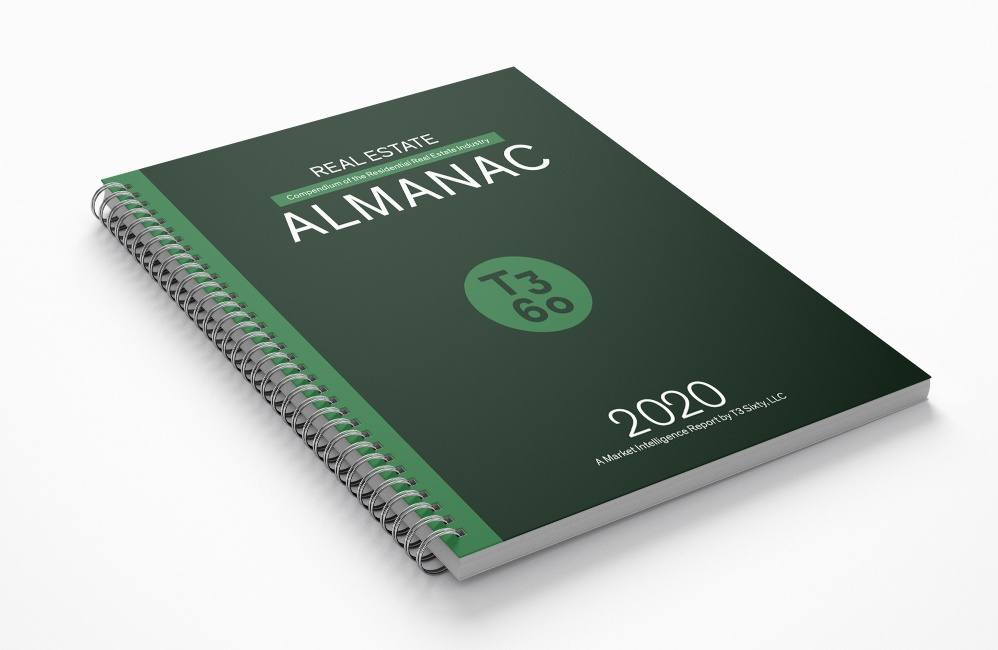
In the highly competitive and rapidly evolving world of residential real estate brokerage, few tools provide the clarity, accuracy, and comprehensiveness that industry leaders require to make informed, high-stakes decisions. Since its debut in 2020, the Real Estate Almanac, produced by T3 Sixty, has become the industry’s definitive benchmarking resource, recognized for identifying which companies and organizations are truly the largest and most influential. It has earned a reputation as the most trusted, data-driven reference in the residential real estate sector.
Many executives keep this expansive, 300-plus-page compendium within arm’s reach, using it regularly as a reference guide to verify statistics and evaluate claims. Since its inception, the Almanac has become an indispensable strategic tool—often referred to as the “bible of real estate executives.”
A Structured, Five-Part Annual Release
The Real Estate Almanac is released annually in five distinct installments between January and May:
- SP 200 (Swanepoel Power 200)– The definitive ranking of the most powerful and influential leaders in residential real estate.
- Corporate Rankings– A comprehensive breakdown of the largest brokerage companies, brands, and enterprises based on annual sales volume, transaction sides, and agent count.
- MLS Rankings– In-depth analysis of the largest and most influential MLS organizations, focused on size, regional coverage, governance, and data services.
- Association Rankings– Objective evaluations of REALTOR® associations at the national, state, and local levels.
- Technology Providers– A categorized directory and performance assessment of the major technology firms serving residential real estate, including CRMs, IDX platforms, transaction management systems, and back-office solutions.
This structured approach enables users to digest large volumes of critical industry data in a format that is both accessible and actionable.
Accurate Rankings Deliver Strategic Intelligence
What sets the Real Estate Almanac apart from other industry publications is not just its scope, but its methodological rigor and unwavering commitment to accuracy. In an environment crowded with promotional content and subjective rankings, the Almanac stands out as a fact-based, independently compiled resource. Its data is sourced from direct submissions, audited reports, verified public disclosures, and extensive cross-checking.
Data from the Almanac is widely used by:
- Brokerage executivesevaluating growth opportunities and market positioning
- MLS leadersconsidering partnerships and governance reform
- REALTOR® associationsassessing resource allocation and member value
- Investors and analyststracking consolidation trends and market dynamics
- Technology companiesbenchmarking product adoption and the competitive landscape
The Driving Force Behind the Almanac
The architect behind the Real Estate Almanac is Stefan Swanepoel, executive chairman of T3 Sixty and one of the industry’s most respected strategic thinkers. With nearly five decades of experience, Swanepoel has built what is arguably the most comprehensive body of residential real estate intelligence available today.
He has served as CEO of more than a dozen organizations, including brokerages, global franchise networks, MLSs, technology firms, and consulting companies. He has authored over 55 books and reports, and his work has fundamentally shaped how leaders across brokerages, associations, MLSs, and proptech companies understand and respond to industry change.
Despite his many roles and contributions, Swanepoel is known as a quiet, behind-the-scenes strategist whose influence is rooted in objectivity and precision. His data-first approach, grounded in deep industry knowledge and years of firsthand analysis, has made him the leading authority on benchmarking in residential real estate. His insights are not based on opinion or trend, but on disciplined research, structural analysis, and perhaps interviewed more real estate CEOs than anyone else in the field.
As Swanepoel often notes, data is only valuable when it is accurate, well-interpreted, and placed in the proper strategic context. “Observe the big picture, understand the facts, and make a difference” remains a guiding principle behind his work.
In an industry where scale, strategy, and influence increasingly shape outcomes, the Real Estate Almanac delivers the intelligence needed to navigate complexity with confidence. Its combination of factual accuracy, structured insight, and independent methodology makes it an essential resource for anyone leading or analyzing the business of real estate.

There comes a point in nearly every property search when the idea of bringing in some extra support stops feeling extravagant and starts sounding entirely reasonable, and that is where the guidance of byron bay buyers agent quietly enters the picture. Buyers often look for someone who understands the local landscape, keeps a level head under pressure, and protects their interests with a steady hand, yet the challenge lies in recognising who truly fits that role. Taking time to ask thoughtful questions becomes an essential step, giving clarity in a market full of polished profiles and big promises. When those early conversations are handled with care, the result is a partnership built on trust, shared focus, and real confidence.
Understanding the Purpose of a Buying Agent
A buying agent is meant to feel like an anchor in a process that can shift quickly. With properties coming and going, open homes filling weekends, and negotiations moving at unpredictable speeds, having a dedicated professional on the buyer’s side brings structure to what can easily become overwhelming. The goal is not to replace a buyer’s judgment, rather to refine it, offering insights that come from experience, market observation, and daily immersion in real estate transactions.
Some buyers want strategic guidance, others need help navigating pricing trends, and many appreciate having someone who filters out unsuitable properties before precious time is wasted. Even when buyers feel confident in their own abilities, the right agent often uncovers opportunities that would otherwise stay hidden.
Why Experience Matters More Than People Realise
Among the many questions buyers ask, the one about experience often holds the greatest weight. A seasoned buying agent reads a market almost the way a sailor reads shifting winds, noticing changes in buyer behaviour, seller motivation, and pricing moments before others catch on. This kind of awareness helps protect buyers from overpaying and guides them toward realistic expectations.
Experience also shapes the way an agent manages challenges. When a seller suddenly changes terms, when multiple offers arrive at once, or when a building inspection uncovers surprises, an experienced agent stays calm, communicates clearly, and adjusts strategies without losing momentum. Every year in the industry becomes another chapter of lessons learned, contacts built, and professional instincts sharpened.
Tracking Their Track Record
A polished website can say almost anything, yet results tell a different story. Understanding how many homes an agent has successfully secured, what price brackets they commonly work within, and how their recent clients describe the partnership reveals far more than a brochure or slideshow.
Track record includes more than just completed purchases. It reflects how well an agent advises clients, whether those clients felt supported, and how consistently the agent negotiated strong outcomes. Patterns begin to appear once a buyer looks closely. Some agents shine in fast, competitive markets. Others excel at off market opportunities. A few specialise in particular suburbs that demand deep knowledge. The more transparent the agent is about their past work, the easier it becomes for a buyer to decide whether that style suits their needs.
Location Knowledge, the Quiet Power Move
Property markets are incredibly local. Streets shift in character within a few blocks, school zones influence prices more than many expect, and future developments can transform an area’s appeal almost overnight. A buying agent who genuinely understands local nuances becomes an advantage that changes everything.
Good agents keep track of which areas are attracting new interest, where long term value is building, and which pockets experience seasonal shifts in demand. They also recognise subtle trends, such as whether a neighbourhood is trending toward younger families, downsizers, or investors. This level of awareness helps buyers select homes that hold value over time rather than trending downward due to overlooked details.
The Power of Industry Contacts
Behind every smooth property purchase sits a network that most buyers never see. Strong relationships with selling agents often mean early alerts about upcoming listings, insights into a seller’s motivation, and invitations to inspect properties before the public enters the competition.
These contacts do not guarantee special treatment, but they do create momentum. When selling agents trust a buying agent’s professionalism and communication style, negotiations tend to progress with fewer surprises. Opportunities appear faster. Buyers reach the right homes sooner. In a fast moving market, even a single day’s advantage can make a real difference.
Transparency About Fees and Structure
Every buying agent brings their own fee structure to the table. Some charge a flat fee, others work with a percentage of the purchase price, and some offer tiered packages depending on the level of service required. What matters most is clarity.
Buyers should understand exactly what they are paying for, how the fee is structured, and whether there are additional costs for inspections, research, or negotiation services. A trustworthy agent never hesitates to outline fees in plain language. That openness lays a foundation of respect long before the search even begins.
Checking for Licensing and Credentials
Licensing requirements vary across regions, yet they play an important role in protecting buyers. A properly licensed agent has completed the necessary training and operates under regulations designed to ensure ethical behaviour. Credentials also provide accountability, something that becomes especially important when financial stakes are high.
Credentials such as membership in professional associations often indicate a commitment to ongoing education, transparency, and industry standards. When choosing an agent, confirming licensing is simply part of doing due diligence.
Asking About Communication Style
Communication shapes the entire buying experience. Some buyers like daily updates, others prefer weekly check-ins. Some want detailed reports, while others only want to know when something important arises. The right buying agent adapts to the buyer’s preference rather than forcing a one size fits all approach.
Asking how the agent prefers to communicate, how often updates are provided, and how quickly they respond to enquiries helps avoid mismatched expectations later on. Clear communication builds trust, and trust makes the journey significantly smoother.
Understanding Their Suburb Specialties
Many buying agents focus on defined areas where they know the streets, property types, and sales history without needing to look anything up. Specialised knowledge becomes a safety net for buyers who are unfamiliar with a suburb or are relocating from elsewhere.
Asking which areas the agent knows best, how long they have worked within those suburbs, and what kinds of buyers they typically assist provides valuable context. A buyer needs an agent who knows the area well enough to spot both opportunities and potential issues long before they appear in a report.
Why References Matter
A reference from a previous client becomes a window into the experience behind the scenes. Buyers learn how the agent communicates during stressful moments, how they handle negotiations, whether they listen carefully, and whether they genuinely act with the client’s best interests in mind.
References are especially useful when the property search takes unexpected turns. Hearing how the agent handled setbacks or sudden shifts in conditions helps buyers understand how adaptable and supportive the agent will be when their own search hits a challenging point.
What to Expect When Signing an Agreement
Once a buyer decides who they want to work with, a buyer’s representation agreement outlines the scope of services, responsibilities, fees, and timeframes. It also clarifies what the agent promises to do, what the buyer must do, and how both parties maintain transparency throughout the relationship.
This document should feel clear, detailed, and fair. Buyers are encouraged to read it carefully, taking the time to understand each section. When something looks confusing, a legal professional can offer guidance, ensuring the agreement supports the buyer’s goals rather than leaving room for misunderstandings.
Building a Partnership That Feels Right
Choosing a buying agent should never feel rushed. It is a decision that shapes the entire property journey. A good agent becomes a guide through market noise, a strategist during negotiations, and a calm voice when the process tests patience.
The right agent listens closely, acts with integrity, and approaches the search with a blend of enthusiasm and discipline. Buyers feel supported rather than pushed, informed rather than overwhelmed, and confident rather than lost in uncertainty.
The process of finding that agent begins with intentional questions, honest conversations, and a willingness to prioritise alignment over pressure. When the selection is done with care, the relationship becomes not only effective but genuinely reassuring.

Securing the exceptional possible pricing in today’s aggressive marketplace is not just about hard negotiations. It calls for a structured technique to dealer engagement, the capability to leverage technology, and techniques that ensure cost advantage past price discount. Businesses that grasp this stability not only reduce prices but also gain a competitive advantage that supports long-term growth.
In this text, we’ll discover actionable methods to obtain price blessings in dealer relationships. From improving technical collaboration to maximizing advisory information and refining fee assessment, each step is designed to help corporations thrive in an increasingly more worrying procurement environment.
1. Enhancing Supplier Collaboration with CAD Drafters
A strong dealer courting frequently starts with clarity in technical requirements. This is where CAD Drafters play an essential role. By providing specific digital blueprints, they assist in ensuring that suppliers completely understand specifications, casting off ambiguity that could lead to inflated pricing or transformation.
When providers receive correct technical records, they can quote more efficiently, lowering unnecessary value buffers. Companies that invest in collaborative drafting additionally gain greater leverage, as providers are more likely to compete for contracts while challenge details are clean and dependable.
Furthermore, CAD-pushed documentation shortens verbal exchange cycles, helping procurement teams make quicker and more confident choices. This degree of precision reduces risks and strengthens agreements between vendors and shoppers, both of which can be crucial for value benefit.
2. Using CAD Drafters to Improve Competitive Bidding
In dealer battles, there are many small side topics. One regularly neglected tactic is the use of CAD Drafters to create a couple of layout iterations that providers can bid against. This exercise not only broadens the range of possibilities but also sparks innovation, as carriers suggest options that may decrease production expenses without compromising exceptional quality.
By equipping procurement groups with accurate and flexible virtual models, groups can invite extra-aggressive bids. Vendors who see clean documentation are much less likely to inflate costs to cover uncertainties, and this transparency often results in sharper pricing strategies.
Ultimately, drafting understanding transforms procurement into a more efficient and competitive environment, without delay impacting back-end-line savings whilst making sure suppliers compete fairly.
3. Leveraging Procurement for Smarter Decisions
While technical readability is vital, strategic perception is similarly vital. This is where procurement consulting offerings end up as a treasured asset. Consultants convey external expertise, benchmarks, and negotiation techniques that inner teams may also lack, allowing agencies to maximise provider performance.
Advisors regularly examine spending information, compare supplier contracts across industries, and identify hidden inefficiencies. This external angle uncovers opportunities to renegotiate phrases, consolidate vendors, or introduce new sourcing models that lessen charges whilst retaining first-class requirements.
By making use of enterprise best practices, consulting companions help procurement teams avoid common pitfalls and focus negotiations on areas that deliver long-term fee, not just short-term cost reductions.
4. Driving Efficiency with Consulting Services
Another gain of procurement consulting services is their capability to streamline approaches and cut down on inefficiencies. Many companies unknowingly lose money through fragmented procurement systems, poorly managed vendor lists, or loss of overall performance monitoring.
Consultants offer established frameworks that enhance visibility across the delivery chain. This makes it simpler to compare suppliers on more than just rate—comparing them instead on reliability, innovation, and long-term fee. Improved evaluation translates to smarter dealer choices and greater leverage in negotiations.
When procurement strategies are optimized in this way, corporations have a sturdy foundation for provider battles. They can negotiate from a position of knowledge, steadily better offers, and create sustainable advantages in aggressive markets.
5. Strengthening Negotiations with Estimating Services
Cost estimation is at the coronary heart of every procurement method. Without correct forecasting, even the fine negotiation tactics may additionally fail. Construction Estimating Services offer certain breakdowns of substances, labor, and mission necessities, giving corporations a clear picture of anticipated fees before approaching providers.
Armed with these records, procurement groups can, with a bit of luck, assign inflated costs and pick out when providers are adding unnecessary margins. This stage of transparency forces vendors to remain competitive, ensuring organizations simply pay honest marketplace charges.
Additionally, accurate estimates save you from cost overruns during execution, in addition to strengthening dealer relationships built on realistic expectations of mutual responsibility
6. Achieving Long-Term Value Through Construction Estimating
While instant financial savings are critical, long-term value is where true cost gain lies. Construction Estimating Services play a prime role right here as well. By forecasting not just in advance fees, but additionally lifecycle charges, those services permit agencies to negotiate deals that keep in mind long-term preservation, durability, and scalability.
For instance, a provider providing a slightly better in-advance can also simply supply beta ter long-term ice if materials last longer or require more frequent alternatives. With dependable estimating, procurement teams can make those differences and avoid shortsighted selections that cause better prices within the destination.
This long-term view transforms negotiations into strategic partnerships in place of one-off battles, fostering stronger supplier relationships and extraordinary financial savings.
Final Thoughts
Winning provider battles and reaching fee blessings requires more than aggressive bargaining. Success lies in blending technical clarity, strategic perception, and accurate forecasting into a unified technique. From leveraging CAD Drafters to ensure precision, to tapping into procurement consulting offerings for strategic steering, utilizing instruction, estimating, and dependable valuation management to mediate savings and long-term value.
In today’s competitive landscape, the groups that win are those that deal with suppliers not simply as providers but as partners in innovation, and with the right techniques, every negotiation will become an opportunity to unencumber cost, beef up consideration, and establish a sustainable edge in the marketplace.
Real Estate
A Comparison Between Professional Cash Home Buyers and Real Estate Agents: Whom Should You Consider?


Both professional cash home buyers and real estate agents have their virtues if you’re considering people to sell to.
Professional home buyers:
- Will purchase your home in its current condition
- Not charge additional commissions
- Will close the deal in a short amount of time
- Ensure reduced fall-through deals
Real estate agents:
- Will encourage you to make necessary repairs before listing your property
- Charge a commission
- Will take time to close the deal
- Ensure that your home is sold and transferred safely to the buyer
So you should consider the above factors before making up your mind.
When it comes to selling your property, you can choose one of the two most commonly available options.
The first is the traditional method, where you can contact a real estate agent and go through all the steps of the sale procedure. The second option is directly selling the property for a cash offer.
This blog will be a comparative reflection on the two methods, and can help you choose the method that suits you best.
Who Are Professional Cash Home Buyers?
How can you quickly sell a house for a lump sum amount of cash? And more importantly, who do you go to for it? The answer to both questions starts with professional cash home buyers.
Now, who are professional cash home buyers? They are individuals or firms that will purchase homes from you outright and offer short closing deals, within one to two weeks.
They are ready to buy properties as-is, which eliminates the need for additional expenses towards repairs. This way, the process can become a more convenient and quicker process for sellers.
You get a cash offer for your home, you sell it, and receive cash in return.
What Do Real Estate Agents Do?
Contrary to professional cash home buyers, real estate agents work in a more traditional process, which is lengthy yet safe.
You will choose a suitable real estate agent and get your home evaluated to receive a listing price. These variations are based on competitive listings and can offer a value closest to the market price.
Real estate agents will also encourage you to make repairs to raise your property’s appeal. They aim to help you attract more buyers and get the best possible value for your home.
They will often market your property on Multiple Listing Services (MLS) and organize open houses. While all of these processes can be time-consuming, they are important to creating buyer interest.
Unlike cash home buyers, realtors will not help you get cash offers on your property, but will ensure a safe and complete transfer of property.
Key Factors of Comparison
In comparing cash home buyers and real estate agents, there are certain key factors to consider. These factors can include how fast the sale process is, what the basic required conditions for your property are, the market valuation received, and the overall process complexity.
There are other factors as well, but concentrating on the chosen aspects can create a suitable outline for the idea.
Sale and Closure Speed
In the case of interactions with professional cash home buyers, the process is very simple and the closure time is minimal. If you are willing to sell immediately, you contact the buyers, and receive a cash offer for your home. The closure process is also quick, taking between 7 to 14 days.
On the other hand, when interacting with realtors, the process is comparatively lengthier. They will offer you a broader exposure and can offer you a larger pool of buyers, but the overall process till closure will take some time.
Required Home Condition for Sale
If you are opting for a cash buyer, your property will be sold in as-is condition, which implies that you need not make an upfront investment in repairs or renovations. It not only saves expenses, but also saves time and is a less stressful process.
However, not needing repairs can imply a lower price for your property as well.
On the other hand, real estate agents want your property to attract buyers, which encourages repairs and renovations.
This leads to your house becoming an attractive prospect in the market, and your chances of receiving the best possible value rise. However, the upfront investment leads to a drop-off from the overall valuation.
Valuation Price
The valuation price of your property will generally be higher when undergoing the entire process with real estate agents in comparison to the sale of your property to cash home buyers.
Since the cash home buyers are purchasing your property without any repairs or reconditioning and are offering a cash offer, they will generally offer a price that is lower than the market value.
However, real estate agents will focus on providing you with the maximum possible value. They will encourage repairs, plan showings, and open houses, all to attract more customers.
Process Complexity
The process in the case of cash home buyers is simpler in comparison to real estate agents. When you opt for cash home buyers, you get quick cash offers, and sell your property as-is.
However, a real estate agent will undergo a more reliable yet complex procedure to make sure that your house is sold at the most suitable valuation. This is why a real estate agent prepares more contingencies.
These contingencies involve preparing the property for home staging, listing and scheduling a final inspection.
Home staging helps you show the potential buyer that your property is worth living in. The listing ensures that the buyer offering the best price is considered, and the final inspection shows the buyer that the property is ready for living.
The closure process also involves the completion of documents and the signing of relevant paperwork. This ensures that all parties involved are on the same page, and the deal can be closed. Overall, this process has some complex moving parts, but is a reliable measure.
However, if you are aiming for an immediate sale, a cash buyer will be the more suitable choice.
Comparative Table: Cash Buyers vs. Real Estate Agents
Here is a comparative table, simplifying the points of difference between cash buyers and real estate agents.
| Factor | Cash Home Buyers | Real Estate Agents |
| Time to Reach Closure | 7–14 days | 30–90+ days |
| Condition Requirement | As-is | Requires repairs/staging |
| Fee Involvement | No commissions | 5–6% commission |
| Pricing and Valuation | Below market value | Market value or higher with negotiation |
| Process Simplicity | Quick and straightforward | Longer, more complex |
| Most Suitable Scenarios | Urgent sales, distressed homes, inherited homes | Standard homes, sellers aiming for max profit |
Wrapping Up
Choosing between Real Estate Agents and Cash Home Buyers? You need to weigh both options. One system is simpler, while the other is more reliable.
If you sell your home quickly, you will get a lump sum cash value, but there can be additional investments and over time costs throughout the process of selling your property with real estate agents.
Make Up Your Mind Between Real Estate Agents and Professional Cash Home Buyers
You need to think whether you need to have an urgent sale, or can you spare the time for appropriate valuation, and do you want to make some upfront investments. Make your choice based on these aspects.

Arizona Broadway Theatre’s Non-Profit Mission: Building Audiences and Artists for the Future

Xaicotum Explained: Uses, Dosage & Health Benefits

Outdoor Pickleball Court Surfaces: 4 Best Options Compared

Taylor Swift’s Producer Hints at New Album Release This Year: TS12, Reputation (Taylor’s Version), and All the Clues
麻 豆 传 媒体: A Comprehensive Insight into the Media Powerhouse
