
Tech
Serpclix vs Serpseo: A Comprehensive SEO Analysis of Features, Performance, Pricing, UX, Support & Future Trends

Introduction to Serpclix vs Serpseo
In today’s fast-changing digital marketing arena, selecting the right SEO tool can make all the difference. This article takes a deep dive into two notable platforms—Serpclix and Serpseo. Both are designed to boost search engine rankings and drive organic traffic, yet they diverge in their features, user interfaces, pricing models, and overall performance.
We begin by exploring the evolution of these tools. Over recent years, SEO strategies have rapidly transformed, demanding tools that not only analyze data but also adapt to ever-changing search engine algorithms. Serpclix and Serpseo reflect this shift; they offer services ranging from click-through rate optimization and keyword tracking to thorough SEO audits.
By breaking the discussion into manageable paragraphs, this introduction lays a clear and accessible foundation. It explains why companies—from fledgling startups to established enterprises—are increasingly turning to these platforms. Whether you’re new to SEO or a seasoned professional, this guide aims to clarify the strengths and limitations of each tool, ensuring you have the insight needed to integrate the right solution into your digital strategy.
Detailed Features and Functionalities in Serpclix vs Serpseo
This section provides an in-depth look at the core features of Serpclix and Serpseo, highlighting how each tool approaches the goal of enhancing online visibility. Serpclix is recognized for its advanced analytics module, which offers detailed tracking of click-through rates, real-time campaign monitoring, and comprehensive reporting. These functionalities enable marketers to quickly gauge campaign performance and adjust strategies as necessary.
In contrast, Serpseo takes a more all-encompassing approach to SEO. It includes tools for extensive keyword research, backlink analysis, on-page optimization, and content auditing. This suite of features is tailored for users who prefer an integrated solution that covers every facet of SEO. Additionally, Serpseo’s user interface is designed to be intuitive for beginners while still offering the advanced capabilities that experienced professionals demand.
The discussion is segmented into clear, concise paragraphs, each dedicated to aspects such as data visualization, custom reporting, and the integration of additional marketing tools. This structure not only enhances readability but also underscores the strategic differences between the platforms, allowing you to determine which tool better meets your specific business objectives.
Performance and Efficiency Analysis in Serpclix vs Serpseo
When choosing between Serpclix and Serpseo, performance and efficiency are key considerations. Serpclix is praised for delivering real-time insights, with rapid data processing that allows for immediate adjustments. Its emphasis on click-through rate optimization means that changes to campaigns are reflected almost instantaneously—an important advantage in fast-paced digital markets.
On the other hand, Serpseo is engineered for consistency and reliability. Although its data refresh may not be as instantaneous, it provides in-depth, accurate reports over time. This makes it particularly valuable for businesses that prefer to analyze trends and base decisions on longer-term performance data. Its detailed metrics cover keyword rankings, traffic sources, and user engagement, offering a comprehensive view of your SEO efforts.
By dividing the content into several shorter paragraphs, this section explains both immediate and sustained performance aspects clearly. Whether your focus is on rapid responsiveness or long-term efficiency, this analysis equips you with the insights needed to choose the tool that aligns best with your marketing strategy and operational requirements.
Comparative Pricing Structures in Serpclix vs Serpseo
Cost is a major factor when evaluating digital marketing tools, and this section offers a comparative look at the pricing structures of Serpclix and Serpseo. Serpclix is known for its flexible pricing options, which can be adjusted based on campaign volume and specific analytics needs. This scalability makes it particularly appealing for startups and small businesses operating on tight budgets.
Conversely, Serpseo adopts an all-inclusive pricing model that bundles a wide range of SEO functionalities. Although its packages may be priced at a premium, they provide a comprehensive solution that covers everything from keyword research to backlink monitoring. In many cases, the long-term value of this integrated approach can outweigh the initial cost, as it eliminates the need for multiple separate tools.
This section is carefully divided into digestible paragraphs to ensure each element of the pricing strategy is clearly explained. It not only covers base subscription fees but also touches on additional costs such as premium features and add-ons. With a focus on return on investment, the analysis helps you understand how each pricing model can influence your overall marketing performance.
User Experience and Interface Design in Serpclix vs Serpseo
A tool’s usability is central to its effectiveness, and this section examines the user experience offered by both Serpclix and Serpseo. Serpclix is designed for simplicity and speed, with an interface that provides quick access to essential metrics. Its modern layout and clear visual cues allow users to interpret data with minimal effort, making it ideal for those who need rapid insights without extensive navigation.
In contrast, Serpseo focuses on delivering a more comprehensive user experience. Its dashboard is organized to present a complete view of SEO metrics, including keyword rankings, site health, and traffic analysis. Accompanied by detailed tutorials and user guides, Serpseo ensures that both novices and experienced marketers can navigate its features efficiently.
This section uses a series of brief, focused paragraphs to break down the analysis into key components such as responsiveness, navigation ease, customization options, and overall accessibility. By comparing user testimonials and expert reviews, it offers a balanced perspective on how each platform supports day-to-day operations and strategic decision-making.
Customer Support and Reputation in Serpclix vs Serpseo
Reliable customer support is essential for any digital tool, and here we explore how Serpclix and Serpseo stack up in this regard. Serpclix has built a strong reputation for its responsive support team, which is available through multiple channels like live chat, email, and comprehensive help centers. This proactive support approach ensures that users can resolve issues quickly and maintain steady progress in their digital campaigns.
On the other hand, Serpseo offers a robust support system that goes beyond addressing technical issues. It provides a wealth of resources including detailed documentation, video tutorials, and active community forums where users can share tips and best practices. This commitment to ongoing support reinforces Serpseo’s reputation as a platform that evolves alongside the latest SEO trends and technological updates.
The analysis is segmented into short paragraphs to maintain clarity, detailing response times, support channels, and overall user satisfaction. By comparing these aspects, this section helps you determine which platform’s support framework aligns best with your operational needs and expectations for long-term success.
Future Prospects and Market Trends for Serpclix vs Serpseo
As digital marketing continues to evolve, investing in a tool that is adaptable to future challenges is crucial. This section examines the forward-looking prospects of Serpclix and Serpseo. Serpclix is actively enhancing its capabilities with advanced analytics and artificial intelligence features, promising to deliver even more precise real-time data insights. This innovative approach positions Serpclix to quickly respond to emerging market trends and changes in search engine algorithms.
Meanwhile, Serpseo is expanding its offerings to include more comprehensive SEO audits, competitive analysis, and predictive trend tracking. By integrating machine learning techniques, Serpseo aims to provide deeper insights into user behavior and market dynamics. This evolution reflects a broader trend in the industry where tools are moving from reactive measures to proactive strategies that anticipate changes rather than merely responding to them.
Dividing the content into clear, concise paragraphs, this section outlines the potential growth paths for both platforms. By understanding these market trends and future developments, you can better align your digital strategy with a tool that not only meets your current needs but also scales with your long-term objectives.
Frequently Asked Questions on Serpclix vs Serpseo
-
What are the key differences between Serpclix and Serpseo?
While both tools aim to enhance online visibility, Serpclix focuses on rapid, real-time analytics and click-through rate optimization. In contrast, Serpseo provides a comprehensive suite of SEO tools that cover keyword research, backlink analysis, and on-page optimization. These distinctions make Serpclix more suitable for marketers who need instant data, whereas Serpseo is ideal for those who prefer a deeper, all-encompassing approach.
-
Which platform is better for small businesses compared to larger enterprises?
Small businesses may appreciate Serpclix for its flexible pricing and real-time insights that help manage immediate campaign adjustments without significant upfront costs. Larger enterprises, however, might benefit more from Serpseo’s extensive features and robust support systems, which cater to complex, long-term SEO strategies and provide integrated analytics across various digital channels.
-
How do these platforms handle real-time data versus historical analysis?
Serpclix is renowned for its real-time data processing capabilities, allowing users to see immediate changes and adjust their campaigns on the fly. Serpseo, on the other hand, emphasizes detailed historical reporting, offering comprehensive analyses of trends over time. This means that while Serpclix excels in instant feedback, Serpseo provides a broader view of performance trends, helping marketers refine long-term strategies.
-
Can these tools integrate with other digital marketing systems?
Both Serpclix and Serpseo are designed to work seamlessly with popular digital marketing platforms. They support integrations with social media channels, content management systems, and various analytics tools, allowing users to consolidate their marketing data. This integration enhances workflow efficiency and helps in creating unified, data-driven marketing campaigns.
-
What type of customer support do users receive from each platform?
Serpclix offers prompt customer support through live chat, email, and comprehensive help centers, ensuring quick resolution of technical issues. In contrast, Serpseo not only provides efficient technical support but also offers strategic guidance through detailed tutorials, documentation, and active user communities. This approach makes Serpseo a supportive option for both beginners and advanced professionals.
-
Are there free trials or demo versions available for these tools?
Both platforms often provide free trials or demo versions to allow potential users to explore their features before committing to a subscription. This trial period is an excellent way for businesses to evaluate which tool aligns better with their digital marketing needs, giving them firsthand experience of the interfaces, functionalities, and overall value.
-
How do the pricing models compare in terms of overall value?
Serpclix offers flexible pricing plans that scale according to campaign volume and specific analytics needs, which can be very cost-effective for smaller organizations. Serpseo’s pricing, while potentially higher, bundles a wide range of functionalities into a single package. The decision largely depends on whether a business prioritizes immediate, real-time insights or seeks a comprehensive, integrated SEO solution.
-
How frequently are these platforms updated to adapt to algorithm changes?
Both platforms are committed to staying current with evolving search engine algorithms. Serpclix frequently updates its real-time analytics and data processing features to respond to immediate market shifts, while Serpseo continuously enhances its feature set to include the latest SEO trends and best practices. Regular updates are critical for maintaining competitive edge and ensuring reliable performance.
-
What additional features might not be immediately obvious from the primary comparisons?
Beyond the core functionalities, both tools offer advanced reporting options, customizable dashboards, and data visualization capabilities that can be tailored to specific business needs. These additional features add significant value by enabling deeper insights and more personalized data analysis, further supporting strategic decision-making in complex digital marketing environments.
-
What factors should a business consider when choosing between these two platforms?
Key considerations include the specific marketing goals, budget constraints, the need for real-time versus long-term data analysis, and the level of customer support required. Businesses should also evaluate how each platform integrates with existing tools and whether the scalability of features aligns with their growth plans. Ultimately, the best choice depends on the unique needs and priorities of your digital strategy.
Conclusion and Informed Decision on Serpclix vs Serpseo
In wrapping up our exploration of Serpclix versus Serpseo, this conclusion brings together the key insights discussed throughout the article. We have examined every critical aspect—from features and performance to pricing, user experience, customer support, and future trends—to provide you with a comprehensive understanding of both platforms.
Serpclix stands out for its real-time analytics, quick responsiveness, and flexible pricing options, making it an excellent choice for businesses that need immediate insights and agile campaign management. On the other hand, Serpseo offers a more integrated approach with thorough SEO audits, extensive keyword research, and a robust support system—ideal for those seeking a long-term, strategic SEO solution.
Presented in clear, easily digestible paragraphs, this conclusion reiterates the importance of aligning your choice with your specific business needs, budget, and overall digital strategy. The decision between these two platforms should be guided by whether your priority is speed and adaptability or comprehensive, in-depth analytics and support. Armed with the insights provided in this guide, you can confidently choose the tool that will best drive your digital success in an increasingly competitive online environment.
Also Read:


Education is, fundamentally, an act of translation. A teacher’s job is to take an abstract concept—a complex chemical bond, a geological formation, or a biological system—and translate it into a language that a student can grasp.
For decades, we relied on two-dimensional tools for this: textbook illustrations, whiteboard diagrams, and projector slides. While effective, these tools lack dimension. A student looking at a cross-section of a human heart on a flat page has to perform mental gymnastics to visualize how the ventricles and atria actually wrap around each other in three-dimensional space.
The introduction of the 3d printer into schools over the last decade was a massive leap forward. Suddenly, students could hold the data in their hands. Kinesthetic learners, who struggle with abstract lectures, could touch and manipulate the geometry.
However, the “first wave” of educational printing had a significant limitation: it was monochrome. A human heart printed in solid grey plastic is certainly better than a drawing, but it is still a “grey blob.” The student still has to memorize which tube is the aorta and which is the vena cava. By upgrading to the new generation of multi-filament technology, educators are removing this final barrier, turning physical models into intuitive, self-explanatory learning aids.
The Cognitive Load of Monochrome
In pedagogy, we talk a lot about “cognitive load”—the amount of working memory resources used to process information. If a student spends 50% of their mental energy just trying to figure out what they are looking at, they have less energy left to understand how it works.
A single-color 3D print often has high cognitive load. Imagine a printed model of a car engine block. In a single color, the pistons, the valves, and the casing all blend together. The student has to squint at the texture to differentiate the parts.
A multi color 3d printer solves this instantly through visual segregation. By printing the engine block in clear or grey, the pistons in metallic silver, and the valves in red, the function of the machine becomes obvious. The eye is guided immediately to the moving parts. The cognitive load drops, and the “Aha!” moment happens faster. The color isn’t decoration; it is instructional scaffolding.
The “Killer App”: Biology and Anatomy
Nowhere is this more critical than in the biology lab. Organic structures are messy. They don’t have straight lines or clear labels.
Consider the standard CPK coloring convention in chemistry, or the anatomical standards in medicine. We are trained to associate Red with oxygenated blood (arteries), Blue with deoxygenated blood (veins), Yellow with nerves, and White with bone or cartilage.
With a multi-material printer, a teacher can produce an anatomical model that adheres to these standards directly off the build plate. A printed kidney section can show the renal pyramids in pink and the collecting ducts in white. A skull model can highlight the different cranial plates in contrasting pastel colors, making the suture lines distinct.
For a medical student or a high school biology student, this is transformative. They aren’t just holding a plastic shape; they are holding a coded data set. They can trace the path of a nerve (yellow) through the foramen of a bone (white) without needing a reference key.
Geography and Topography
The utility extends to the earth sciences as well. Topographic maps are notoriously difficult for younger students to interpret. Understanding that a series of concentric lines on a map represents a steep hill is an abstract skill.
3D printing that data makes it physical. But printing it in multi-color makes it readable. A geography teacher can print a terrain model where the water level is Blue, the lowlands are Green, the mid-elevation is Brown, and the mountain peaks are White.
Suddenly, the concept of “sea level” and “elevation” is visible. Students can see the snow line. They can see how the green valley flows into the blue lake. This application is also vital for explaining geological strata. A core sample printed with distinct layers of color representing limestone, shale, and sandstone allows students to visualize the age of the earth in a way that a black-and-white diagram never could.
The Student as Creator
The benefits aren’t limited to the models the teachers make; they apply to what the students create themselves. Modern STEM education emphasizes “Design Thinking”—the process of empathy, definition, ideation, prototyping, and testing.
When students are tasked with designing a product—say, a custom game controller housing—giving them access to color adds a layer of professional design constraint. They have to decide: Which parts of this object are for gripping? Which are for display? How do I use color to tell the user how to hold it?
This forces them to think like industrial designers. They aren’t just making a shape; they are communicating intent. A student who prints a tool with a “Safety Orange” handle and a “Grey” body is demonstrating a higher level of understanding than a student who prints the whole thing in blue because that was the spool loaded in the machine.
Conclusion: From Novelty to Necessity
For a long time, 3D printers in schools were treated as novelties—machines that sat in the corner of the library printing keychains and Yoda heads. As the novelty wears off, we are focusing on utility.
We know that physical models improve learning outcomes. We know that color coding improves data retention. Combining these two facts makes the argument for multi-material printing undeniable. It bridges the gap between the digital perfection of a CAD file and the physical reality of the classroom.
By embracing this technology, we aren’t just making “prettier” models. We are giving students a clearer, brighter, and more understandable window into the complexities of the world around them. In the fight for student engagement and understanding, color is one of the most powerful tools we have.

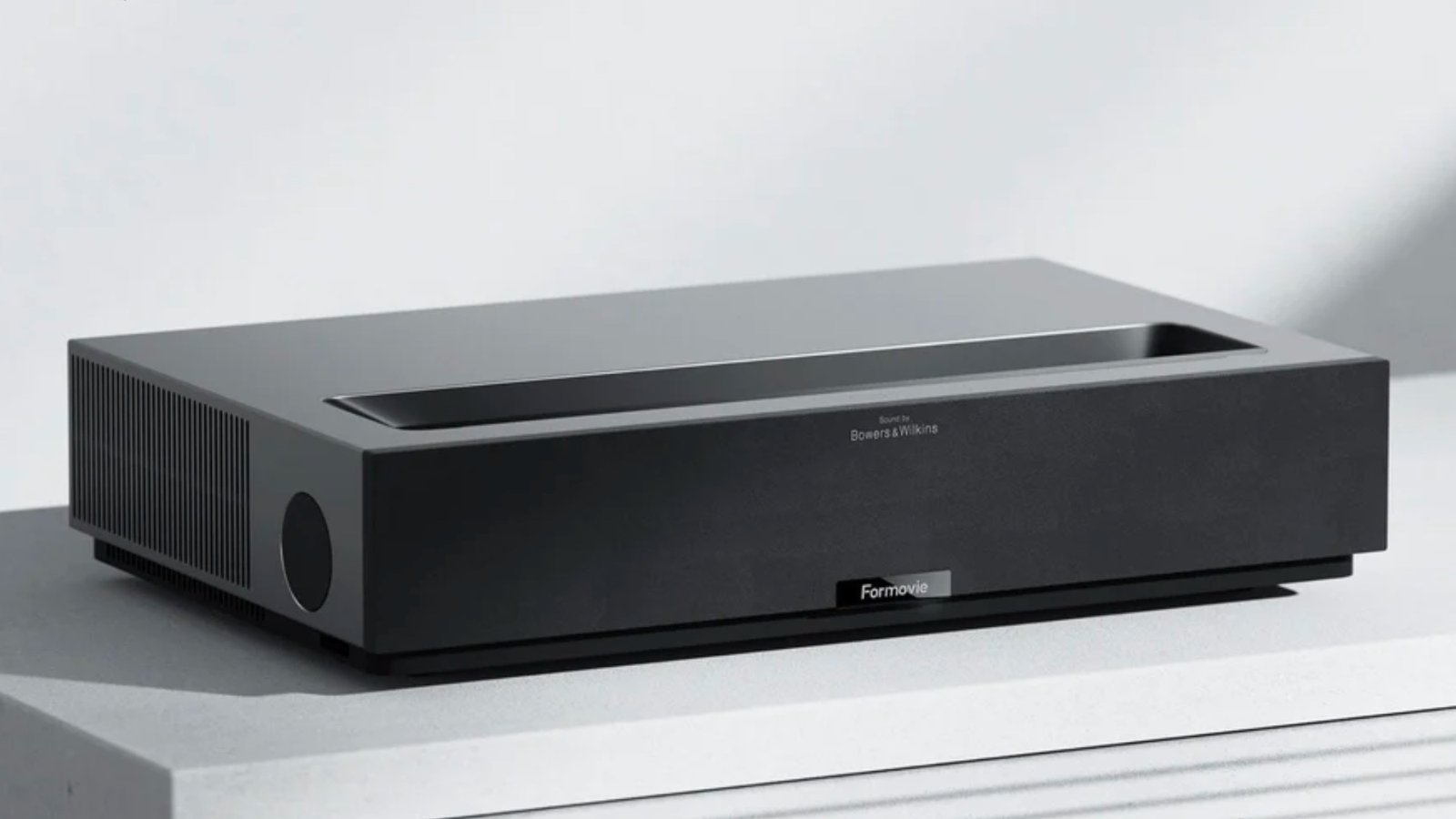
For years, there has been a strict divide in the world of display technology. If you wanted immersion and cinematic storytelling, you bought a projector. If you wanted twitch reflexes, competitive framerates, and low latency, you bought a monitor or a high-end gaming TV.
Gamers have historically steered clear of projectors, and for good reason. In the past, connecting a console to a projector was a recipe for frustration. The input lag (the delay between pressing a button and seeing the action on screen) was often upwards of 100 milliseconds—an eternity in a First-Person Shooter (FPS) where reaction times are measured in frames. The images were often washed out, and the refresh rates were sluggish, leading to motion blur that could induce nausea during fast camera pans.
However, the arrival of laser technology has fundamentally altered this landscape. The latest generation of Ultra-Short-Throw (UST) units has bridged the gap, offering specs that don’t just rival gaming TVs but offer an experience that no 65-inch panel can touch. It is time to reconsider the projector as a legitimate weapon in a gamer’s arsenal.
The Latency Myth: Breaking the 15ms Barrier
The single most important metric for any gamer is input lag. In the competitive scene—think Call of Duty, Fortnite, or Valorant—milliseconds matter. A delay means you are dead before you even see the enemy shoot.
Traditional lamp projectors were slow because of the complex image processing required to throw an image across a room. Today’s premium laser units have optimized “Game Modes” that strip away unnecessary post-processing to prioritize speed. We are now seeing laser projectors capable of delivering input lag as low as 8ms at 1080p 120Hz, and sub-15ms at 4K 60Hz.
To put that in perspective, most casual console gamers playing on a standard living room TV are experiencing between 15ms and 30ms of lag. Laser projection has effectively caught up. The button-to-pixel response is now instantaneous enough for everything from rhythm games to fighting games, where frame-perfect timing is essential.
Immersion: The Tactical Advantage of Size
While monitors offer speed, they lack scale. Moving from a 27-inch monitor or a 55-inch TV to a 120-inch or 150-inch projection screen is not just an aesthetic upgrade; it changes how you process the game environment.
In an FPS or an open-world RPG, a massive screen fills your peripheral vision. This creates a sense of presence that VR headsets attempt to simulate, but without the bulky headgear. On a 150-inch screen, distant sniper targets that would be a few pixels wide on a TV become clearly defined objects. You can spot movement on the horizon easier simply because the visual data is physically larger.
Furthermore, a 4k laser projector delivers this size without sacrificing resolution. With next-gen consoles like the PS5 and Xbox Series X pushing native 4K textures, you need a display large enough to actually appreciate the detail. On a small screen, the intricate design of a character’s armor or the texture of distant terrain is lost; on a laser setup, it is rendered in stunning clarity.
The Return of Couch Multiplayer
One of the sadder trends in modern gaming has been the death of split-screen multiplayer. As games became graphically demanding, developers dropped local co-op. But even when games do support it (like Mario Kart or Halo), playing on a split 55-inch TV is miserable. Each player ends up squinting at a tiny quadrant of the screen.
Laser projection revives the golden era of local multiplayer. If you split a 150-inch screen into four quadrants for a Mario Kart tournament, each player gets a 75-inch diagonal display. That is larger than most people’s main TV. This scale transforms social gaming, making it viable to host LAN-party-style events in a single living room without everyone needing their own monitor.
What to Look for in a Gaming Projector
If you are ready to make the switch, you need to look beyond the basic “movie” specs. When you go to shop movie projectors, you typically look for color accuracy and contrast. For a gaming rig, you need to check for three specific features:
- Auto Low Latency Mode (ALLM): This feature, part of the HDMI 2.1 standard, allows your console to automatically tell the projector to switch into “Game Mode” the moment you launch a game. This ensures you never accidentally play with movie processing settings turned on.
- High Refresh Rates (120Hz support): While 60Hz is standard, the ability to accept a 120Hz signal (even at 1080p) is a game-changer for fluidity. It makes camera movement look buttery smooth and reduces motion blur significantly.
- MEMC Technology: Motion Estimation, Motion Compensation helps smooth out video, but for gaming, you often want the ability to turn this off or have it optimized for gaming to prevent the “soap opera effect” from interfering with gameplay precision.
The Verdict
For the professional e-sports athlete whose career depends on a 360Hz refresh rate, a desktop monitor remains the king. But for the 99% of gamers who want to be transported into the worlds of Cyberpunk 2077, Elden Ring, or Zelda, size is the ultimate immersion multiplier.
Laser projectors have finally shed the sluggish performance of their ancestors. They offer the speed required to compete and the scale required to be amazed, proving that the best window into the metaverse might just be your own living room wall.

Technology should make life easier—not more confusing. Yet for many seniors, modern software feels like a maze of updates, passwords, and hidden settings. The good news is that many developers now design software specifically for simplicity, accessibility, and peace of mind. Choosing the right tools can open doors to communication, entertainment, health, and independence—all without frustration. This guide explores the most intuitive software for seniors, highlighting ease of use, clarity, and built-in support.
1. Communication Made Simple: Staying Connected Without Confusion
Staying in touch with family and friends is a top priority for older adults, but complex apps and frequent redesigns often make it difficult.
Best Options:
- Skype and Zoom: These remain two of the easiest video call tools thanks to one-click join links and built-in accessibility features like captioning and screen magnification.
- GrandPad: A tablet and app system made for seniors—large icons, no passwords, and 24/7 live support.
- Jitterbug Smart4: This phone features voice navigation, a simplified interface, and a dedicated customer care line.
Tips for Success:
- Enable auto-login and contact shortcuts.
- Use voice commands to call or message without typing.
- For hard-of-hearing users, enable live captions in call settings.
2. Health and Wellness Apps That Don’t Overwhelm
Monitoring health shouldn’t require navigating endless menus. Modern senior health apps offer automation and visual clarity.
Top Picks:
- MyChart: Easy access to doctors, prescriptions, and lab results—no jargon, just straightforward buttons.
- Pill Reminder Pro: Provides large-font alerts and photo-based pill identification.
- Apple Health & Fall Detection (on iPhone): Automatically tracks steps, heart rate, and safety incidents, alerting contacts if a fall is detected.
Checklist for Ease:
- Choose apps with single-screen dashboards.
- Verify compatibility with smart devices (Apple Watch, Fitbit).
- Turn on auto-notifications for upcoming appointments or medications.
3. Entertainment Without Tech Stress
Streaming music or watching movies should feel like flipping a channel—not decoding a menu.
Best Tools:
- Netflix and YouTube (TV mode): Both provide straightforward menus, large icons, and voice search.
- Spotify “Car Mode” (available in app settings) offers oversized controls and minimal menus.
- Audible: Ideal for book lovers who prefer listening over reading.
Smart Tip: Use a smart TV remote with voice control or connect a tablet to a TV for bigger text and easy browsing.
4. Security Without the Struggle
Seniors are often targeted by scams, so intuitive security software is essential.
Recommended Solutions:
- Norton 360 Deluxe: Runs quietly in the background with minimal pop-ups.
- Bitdefender: Offers “Autopilot Mode,” automatically handling scans and updates.
- Google Password Manager: Syncs safely across devices with autofill enabled.
Quick Safety Steps:
- Use automatic updates for peace of mind.
- Turn on email phishing protection (available in most browsers).
- Consider biometric logins (face or fingerprint recognition) instead of passwords.
5. Creative Tools for Memory, Cards, and Connection
Seniors often enjoy sharing photos, cards, and memories. The right creative tools make it effortless.
Most User-Friendly Software:
- Google Photos: Automatically backs up images, organizes albums, and suggests collages.
- Hallmark Create & Print: Digital version of classic card-making—large text, drag-and-drop simplicity.
Pro Tip: Look for apps that allow offline access, ensuring seniors can enjoy them even without Wi-Fi.
6. Everyday Utility Tools That Actually Help
From reminders to navigation, these simple apps keep daily life running smoothly.
Helpful Software:
- Magnifying Glass + Flashlight (iOS/Android): Turns a phone into an easy reader for menus or receipts.
- Google Maps “Lite” Mode: Simplifies directions and labels, great for low-vision users.
- Evernote Basic: Lets users record notes or voice memos instead of typing.
Ease Checklist:
- Look for larger font settings.
- Enable voice assistance (Google Assistant, Siri).
- Choose apps with offline support for travel.
💻 FAQ: Choosing and Using Software That Works for Seniors
Choosing the right software for seniors isn’t about getting the newest app—it’s about finding tools that feel clear, predictable, and easy to recover from when something goes wrong. The best options reduce clutter, use readable text, and keep important actions obvious instead of buried in menus. This FAQ focuses on practical questions families and older adults ask most. Use these answers as a quick checklist for choosing tech that supports independence and confidence.
Q1: What makes software “senior-friendly”?
A: Clear text, contrast-friendly colors, one-tap functions, and no hidden menus. Apps that require fewer passwords and provide live help rank highest.
Q2: Are there creative tools for making printable cards or family keepsakes?
A: Yes—Adobe Express offers an easy way to make cards to print for free, perfect for birthdays, holidays, and family messages. Other tools like Hallmark’s printables also work well.
Q3: How can seniors avoid confusion when updating apps?
A: Enable automatic updates in the app store. If unsure, ask a family member or use devices with built-in support such as the GrandPad or Jitterbug.
Q4: What accessibility settings should always be turned on?
A: Text size adjustment, screen reader, color contrast, and voice commands improve usability across all devices.
Q5: Is it safe for seniors to store passwords in their browser or phone?
A: Yes, if they use encrypted managers like Google Password Manager or Apple Keychain, which are far safer than written notes or reused passwords.
Technology should empower, not intimidate. By choosing software built for clarity, seniors can connect, create, and protect themselves without needing constant help. The best programs—whether for video calls, health tracking, or creative fun—share a common trait: they remove barriers between action and satisfaction. In short, good software for seniors isn’t about complexity; it’s about comfort, confidence, and control in the digital world.

When you’re running a business in Seattle, every decision about your property matters. Whether you’re renovating a historic building in Pioneer Square, clearing land for new construction in South Lake Union, or updating an aging retail space in Ballard, commercial demolition is often the necessary first step. Yet for many business owners and property managers, the demolition process feels overwhelming. How do you find a contractor you can trust? What permits do you need? How long will it take, and what will it actually cost?
These questions are completely reasonable, especially in a city like Seattle where regulations are strict, neighborhoods are densely packed, and the weather doesn’t always cooperate. The truth is, commercial demolition is far more complex than simply tearing something down. It requires expertise, planning, precision, and a deep understanding of local codes and environmental considerations. The right demolition partner doesn’t just remove what you don’t need anymore. They set the stage for what comes next, whether that’s a complete rebuild, a tenant improvement, or a land sale.
That’s where working with an experienced local team becomes essential. Prime Demolition has built a reputation in Seattle for handling commercial demolition projects with professionalism and care. From small interior strip-outs to full building teardowns, they understand what it takes to get the job done right while keeping your project on schedule and within budget.
Why Commercial Demolition Matters More Than You Think
Most people think of demolition as the simplest part of any construction project. In reality, it’s one of the most critical phases. Poor demolition work can lead to structural damage, environmental violations, safety hazards, and costly delays. On the other hand, a well-executed demolition clears the path for everything that follows.
Consider a scenario where a property owner in Capitol Hill wants to convert an old warehouse into modern office space. Before any architect or contractor can begin their work, the interior needs to be gutted. That means removing old drywall, pulling out outdated electrical and plumbing systems, cutting through concrete floors, and hauling away tons of debris. If this phase is done carelessly, it can compromise the building’s structural integrity or leave behind hazardous materials that weren’t properly identified or removed.
Commercial demolition also involves navigating a web of permits and inspections. Seattle’s Department of Construction and Inspections has specific requirements depending on the scope of your project, the age of the building, and what materials are involved. Asbestos abatement, for example, is heavily regulated and must be handled by certified professionals. Failure to comply can result in fines, work stoppages, and even legal liability.
This is why experience matters. A demolition contractor who knows Seattle inside and out can anticipate issues before they arise, secure the right permits, coordinate with inspectors, and keep your project moving forward without surprises.
Understanding the Different Types of Commercial Demolition Services
Not all demolition projects are the same. Depending on your goals, you might need a full building teardown, a selective interior demo, or something in between. Here’s what each type of service involves and when you might need it.
Interior Demolition is one of the most common services for businesses undergoing renovations or tenant improvements. This involves stripping out everything inside a building while leaving the exterior structure intact. You might need this if you’re converting a restaurant space into a boutique fitness studio, updating an old office building, or preparing a retail location for a new tenant. Interior demolition requires precision because you’re often working around load-bearing walls, utility lines, and neighboring tenants who are still operating.
Selective Demolition takes a more surgical approach. Instead of removing everything, selective demolition targets specific areas or elements. Maybe you want to remove a section of wall to open up a floor plan, take out an old loading dock, or eliminate a mezzanine level that no longer serves a purpose. This type of work demands careful planning and skilled operators who can remove what you don’t need without damaging what you want to keep.
Full Building Demolition is exactly what it sounds like. When a structure has reached the end of its useful life or when a property owner wants to start fresh, a complete teardown is necessary. This involves bringing in heavy equipment like excavators and bulldozers, carefully dismantling the building from top to bottom, and hauling away all the debris. In Seattle, where redevelopment is happening rapidly in neighborhoods like Fremont and Georgetown, full building demolition is often the first step in transforming underutilized properties into something more valuable.
Site Preparation and Concrete Removal are critical for getting land ready for new construction. After a building comes down, there’s often a significant amount of work left to do. Concrete slabs, foundations, and underground utilities all need to be removed or capped. The site needs to be graded and compacted to create a stable base for whatever comes next. Prime Demolition has the heavy equipment and expertise to handle this phase efficiently, ensuring your site is ready for the next contractor to step in without delays.
How Prime Demolition Makes the Process Straightforward
One of the biggest concerns business owners have about demolition is the fear of the unknown. Will the project take longer than expected? Will costs spiral out of control? Will there be unexpected complications that derail everything?
Prime Demolition addresses these concerns by taking a clear, methodical approach to every project. It starts with an on-site assessment. They visit your property, evaluate the scope of work, identify potential challenges, and provide a detailed estimate. This isn’t a vague ballpark figure. It’s a comprehensive breakdown of what the project involves, how long it will take, and what it will cost.
Once you decide to move forward, they handle the permitting process. In Seattle, this can be one of the most frustrating parts of any construction project. But when you work with a contractor who knows the local requirements and has established relationships with city officials, the process becomes much smoother. Prime Demolition takes care of the paperwork, coordinates inspections, and ensures compliance with all regulations so you don’t have to.
During the actual demolition, communication is key. You’ll know what’s happening every step of the way. If an issue arises, like the discovery of unexpected hazardous materials or a structural concern, they’ll alert you immediately and propose a solution. This level of transparency builds trust and keeps projects on track.
Safety is also a top priority. Commercial demolition involves heavy machinery, falling debris, and potential exposure to hazardous materials. Prime Demolition follows strict safety protocols to protect their crew, your property, and anyone nearby. They also carry comprehensive insurance, which gives you peace of mind knowing that you’re protected if something unexpected happens.
The Advantage of Working with a Local Seattle Demolition Company
When you’re planning a commercial demolition project in Seattle, working with a local contractor offers distinct advantages. A company based in Seattle understands the unique challenges of working in this city. They know how to navigate tight downtown streets, deal with unpredictable weather, and work efficiently in neighborhoods where parking and access are limited.
Local contractors also have established relationships with city officials, inspectors, and other trades. This can make a real difference when it comes to getting permits approved quickly or coordinating with utility companies to disconnect services. They’re also more accessible. If you have a question or need to discuss a change, you’re not dealing with a national chain that treats you like a ticket number. You’re working with a team that’s invested in the local community and committed to building a strong reputation here.
Prime Demolition is a Seattle-based company that takes pride in serving local businesses. Whether your project is in the industrial heart of SoDo, the rapidly growing neighborhoods around the University District, or the established commercial corridors of West Seattle, they bring the same level of professionalism and attention to detail.
Real Results You Can Count On
The best way to evaluate any contractor is to look at their track record. Prime Demolition has completed countless commercial demolition projects across Seattle, helping businesses transform outdated properties into valuable assets. They’ve worked with property developers preparing sites for new construction, restaurant owners updating aging spaces for modern concepts, and retail landlords preparing buildings for new tenants.
Their clients consistently highlight a few key strengths. First, they deliver on their promises. When they say a project will be done in two weeks, it gets done in two weeks. When they provide a cost estimate, there are no surprise charges or hidden fees. Second, they’re problem solvers. Every demolition project comes with unexpected challenges, but their experience allows them to adapt quickly and keep things moving. Third, they’re professional and easy to work with. From the initial consultation to the final cleanup, they treat your property and your time with respect.
Common Questions Seattle Business Owners Ask About Commercial Demolition
One question that comes up frequently is how long a typical project takes. The answer depends entirely on the scope of work. A small interior demolition might take just a few days, while a full building teardown could take several weeks. Weather, permit approvals, and the complexity of the structure all play a role. A good contractor will give you a realistic timeline based on your specific situation.
Another common concern is cost. Commercial demolition pricing varies widely depending on the size of the building, the materials involved, access to the site, and disposal fees. Concrete and steel are expensive to remove. Asbestos abatement adds to the cost. The best approach is to get a detailed estimate from a reputable contractor so you know exactly what to expect.
Business owners also wonder about disruption. If you’re operating a business nearby or have tenants in adjacent spaces, you want to minimize noise, dust, and inconvenience. Experienced demolition contractors can work around your schedule, use dust control measures, and communicate with neighbors to reduce impact.
Finally, many people ask about recycling and environmental responsibility. Seattle takes waste management seriously, and so do the best demolition contractors. Materials like metal, wood, and concrete can often be recycled or repurposed rather than dumped in a landfill. This not only reduces environmental impact but can also lower disposal costs.
Taking the Next Step with Confidence
If you’re a business owner or property manager in Seattle facing a demolition project, you don’t have to figure it out alone. The right contractor will guide you through every step, handle the complexities, and deliver results you can count on.
Prime Demolition offers free consultations and project estimates. Whether you’re in the early planning stages or ready to move forward immediately, their team can assess your needs, answer your questions, and provide a clear path forward. Reach out to them today to discuss your commercial demolition project and discover how their experience and commitment to quality can make your next project a success.
Your property has potential. The first step in unlocking it is clearing away what no longer serves you. With the right demolition partner by your side, that step becomes simple, safe, and efficient.

Arizona Broadway Theatre’s Non-Profit Mission: Building Audiences and Artists for the Future

Xaicotum Explained: Uses, Dosage & Health Benefits

Outdoor Pickleball Court Surfaces: 4 Best Options Compared

Taylor Swift’s Producer Hints at New Album Release This Year: TS12, Reputation (Taylor’s Version), and All the Clues
麻 豆 传 媒体: A Comprehensive Insight into the Media Powerhouse

Pingback: Erothtos: A Comprehensive Analysis of Its History, Technology, UX, Market Impact, Competitive Edge, and Future Prospects - theusacorner.com