
Health & Fitness
Namaste Instructor: Meaning, Cultural Roots, and Mindful Yoga Practice


Introduction
Namaste Instructor! Have you ever wondered why yoga instructors greet with “Namaste” at the beginning or end of a session? This simple yet profound gesture holds deep meaning, not just within yoga practices but also in Indian culture. If you’re curious about its origins, significance, and how it applies to a yoga instructor’s role, you’re in the right place.
This article will explore the essence of being a “Namaste Instructor” and unravel what makes this greeting more than just a word. We’ll cover its cultural roots, why it’s widely embraced in yoga, and how instructors incorporate its philosophy into their teachings. Whether you’re a yoga enthusiast in the US or UK or someone curious about wellness traditions, this guide promises to give you all the answers in one place.
With thoughtful explanations and insights, you’ll learn how the simple “Namaste” connects instructors and students on a deeper level and encourages mindfulness, respect, and gratitude. Read on to discover everything about the role and significance of a Namaste Instructor.
Understanding the Meaning of Namaste for an Instructor
Namaste is more than just a greeting; it signifies respect, gratitude, and a shared sense of connection. For a yoga instructor, “Namaste” reflects the bond between teacher and student. It embodies a deep-rooted acknowledgment of each other’s soul and the universal connection within humanity. By using this word, an instructor signifies humility and invites a calm and mindful atmosphere into the yoga space.
The word itself is derived from Sanskrit, combining “Namah,” meaning to bow, and “Te,” meaning to you. Together, it translates to “I bow to you.” But for a Namaste instructor, it extends beyond literal meaning. It represents a pledge to guide their students with balance, compassion, and patience.
Understanding this deeper meaning creates a stronger foundation for building trust and respect in the yoga practice. It encourages students to approach their sessions with mindfulness and open hearts, creating a holistic experience.
The Cultural Roots of Namaste in Yoga Instruction
The concept of “Namaste” originates from Indian culture, where it’s a customary salutation during greetings or farewells. Over time, it has transcended its traditional context to find a home in yoga practices across the globe.
For a Namaste instructor, understanding these cultural origins is vital to properly incorporating the term into their teachings. It symbolizes humility and devotion, reflecting yoga’s historical roots in India. By bringing this cultural respect into yoga sessions, instructors honor the practice’s traditions while creating an authentic experience for students.
Today, yoga instructors in the US and UK widely use “Namaste” to deepen the spiritual aspect of their sessions. The gesture of bringing palms together while saying the word further enhances its impact, representing unity and balance. By connecting the physical and cultural practices, a Namaste instructor seamlessly carries forward yoga’s timeless heritage.
How a Namaste Instructor Builds Mindful Connections
One of the key roles of a Namaste instructor is to foster a sense of community and mindfulness within their classes. This begins with the conscious use of the word “Namaste,” creating a bridge of mutual respect between teacher and students.
Through guided meditation, breathing exercises, and mindful practices, instructors encourage students to look inward while honoring the energy of others in the session. Saying “Namaste” at the end of a session can provide closure, leaving participants with a renewed sense of peace and positivity.
For individuals in the US and UK, where yoga is often practiced as a wellness activity, this mindful connection goes a long way. A Namaste instructor not only teaches poses but also cultivates emotional and spiritual balance, heightening the overall experience for participants.
Incorporating Namaste Principles in Yoga Classes
“Namaste” is not limited to a verbal expression. For a Namaste instructor, it serves as a guiding principle that shapes their teaching style and approach. They align their sessions with values of respect, unity, and gratitude, creating a supportive environment for students.
By incorporating mindfulness techniques, mantras, and poses that reflect inner balance, instructors bring the essence of “Namaste” alive in each class. Additionally, discussing its meaning and significance helps students resonate more deeply with the practice.
Namaste instructors in the US and UK often adapt their classes to meet diverse needs while maintaining the core spirituality of yoga. By blending traditional elements with modern sensibilities, they ensure students get a holistic experience that honors ancient wisdom.
Why Namaste Matters Beyond Yoga for an Instructor
While Namaste is deeply linked to yoga practice, its significance extends beyond the studio. For a Namaste instructor, the philosophy of this word influences their broader approach to teaching and everyday interactions.
Saying “Namaste” reminds instructors to lead with compassion and authenticity, making them positive role models for their students. It challenges them to incorporate this mindful attitude into their lives, balancing personal growth with providing guidance to others.
Outside yoga sessions, it empowers instructors to create meaningful connections within their communities. Whether leading a corporate workshop or teaching online classes, a Namaste instructor stands out by weaving respect and mindfulness into every aspect of their work.
How to Embody the Spirit of a Namaste Instructor
Becoming a Namaste instructor goes beyond mastering poses or acing technical skills. It’s about adopting the values behind “Namaste” and letting these guide one’s personal and professional actions.
To embody this spirit, instructors foster compassion, patience, and self-awareness. They create a safe, inclusive space for individuals of all abilities, encouraging participants to honor their own journeys. Additionally, prioritizing continuous learning helps them remain aligned with the evolving needs of their students while staying true to yoga’s roots.
For many in the US and UK, yoga is more than a physical activity; it’s a path to self-discovery. A Namaste instructor plays a vital role in this, providing the guidance and inspiration needed for students to thrive mentally, emotionally, and spiritually.
The Role of Namaste in Modern Yoga Practices
Yoga has evolved significantly over the years, especially in Western countries like the US and UK, where it caters to modern lifestyles. Amidst this evolution, “Namaste” serves as a timeless anchor for authenticity and tradition.
For a Namaste instructor, it’s essential to balance modern influences with the spiritual depth that “Namaste” represents. By emphasizing mindfulness, respect, and cultural appreciation, they ensure classes remain authentic while resonating with contemporary audiences.
This balance between old and new keeps yoga rooted in its essence while allowing it to flourish in global communities. Whether teaching in-person or online, a Namaste instructor reminds students of the timeless values this practice upholds.
Frequently Asked Questions About Namaste Instructor
What Does “Namaste” Truly Mean in the Context of Yoga?
“Namaste” is a Sanskrit term that translates to “I bow to you” or “The divine in me honors the divine in you.” For a yoga instructor, this greeting symbolizes humility, respect, and a spiritual connection with students. By using “Namaste” in yoga classes, instructors set the tone for mindfulness and mutual respect throughout the session.
Is Saying “Namaste” Necessary for Yoga Classes?
While saying “Namaste” isn’t mandatory, it adds a spiritual and cultural depth to the practice. Many instructors in the US and UK use it to honor yoga’s roots and foster mindfulness. However, inclusion of the term depends on the instructor’s preferences and the class’s comfort level.
How Does “Namaste” Enhance the Student-Instructor Relationship?
“Namaste” fosters an environment of openness and trust. When instructors use this greeting, it shows humility and removes hierarchical barriers between them and their students. This word’s deep meaning encourages mutual respect and connection, creating a supportive space for learning and growth.
Can Someone Be a Namaste Instructor Without Following Indian Traditions?
Yes, being a Namaste instructor is less about adhering strictly to Indian customs and more about embodying the core values of respect, mindfulness, and gratitude. Non-Indian instructors often adapt the essence of “Namaste” into their classes while staying respectful of yoga’s cultural roots.
How Can a Namaste Instructor Make Yoga Classes More Inclusive?
A Namaste instructor can ensure inclusivity by creating a welcoming environment where students of all levels and backgrounds feel valued. This involves providing modifications for poses, avoiding cultural appropriation, and encouraging self-paced learning. Discussing the meaning of “Namaste” also helps students connect more deeply with the practice.
Does “Namaste” Have Relevance Outside Yoga?
Yes, “Namaste” holds significance beyond yoga. It’s a universal gesture of respect and acknowledgment. Many instructors integrate its philosophy into their daily lives and interactions, promoting mindfulness and gratitude in personal and professional spaces.
How Is “Namaste” Integrated Into Online Yoga Classes?
Namaste instructors teaching online often include the word in both the opening and closing of sessions. Despite the virtual setup, this gesture helps create an emotional connection with participants. The shared philosophy of “Namaste” can bring a sense of unity and authenticity, even across digital platforms.
Can Western Yoga Practices Truly Honor the Concept of “Namaste”?
Yes, as long as instructors approach the practice with genuine respect and understanding of its origins. A Namaste instructor in the US or UK can uphold this ancient concept by emphasizing mindfulness, teaching its meaning, and staying mindful of yoga’s cultural significance while adapting it to modern sensibilities.
How Can I Become a Genuine Namaste Instructor?
Becoming a Namaste instructor involves mastering yoga techniques while embodying the values of respect, compassion, and mindfulness. Continuous learning, cultural appreciation, and building meaningful connections with students are key steps. By doing so, you can create an authentic practice that truly honors the essence of “Namaste.”
Also Read:

For patients in the United States and Canada, researching medical treatment abroad often begins with a simple question: Could receiving care in another country be more affordable?
The answer may be yes, but the price of a procedure is only one part of the calculation.
A quotation that appears significantly lower than the cost of treatment at home may not include diagnostic tests, medications, rehabilitation, accommodation, additional hospital nights, or follow-up care after the patient returns. At the same time, a higher-priced proposal may include services that reduce uncertainty and improve the overall care experience.
This is why patients should evaluate international treatment as a complete medical journey rather than as a single purchase.
Turkey is one of the destinations frequently researched by North American patients considering dental care, orthopedic surgery, bariatric procedures, cosmetic treatments, hair restoration, eye surgery, and other medical services. Before deciding whether treatment abroad is worthwhile, patients need to compare both the financial and medical aspects of the available options.
Begin With the Correct Diagnosis
A cost comparison is only useful when the patient is comparing the same treatment.
Two hospitals may recommend different procedures based on the same medical records. One physician may suggest surgery, while another may recommend additional testing, medication, rehabilitation, or a less invasive approach.
Before requesting prices, patients should gather information that clearly describes their condition.
This may include:
- Recent medical reports
- Laboratory results
- X-rays, MRI scans, or CT images
- Previous surgery records
- Pathology reports
- Current medications
- Known allergies
- Existing medical conditions
- Details of previous treatments
- A description of current symptoms
Providing complete information helps the reviewing physician determine whether the requested treatment may be appropriate.
Patients should be cautious when a clinic offers a final treatment plan or guarantees eligibility after reviewing only a photograph or a brief online message. A remote review can provide preliminary guidance, but some decisions can only be made after an in-person examination and additional testing.
Compare the Same Procedure and Scope of Care
Treatment names may sound similar while referring to different medical services.
For example, a dental implant quotation may cover only the implant placement, while another may include bone grafting, temporary teeth, crowns, imaging, and follow-up appointments.
A knee replacement proposal may include the hospital stay and implant but exclude rehabilitation. A bariatric surgery package may include the operation but not nutritional follow-up or postoperative blood testing.
Before comparing prices, patients should confirm:
- The exact procedure being recommended
- Whether the treatment includes one or multiple stages
- The number of required visits
- The expected hospital stay
- The type of anesthesia
- The medical device, material, or implant being used
- The number of follow-up appointments
- The expected recovery period
- Whether rehabilitation is included
A lower quotation may simply include fewer services.
Understand the Written Medical Quotation
Patients should request a written, itemized quotation rather than relying on a price provided through a phone call, advertisement, or messaging application.
The quotation should identify the patient, procedure, hospital, physician, and services included.
Depending on the treatment, it may need to include:
- Specialist consultation
- Surgeon and medical team fees
- Hospital charges
- Operating room fees
- Anesthesia
- Medical tests
- Diagnostic imaging
- Pathology services
- Medical devices or implants
- Prescription medications
- Hospital accommodation
- Postoperative examinations
- Physical therapy
- Nutritional support
- Interpreter assistance
- Airport and local transfers
- Medical records in English
Patients should also ask how long the quotation remains valid and what circumstances could change the price.
The final treatment cost may increase if new medical findings appear, the patient requires additional testing, the planned procedure changes, or the hospital stay must be extended.
Identify Costs That Are Not Included
International treatment packages may appear comprehensive but still exclude important expenses.
Possible additional costs include:
- International flights
- Travel insurance
- Hotel accommodation
- Meals
- Transportation outside the package
- Companion expenses
- Visa or document fees
- Additional medical consultations
- Extra laboratory testing
- Additional medications
- Blood products
- Extended hospital stays
- Intensive care
- Emergency treatment
- Additional rehabilitation
- Flight changes
- Longer accommodation after surgery
Patients should create a personal budget that includes both expected and unexpected expenses.
Flexible flights and hotel reservations may cost more initially, but they can reduce financial risk if the physician advises the patient to remain in the country longer than planned.
Look Beyond the Package Price
Airport transfers, hotel accommodation, and personal assistance can make the treatment experience more convenient. However, these services should not distract patients from the medical details.
The most important parts of an international treatment proposal are:
- The qualifications of the physician
- The suitability of the proposed procedure
- The capabilities of the hospital
- The quality and availability of medical equipment
- The approach to complications
- The rehabilitation plan
- The follow-up process
A luxury hotel does not compensate for an unclear surgical plan. Similarly, a low-cost package does not necessarily provide value if the patient must later pay for services that were omitted.
Medical care should be evaluated first. Travel convenience should be evaluated second.
Verify the Physician and Treatment Facility
Patients should know who will provide the treatment before paying a deposit.
Ask for the physician’s:
- Full name
- Medical specialty
- Professional registration
- Experience with the proposed procedure
- Role during each stage of treatment
- Experience managing complications
- Availability after the procedure
Patients should also verify the name and location of the hospital or clinic.
A medical tourism company may coordinate communication and travel, but it may not be the organization providing the medical care. Patients should understand the roles of the coordinator, physician, clinic, and hospital.
For major surgery, important facility questions may include:
- Is emergency care available?
- Is there an intensive care unit?
- Are diagnostic imaging and laboratory services available?
- Can other specialists be consulted?
- Is blood banking available?
- Who monitors patients overnight?
- How are infections and blood clots managed?
- What happens if an additional procedure becomes necessary?
The appropriate facility depends on the complexity of the treatment and the patient’s health risks.
Consider the Cost of Time
Financial comparisons should also include the time required for treatment and recovery.
A procedure abroad may involve:
- Preparing medical records
- Online consultations
- Travel days
- Preoperative examinations
- Hospital admission
- Early recovery near the hospital
- Postoperative appointments
- Delayed return to work
- Rehabilitation after returning home
Patients should calculate potential lost income, vacation days, childcare, companion availability, and changes to daily responsibilities.
Someone who saves money on the procedure may still face significant indirect costs if the recovery period is longer than expected.
Patients should ask the treating physician for a realistic recovery timeline rather than relying only on marketing materials or patient testimonials.
Plan for Complications
Every medical procedure carries risk, whether it is performed at home or abroad.
Possible complications depend on the treatment but may include infection, bleeding, blood clots, medication reactions, wound problems, implant complications, delayed healing, pain, or the need for additional procedures.
Before traveling, patients should ask:
- What are the most relevant risks in my case?
- How are complications treated?
- Who pays for unexpected medical care?
- Is additional hospitalization covered?
- What happens if I cannot fly home as planned?
- Is revision treatment included?
- Who should I contact after returning home?
- Will the physician communicate with my local doctor?
Patients should avoid providers that guarantee results or claim that a procedure has no risk.
Realistic risk communication is an important sign of professional medical care.
Review Insurance and Payment Conditions
Patients from the United States and Canada should contact their insurer before booking treatment.
Some insurance policies may provide no coverage for planned medical care abroad. Others may require prior authorization, detailed medical records, or proof that the treatment was medically necessary.
Patients should ask their insurer:
- Is planned international treatment covered?
- Is preauthorization required?
- Are diagnostic tests covered?
- Is postoperative care at home covered?
- Are complications covered?
- Is emergency evacuation included?
- What documents are needed for reimbursement?
Medical travel insurance may also have exclusions for elective or planned procedures. Policies should be reviewed carefully before purchase.
Patients should understand the clinic’s payment terms as well.
Questions may include:
- How much is required as a deposit?
- When is the remaining balance due?
- Which payment methods are accepted?
- In which currency will payment be made?
- Are card fees or bank charges added?
- What is the cancellation policy?
- What happens if the physician does not approve the procedure?
- Is the deposit refundable if travel becomes impossible?
Payment conditions should be provided in writing.
Include Recovery and Follow-Up Costs
The initial procedure may represent only part of the total medical expense.
After returning home, patients may require:
- Physician appointments
- Physical therapy
- Laboratory tests
- Imaging
- Medication
- Nutritional support
- Wound care
- Dental adjustments
- Rehabilitation equipment
- Additional time away from work
Patients should speak with a local healthcare professional before traveling and determine whether follow-up care will be available.
Some physicians may be unwilling to manage complications from a procedure performed abroad, particularly when complete records are unavailable. This possibility should be investigated in advance.
Patients should request the following documents before leaving the treating country:
- Operative or procedure report
- Discharge summary
- Medication list
- Test results
- Imaging files
- Implant information
- Pathology reports
- Rehabilitation instructions
- Follow-up schedule
- Emergency contact details
These records should preferably be provided in English.
Do Not Ignore Travel-Related Costs and Risks
Medical travel introduces issues that do not exist when treatment is received close to home.
Patients may need to consider:
- Long-distance flights
- Airport mobility
- Travel after anesthesia
- Risk of blood clots
- Carrying medications across borders
- Accessible accommodation
- Dietary needs
- Language support
- Transportation to follow-up appointments
- The need for a companion
Patients should ask the treating physician when it will be medically appropriate to fly.
The least expensive return ticket may not match the safest recovery schedule. Booking a flight too soon after surgery can create unnecessary medical and financial risk.
Use a Structured Comparison Process
Comparing hospitals can become difficult when each provider uses different terminology and includes different services.
Patients can create a comparison table with categories such as:
- Proposed procedure
- Physician
- Hospital
- Medical tests
- Implant or material
- Hospital stay
- Medication
- Rehabilitation
- Accommodation
- Transfers
- Follow-up
- Excluded expenses
- Cancellation terms
- Total estimated cost
An international healthcare platform such as HealthNode may help patients organize their medical request, prepare relevant documents, and understand the information needed to compare international treatment proposals.
A coordination service should not replace a physician or make the final medical decision. Its purpose should be to make the planning process clearer and help patients communicate with appropriate medical providers.
A Practical Cost-and-Care Checklist
Before deciding whether international treatment is worthwhile, patients should be able to answer the following questions:
Medical suitability
- Is the diagnosis confirmed?
- Has a qualified specialist reviewed the case?
- Is the proposed treatment appropriate?
- Have alternatives been discussed?
- Is an in-person examination required before final approval?
Physician and hospital
- Who will perform the treatment?
- What are the physician’s credentials?
- Where will the procedure take place?
- Does the facility have the required medical resources?
- How are emergencies managed?
Financial planning
- Is the quotation written and itemized?
- What is included?
- What is excluded?
- What could increase the final price?
- What are the payment and cancellation terms?
Travel planning
- How long should the patient remain in the country?
- Is a companion required?
- When is it safe to fly?
- Is accommodation appropriate for recovery?
- Are flexible travel arrangements available?
Follow-up care
- What care will be needed after returning home?
- Is a local physician available?
- Will complete medical records be provided?
- Are remote consultations available?
- Who handles complications after departure?
If important questions remain unanswered, the patient may not yet have enough information to make a safe decision.
When Is Medical Treatment Abroad Worth Considering?
Treatment abroad may be worth considering when:
- The patient has a clear diagnosis
- The proposed procedure is medically appropriate
- The physician and hospital can be verified
- The complete cost is understood
- The potential savings remain meaningful after travel expenses
- The patient has enough time for safe recovery
- Follow-up care is arranged
- Risks and alternatives have been clearly explained
It may be less appropriate when:
- The diagnosis is uncertain
- The treatment is being recommended without adequate records
- The provider guarantees results
- The physician is not identified
- The quotation is unclear
- The patient is pressured to pay immediately
- No complication plan is available
- Follow-up care cannot be arranged
- The travel schedule is medically unrealistic
The decision should be based on the complete care process rather than the advertised procedure price.
Make the Comparison About Value, Not Just Cost
Medical treatment abroad can sometimes offer financial advantages for patients from the United States and Canada. However, lower cost does not automatically mean better value.
True value includes:
- Appropriate medical treatment
- A qualified physician
- A suitable hospital
- Transparent pricing
- Safe travel planning
- Adequate recovery time
- Clear medical documentation
- Reliable follow-up care
Patients considering overseas care can request an international treatment review to organize their medical information and better understand the treatment, timing, and cost questions that should be addressed before travel.
The most useful question is not simply, “How much does the procedure cost?”
It is, “What will the complete treatment journey require, and am I medically, financially, and practically prepared for it?”
When patients evaluate both cost and care, they are better positioned to decide whether receiving medical treatment abroad is truly worthwhile.
This article is provided for general informational purposes only and does not constitute medical advice, diagnosis, or treatment. Patients should consult qualified healthcare professionals regarding their individual medical needs and travel plans.


Incorporating injury-prevention and rehabilitation strategies into your exercise routine helps you maintain an active lifestyle. An injury can result from overexertion and muscle imbalances, and typically requires attention to heal fully. A personal trainer provides support and guidance to help prevent injuries and assists in the recovery process. Here are some of the roles of trainers in injury prevention and rehabilitation.
Educate on Proper Techniques
As you work with a trainer, you get to learn the proper methods to perform exercises that help prevent injury. You are likely to learn from a trainer about correct form and an appropriate resting period between workouts. Bootcamp classes allow you to learn proper techniques and how to use gym equipment safely.
A private studio is efficient if you have specific goals or are recovering from an injury. You can join membership classes that cater to your needs, and the trainer can focus on you individually. Your trainer can also monitor your progress closely and adjust the exercises as you progress.
Design Personalized Recovery Plans
Every injury should be treated differently based on its severity and the individual’s fitness level. Whether you are facing joint pain or muscle strain, a trainer designs recovery plans to help rebuild strength. Your personal trainer creates workout programs effective for your specific injury.
In your personalized recovery plan, your trainer incorporates exercises to strengthen the injured area and surrounding muscles. They may suggest modifications or alternatives to specific movements to avoid aggravating the injury. It is key to adhere to the recovery plan and listen to your trainer’s guidance for you to achieve optimal results.
Collaborate with Healthcare Professionals
Maintaining an active lifestyle while recovering from an injury involves working closely with healthcare professionals. When you face an injury, you should consult with a medical professional to develop an effective treatment plan. Your trainer collaborates with your healthcare provider to create an exercise program that complements any prescribed treatments or medications.
The exercise program is modified depending on your improvement in your treatment plan as your body recovers. They also factor in any limitations or restrictions that you might be having as a result of your injury, as well as your comfort level. Inform your medical professional and instructor of the changes that you might experience during your exercise.
Enhance Mobility
Improving mobility is a key part of injury recovery, alongside rebuilding strength. Injuries may cause stiffness and decrease your range of motion, making ordinary tasks difficult. A trainer takes you through small steps that help you regain comfortable movement and be full-body.
One of the primary ways to enhance mobility is to stretch. It helps relax tight muscles and keep the injured area flexible. Trainers choose non-invasive stretches that align with your condition and the areas that restrict your movements. They also incorporate resistance exercises to aid stability and help the injured area work safely as it heals.
Find a Personal Trainer
Collaborating with a personal trainer supports monitored and personalized exercise programs. They can work with you to create a workout routine that helps you achieve your fitness goals while preventing further injury. Contact a trainer today to prevent injuries before they happen, or to help you safely recover from an injury.
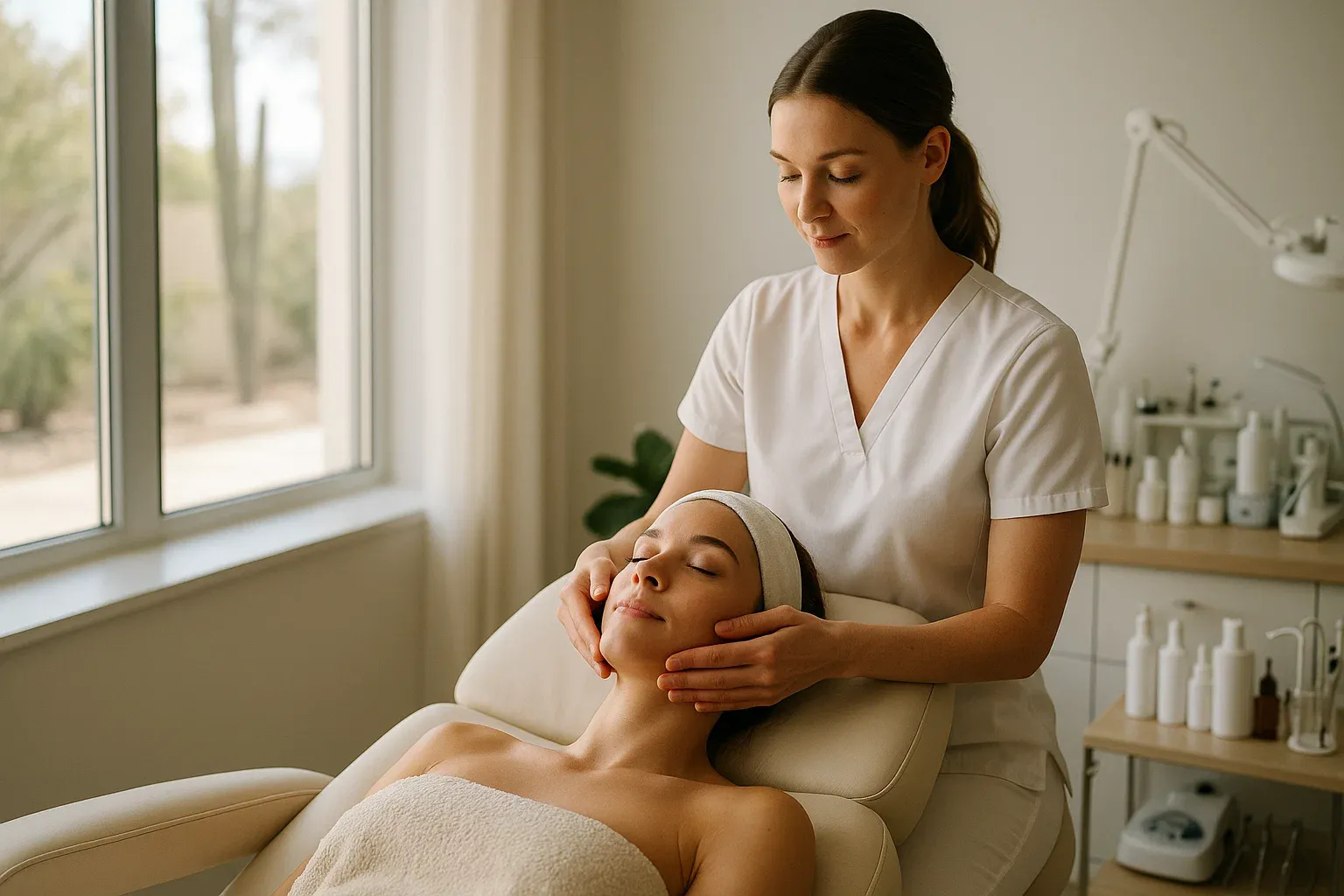
The youthful, radiant skin is a goal that is common to many populations, and the use of the med spa treatments is becoming one of the most reliable methods of rejuvenating the skin in Tucson without undergoing the surgical procedure or spending time recovering. It has never been harder to find products that address the issue of aging, enhance your luminousness, and improve your overall skin with the help of the evolving and sophisticated aesthetic technology and the customized skincare strategies.
In case you are looking to find med spa services in Tucson, it is possible to identify the most effective ones and select the treatments that can fit your purposes.
The dry desert climate of Tucson tends to add to the increased rates of ageing signs, including fine lines, dryness, hyperpigmented areas and changes in the texture. Luxury med spa services aim at restoring the skin, skin tone, and natural rejuvenation and making sure that you look fresh and younger all year long.
Why Med Spa Services Are Popular for Anti-Aging
In contrast to the old-fashioned spa treatment in which the primary concern is relaxation, med spa services combine both medical knowledge and the use of the latest technology in skincare. The combination offers more robust and prolonged effects on multiple concerns of the skin. Individuals interested in finding anti-ageing products go to med spas since such procedures are the least invasive and they show visible results.
In the range of injectables to facials, the med spa treatments provide lines, wrinkles, dullness, dehydration, and loss of elasticity solutions. You can find something to suit your budget, either a subtle enhancement of your look or a more dramatic rejuvenation.
Top Med Spa Services in Tucson for a Youthful Look
Among the most effective treatments for the skin in firming, smoothing, and refreshing are the following treatments. These are compatible with what any established med spa in Tucson, which also provides services comparable to ReKindle, normally offers.
1. Custom Facials
The best way of keeping the skin young is by having a custom facial. Rather than being consistently one-fit, the facial is customized to your skin type, issues and objectives. Custom facials can target:
- Fine lines
- Dullness
- Dryness
- Uneven tone
- Sensitivity
The facial treatment generally involves washing, peeling, moisturizing, and applying special serums. The outcome is smoother, lighter and healthier-looking. Early aging can also be avoided by getting regular custom facials.
2. Dermal Fillers
Dermal fillers are also quite a favourite in terms of restoring youthful volume and the treatment of wrinkles. They have the capacity to augment facial lines, to fill up fine lines and to produce a natura,l rejuvenated look.
The typical locations that receive fillers are:
- Cheeks
- Lips
- Nasolabial folds
- Jawline
Fillers offer immediate effects and do not demand a lot of time, hence they are recommended to individuals who want immediate gains.
3. Injectable Wrinkle Relaxers
Wrinkle relaxers are used to soften the fine lines and prevent deep wrinkles. They are injectables that would address dynamic wrinkles- creases brought about by the repeated movements of the face, like smiling or frowning.
They are effective specifically on:
- Forehead lines
- Crow’s feet
- Frown lines
The results are normally long-lasting for several months, and frequent maintenance is used to ensure that the skin appears smooth and young.
4. IV Therapy
The arid climate in Tucson has the potential to cause skin drought and drowsiness. IV therapy is also a good method of replacing the necessary elements and helping the skin internally. Improvement can be achieved by the use of nutrient-rich IV drips:
- Hydration
- Energy
- Immune support
- Skin radiance
IV therapy is quick, and there are instant results by delivering vitamins and minerals straight into the bloodstream.
5. Weight Loss Support Treatments
Med Spas also have medically-prescribed weight-loss plans, which allow one to become healthier and more youthful in general. Such programs can involve nutritional advice and assistance in wellness so that the clients achieve their objectives in a secure and beneficial manner.
Maintaining a healthy weight and achieving it can help to:
- Improved facial contours
- Healthier-looking skin
- Increased energy levels
This wellness philosophy makes one look and feel better.
How to Choose the Best Med Spa Services in Tucson
Identifying the provider of the med spa services in Tucson is a crucial step to the successful and safe outcomes. The following constitute some of the important considerations:
Credentials & Licensing
Select a med spa that will be managed by certified medical professionals who have experience in the field of aesthetic treatment.
Treatment Options
Find a center that provides the particular service you require- facials, fillers, injectables or IV treatment.
Hygienic, Clean Workplace.
A well-known med spa is concerned about hygiene, safety and quality equipment.
Personalized Consultations
An excellent med spa will examine your skin, objectives, and medical history and then advise on treatments.
Natural-Looking Results
The finest aesthetic providers are the ones who make improvements to your features, not to make any radical changes.
How Often Should You Get Med Spa Treatments?
Depending on the treatment, the optimal frequency is:
Custom facials: Every 4–6 weeks
Injectables: Every 3–4 months
Fillers: Once or twice in a year.
IV therapy: One to two goals per week or month.
Your provider may assist in developing a unique plan which helps to achieve long-term outcomes.
Are Med Spa Services Safe?
Yes, when done by certified, certified professionals. The med spa services are based on science and medical treatments. Remember to ask the provider to use products that have FDA approval, as well as employ high safety standards.
Final Thoughts
In case you intend to attain smoother, more radiant and younger skin, it is a great idea to be acquainted with the best med spa services Tucson has to offer. These treatments, be it custom facials, injectables, and IV therapy, aid in restoring hydration, firmness, and brightness with long-lasting results.
Tucson and the surrounding areas have many patients who prefer Tucson med spa services, such as ReKindle Beauty & Aesthetics, that offer them the personalization of services and care and use professional-grade treatments. Every service at ReKindle is created to assist in the care of your skin and confidence, and make you look and feel your best.
Disclaimer:
The information provided in this article about med spa treatments in Tucson is for educational and informational purposes only. It is not intended as medical advice, diagnosis, or treatment. Always consult with a licensed medical professional or certified aesthetic provider before undergoing any skincare, injectable, or wellness treatment. Results may vary depending on individual health conditions and skin type.


For many patients, dental visits can trigger intense anxiety. The fear of needles, drills, or discomfort often prevents individuals from seeking necessary care. This avoidance can lead to more severe dental issues over time, creating a cycle of stress and oral health problems. Fortunately, modern dentistry offers solutions designed to ease these fears and ensure treatment is both effective and comfortable. One of the most promising approaches is sleep dentistry, also known as sedation dentistry.
Sleep dentistry uses safe, controlled sedatives to help patients relax during dental procedures. Depending on the patient’s level of anxiety and the complexity of the treatment, dentists may offer varying levels of sedation, from mild relaxation to deep sedation where patients remain almost entirely unaware of the procedure. This method allows even the most nervous patients to receive the care they need without the stress that has historically accompanied dental visits. Patients often report waking up with little to no memory of the procedure, making their overall experience far more positive.
The benefits of sleep dentistry extend beyond comfort. By alleviating fear and anxiety, patients are more likely to attend regular dental check-ups and follow through with necessary treatments. This proactive approach improves overall oral health and reduces the risk of developing complex dental issues that might otherwise require extensive procedures. Sleep dentistry can also be particularly helpful for patients with sensitive teeth, strong gag reflexes, or chronic conditions that make prolonged dental visits challenging.
For those hesitant to discuss their fears openly, sedation dentistry offers a discreet solution. Dentists are trained to evaluate each patient’s medical history and anxiety levels, customizing the sedation approach to ensure safety and effectiveness. This patient-centered model prioritizes both emotional and physical well-being, allowing individuals to focus on the outcome rather than the stress of the process. By choosing this approach, patients can finally discover true comfort and care with the support of sleep dentistry and experience a level of ease that was once thought impossible in dental treatment.
Sleep dentistry also has practical advantages for the dental team. Procedures that might otherwise take multiple visits can often be completed in a single appointment, reducing overall treatment time. This efficiency benefits both the patient and the dental clinic, minimizing disruptions and helping maintain a smoother schedule. Additionally, patients under sedation are often easier to manage during complex procedures, which enhances safety and precision.
Importantly, sleep dentistry is not limited to invasive procedures. Routine cleanings, fillings, root canals, and even cosmetic treatments can be performed under sedation, providing a stress-free experience for anyone with dental anxiety. The growing popularity of this approach highlights the shift in modern dentistry toward patient comfort, acknowledging that mental and emotional health is just as important as physical treatment outcomes.
Beyond procedural benefits, sedation dentistry empowers patients to regain control over their oral health. Many people avoid dental care due to past traumatic experiences, but sleep dentistry offers a fresh start. With the right approach, patients can build trust with their dental providers and gradually reduce anxiety over time. This gradual desensitization can make future visits less intimidating and encourage lifelong healthy dental habits.
For individuals exploring this option, it’s essential to consult with a qualified professional who can explain the available sedation methods and determine which is most appropriate. Each patient’s experience is unique, and treatment plans are tailored to ensure both safety and maximum comfort. Open communication between the dentist and patient is key to achieving the best possible outcome.
Ultimately, sleep dentistry is revolutionizing how patients with dental fears approach oral health. By providing a calm and controlled environment, it addresses the psychological barriers that often prevent people from receiving care. Those who have struggled with traditional dental visits can now experience the relief of effective treatment without stress or discomfort. For more insight into addressing dental anxiety, resources are available that explore the soothing benefits of sedation dentistry for anxious patients and how it can transform their dental experience.
Exploring the landscape of online libraries A complete overview

Bebees Pink Beekeeper Suit: Comfortable, Safe & Stylish Protection
Experience the excitement of licensed casinos with Neosurf Casino Australia

Taylor Swift’s Producer Hints at New Album Release This Year: TS12, Reputation (Taylor’s Version), and All the Clues
麻 豆 传 媒体: A Comprehensive Insight into the Media Powerhouse
