
Home Improvement
How to Choose Durable Furniture for Rocklin’s Active, Kid-Focused Homes


Rocklin is known for its family-friendly neighborhoods, energetic kids, and busy households that always seem to have something going on. With parks, sports, after-school activities, and playdates filling weekly schedules, it’s no surprise that homes in the area need furniture that can hold up to real-life wear and tear. For many families, durability isn’t just a preference—it’s a necessity.
Choosing kid-friendly, long-lasting furniture doesn’t have to mean giving up style or comfort. Stores like RC Willey offer countless options designed to survive spills, climbing, snack time, and everyday use while still looking great in your home. If you want pieces that can keep up with your active lifestyle, this guide will help you shop smarter and build a home that stands the test of time.
1. Start With the Right Materials
When it comes to durability, the materials used in your furniture matter more than anything else. Not all fabrics, woods, or metals are created equal, and understanding what to look for can save you money and frustration down the road.
Performance Fabrics
If you have kids, performance fabrics can be a game-changer. These materials are engineered to be stain-resistant, moisture-resistant, and easy to clean. Brands like Crypton, Revolution, and Sunbrella are known for their family-friendly durability.
Benefits include:
- Resistance to spills
- Fade resistance in sunny rooms
- Easy cleaning with mild soap and water
- Kid-proof and pet-proof construction
A sofa covered in performance fabric can survive juice accidents, finger paints, muddy uniforms, and everything else a busy Rocklin household throws at it.
Solid Wood Over Particleboard
When looking for tables, beds, and storage furniture, choose solid hardwood whenever possible. Oak, maple, and acacia are popular options known for strength and longevity.
Solid wood:
- Won’t bow or warp as easily
- Can be refinished if damaged
- Handles heavy use and impact
Particleboard or MDF can work for decorative pieces, but for anything that kids will climb, push, or use daily, hardwood is the better investment.
Metal Frames for Extra Strength
Metal bed frames, accent chairs, and barstools can withstand rougher handling and daily activity. Powder-coated metals also resist scratches and rust, making them ideal for long-term durability.
2. Look for Easy-Clean Surfaces
Rocklin families know messes come with the territory. Choosing easy-clean materials will save hours of scrubbing and keep your home looking fresh.
Leather and Faux Leather
These surfaces wipe clean easily and resist stains. Real leather becomes more beautiful with age, and high-quality faux leather options are surprisingly durable and affordable.
Sealed Wood
When shopping for dining tables or coffee tables, ensure the wood is sealed. A sealed surface protects against moisture rings, food spills, and crayon marks.
Laminate and Stone
Laminate counters and stone-top tables are perfect for high-traffic areas. They resist scratches and provide a smooth, family-friendly surface for craft projects or homework.
3. Choose Sturdy Construction
Materials are important, but construction determines how long your furniture will last.
Look for Reinforced Corners
Dovetail joints, corner blocks, and metal brackets offer better support than glued-only construction.
Check for Solid, Stable Legs
Wobbly legs are a sign of weak construction. Test tables, chairs, and sofas in the store to make sure they don’t shift when you apply pressure.
Test the Cushioning
For seating, high-density foam cushions hold their shape longer than low-density foam. Cushions wrapped in down or fiber provide comfort but may require more frequent fluffing.
4. Think Long-Term: Adaptable Furniture for Growing Families
Rocklin families tend to grow and change quickly—kids get older, sports gear multiplies, and rooms shift roles. Choosing adaptable furniture ensures your home stays functional over time.
Modular Sectionals
These allow you to rearrange pieces as your needs change. They’re great for growing families and can adjust to different room layouts.
Expandable Dining Tables
Perfect for family gatherings, birthday parties, and holiday events. An extendable table gives you flexibility without taking up extra space daily.
Storage-Friendly Designs
Look for:
- Coffee tables with drawers
- Ottomans with hidden compartments
- Platform beds with built-in storage
These help keep toys, blankets, school projects, and sports gear neatly organized.
5. Prioritize Safety in Kid-Focused Homes
Durable furniture isn’t just about lasting longer; it’s also about keeping your family safe.
Rounded Edges
Kids run, climb, and fall. Rounded or beveled edges reduce the risk of serious injury.
Tip-Resistant Dressers and Shelves
Make sure larger furniture is tip-tested or comes with anchoring hardware. This is essential for kids who love to climb.
Anti-Microbial Fabrics
Some performance fabrics include anti-microbial protection, which helps prevent odors and bacteria buildup—especially helpful after outdoor sports or messy craft projects.
6. Choose Colors and Patterns That Hide Wear
Kids add joy to a home—but also stains, crumbs, and dirt. Thoughtful color choices can make maintenance easier.
Mid-Tone Colors
Very light and very dark shades show dirt quickly. Mid-tone options hide daily wear more effectively.
Patterns Over Solids
Subtle patterns or textured fabrics disguise small stains and signs of wear better than flat, solid colors.
Leather With Natural Patina
Leather ages gracefully and can hide scuffs better than many fabrics.
7. Invest in Pieces That Fit Your Lifestyle
Every family’s routine is different, so choose furniture that works for your specific needs.
For example:
- If your kids love art projects, a durable, scratch-resistant dining table is essential.
- If your home is the go-to hangout spot, choose sectional sofas and sturdy accent chairs.
- If you have toddlers, avoid glass tables and delicate items that tip easily.
A reliable furniture store in Rocklin can help match your lifestyle to the right materials and designs. Staff can also guide you toward collections tested specifically for durability and family use.
8. Don’t Forget Warranty and Protection Plans
Durability goes beyond the construction—it includes how the furniture is backed by the manufacturer.
When shopping at places like RC Willey, ask about:
- Manufacturer warranties
- Frame guarantees
- Cushion warranties
- Fabric protection plans
A good warranty shows confidence in a product’s longevity, giving you peace of mind for years to come.
Final Thoughts
Rocklin families deserve furniture that can keep up with their busy, kid-filled lives. By choosing the right materials, construction, fabrics, and finishes, you can create a home that looks beautiful while standing strong against daily use. Ask questions, test pieces in-store, and trust knowledgeable associates—especially when visiting a reliable furniture store in Rocklin that understands what local families really need.
Durable furniture isn’t just an investment in your home. It’s an investment in comfort, safety, and peace of mind—something every family deserves.
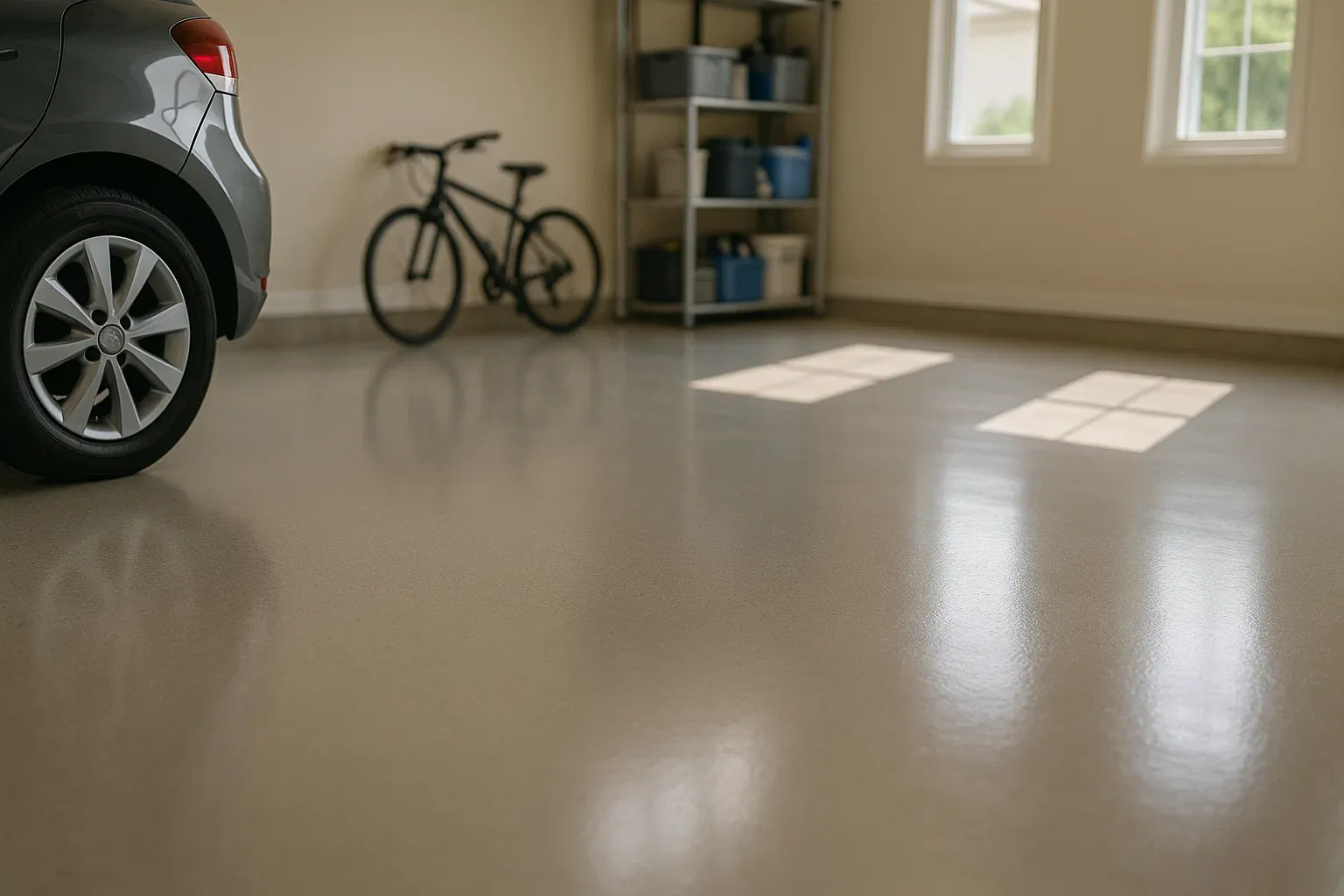
Overview
Epoxy resin flooring has transformed how we think about surfaces in our homes and workplaces. Once relegated to industrial settings, this versatile flooring solution is now a popular choice for everything from residential garages and kitchens to high-end commercial showrooms. Its reputation is built on a foundation of exceptional durability, stunning aesthetics, and surprising longevity. If you’re considering a flooring upgrade, epoxy offers a seamless, high-performance surface that stands up to the demands of modern life.
This comprehensive guide will walk you through everything you need to know about epoxy resin floors in 2025. We will explore the different types available, weigh the significant benefits against the potential drawbacks, and provide a step-by-step look at the installation process. You will also learn about cost considerations, maintenance best practices, and whether a DIY approach is right for you.
What Is an Epoxy Resin Floor?
At its core, an epoxy resin floor is a surface coating created by mixing two main components: a liquid resin and a chemical hardener. When these two parts are combined, they undergo a chemical reaction that results in a rigid, plastic-like material. This material bonds tightly with the substrate beneath it, most commonly a concrete slab, to form an incredibly strong, durable, and seamless floor.
It’s important to distinguish epoxy flooring from standard floor paint. While epoxy paint may contain a small amount of epoxy for added durability, it is essentially a latex acrylic product that dries on the surface. True epoxy flooring, on the other hand, cures through a chemical process. This creates a much thicker, more resilient layer that becomes an integral part of the floor itself, rather than just a coating on top. This fundamental difference is why epoxy floors offer superior resistance to chemicals, abrasion, and heavy impacts. Its applications are broad, providing a reliable and attractive surface for residential, commercial, and industrial environments alike.
Types of Epoxy Resin Flooring
Epoxy flooring is not a one-size-fits-all solution. Different formulations are designed to meet specific performance and aesthetic needs. Understanding the primary types will help you select the perfect option for your space.
Self-Leveling Epoxy Flooring
Self-leveling epoxy is designed to create a perfectly smooth, seamless, and level surface over new, old, or damaged concrete floors. As its name suggests, the product flows to fill in minor imperfections, resulting in a flawless finish. It is often applied in a single, slightly thicker coat.
This type is popular in areas where hygiene and ease of cleaning are paramount, such as commercial kitchens, dining areas, showrooms, and residential living spaces. The sleek, modern appearance makes it an attractive choice for those seeking a minimalist aesthetic.
Epoxy Mortar Flooring
For environments that face extreme conditions, epoxy mortar flooring is the go-to choice. It is the most robust type of epoxy flooring system available. This formulation includes graded quartz sand or other aggregates mixed with the epoxy, creating a thick, trowel-applied mortar.
Epoxy mortar is used to repair heavily damaged concrete, fill large cracks, or create a new surface capable of withstanding heavy machinery, intense impact, and chemical spills. You’ll find it in manufacturing plants, mechanical workshops, warehouses, and commercial kitchens where durability is non-negotiable.
Flake & Decorative Finishes
When aesthetics are a top priority, epoxy flake floors deliver stunning visual appeal. This system involves broadcasting multi-colored vinyl flakes or chips onto a freshly applied epoxy base coat. The flakes are then sealed with one or more clear topcoats, creating a textured, multi-hued finish with a slight gloss.
The customization possibilities are nearly endless, with a vast array of flake colors, sizes, and blends available. This makes it a favorite for residential garages, locker rooms, commercial showrooms, retail stores, and entertainment venues. Beyond its beauty, the textured surface also adds a degree of slip resistance.
Quartz & Functional Types
Similar to flake floors, quartz epoxy flooring uses colored quartz granules instead of vinyl flakes. These systems are known for their exceptional durability and slip-resistant properties. The quartz sand is broadcast into the epoxy and sealed with a clear, protective topcoat.
The result is a hard-wearing, decorative surface that is highly resistant to abrasion and chemicals. It’s an excellent choice for high-traffic areas that still require a clean, attractive appearance, such as restrooms, locker rooms, lobbies, schools, and healthcare facilities. The texture provides reliable grip, even in wet conditions.
Anti-Static & Specialty Coatings
In certain environments, the buildup of static electricity can be more than just an annoyance—it can be a hazard. Anti-static epoxy floors, also known as Electrostatic Dissipative (ESD) floors, are designed to solve this problem. They contain a conductive material that safely dissipates static charge, protecting sensitive electronic components and preventing sparks in flammable environments.
These specialty coatings are essential for electronics manufacturing facilities, data centers, laboratories, pharmaceutical plants, and healthcare settings like operating rooms.
Benefits of Epoxy Resin Floors
The growing popularity of epoxy flooring is driven by a long list of practical and aesthetic advantages that make it a smart investment for many applications.
- Exceptional Durability and Resilience: Epoxy creates a hard, thick surface that is highly resistant to daily wear and tear. It can withstand heavy foot traffic, vehicle loads, and impacts from dropped tools without chipping or cracking, making it last for years.
- Chemical and Stain Resistance: The non-porous surface of an epoxy floor is one of its greatest strengths. It repels liquids, preventing stains from oil, gasoline, bleach, cleaning agents, and other harsh chemicals. This makes cleanup simple and protects the underlying concrete from damage.
- Low Maintenance and Easy Cleaning: Because it is seamless and non-porous, an epoxy floor has no grout lines or joints where dirt, bacteria, and dust can accumulate. A simple sweep and occasional mop with a mild detergent are all that’s needed to keep the floor looking new.
- Aesthetic Customization: Epoxy flooring offers a wide canvas for design. From high-gloss, solid colors to intricate metallic swirls and decorative flake or quartz systems, you can create a look that perfectly matches your design vision.
- Enhanced Safety with Slip Resistance: While a high-gloss epoxy finish can be slippery when wet, additives can be incorporated into the final topcoat. Aggregates like quartz sand or aluminum oxide create a textured surface that significantly improves grip and reduces the risk of slips and falls.
- Cost-Effectiveness and Longevity: While the initial installation cost may be higher than some alternatives like paint, the long lifespan and low maintenance needs of epoxy flooring make it a highly cost-effective solution over time. A professionally installed floor can last for decades with minimal upkeep.
Where Epoxy Floors Are Best Used
Epoxy’s versatility makes it suitable for a wide range of settings, from heavy-duty industrial sites to chic residential interiors.
Residential Applications
In homes, epoxy has moved beyond the garage. While it remains a top choice for garage floors due to its resistance to hot tire pickup, oil stains, and impacts, it’s also gaining traction in other areas.
- Garages: The classic application, offering a clean, durable, and easy-to-maintain surface.
- Basements: Epoxy creates a moisture-resistant barrier, brightening up dark spaces and making them more usable as living areas, gyms, or workshops.
- Kitchens: A seamless, hygienic surface that is easy to clean and can be customized to match any kitchen design. Metallic and decorative flake finishes are popular choices.
- Patios and Outdoor Spaces: With a UV-stable topcoat, epoxy can be used to create durable and attractive outdoor surfaces.
Commercial and Industrial Applications
Epoxy flooring truly shines in demanding commercial and industrial environments where performance is key.
- Warehouses and Manufacturing Plants: Epoxy mortar and self-leveling systems provide floors that can handle forklift traffic, chemical spills, and constant abrasion.
- Retail Shops and Showrooms: Decorative epoxy finishes create a high-end, inviting atmosphere that can be customized to reflect a brand’s identity.
- Laboratories and Healthcare Facilities: Anti-static and chemical-resistant epoxy coatings ensure a safe, sterile, and easy-to-clean environment.
- Commercial Kitchens: Seamless, non-porous, and slip-resistant quartz systems meet stringent health and safety standards.
Installation Process (Step-by-Step)
A successful epoxy floor installation is all about proper preparation. Rushing this critical phase is the single biggest cause of flooring failure. The process can be broken down into several key stages.
1. Surface Preparation
This is the most labor-intensive and important step. The concrete substrate must be clean, dry, and properly profiled for the epoxy to bond correctly.
- Cleaning: The floor must be thoroughly degreased and cleaned to remove all oil, dirt, and contaminants.
- Repairing: All cracks, spalls, and holes in the concrete must be filled and repaired.
- Grinding: The surface must be mechanically profiled, typically with a diamond grinder. This opens up the pores of the concrete and creates a rough texture for the epoxy to grip. A properly prepared surface should feel like medium-grit sandpaper.
- Testing for Moisture: A moisture test is crucial. Excessive moisture vapor transmission from the slab can cause the epoxy to bubble or delaminate. If moisture levels are high, a moisture-mitigating primer must be applied first.
2. Mixing and Application
With the surface prepared, it’s time to apply the epoxy.
- Priming: A primer coat is applied to seal the concrete and ensure strong adhesion of the subsequent layers.
- Mixing: The resin and hardener components are precisely measured and mixed thoroughly, usually with a low-speed drill and paddle mixer. It’s critical to follow the manufacturer’s instructions, as improper mixing can prevent the epoxy from curing correctly.
- Application: The mixed epoxy is poured onto the floor and spread evenly using a notched squeegee. A spiked roller is then used to back-roll the material, which helps level it and release any trapped air bubbles.
3. Curing Times and Safety
Epoxy cures through a chemical reaction, and it needs time to do so without disturbance.
- Curing: The floor will typically be tack-free in 12-24 hours, ready for light foot traffic in 24-48 hours, and fully cured for heavy traffic and chemical exposure in about 7 days. These times can vary based on the product, temperature, and humidity.
- Safety: Epoxy resins release fumes during application. Proper ventilation is essential. Personal protective equipment (PPE), including gloves, safety glasses, and a respirator, should always be worn.
Cost & Budget Considerations
The cost of an epoxy floor can vary significantly based on several factors. On average, you can expect to pay between $4 to $12 per square foot for a professional installation in the United States.
Factors Affecting Price:
- Condition of the Concrete: A heavily damaged floor requiring extensive repairs and grinding will cost more to prepare.
- Type of Epoxy System: A simple, solid-color system will be less expensive than a multi-layered decorative flake or metallic system.
- Size of the Project: Larger projects may have a lower cost per square foot due to economies of scale.
- Labor Costs: Professional labor accounts for a significant portion of the total cost, reflecting the expertise required for proper surface preparation and application.
DIY vs. Professional Installation Cost Comparison:
DIY kits may seem cheaper upfront, often costing $1 to $3 per square foot for materials. However, this price doesn’t include the cost of renting equipment like a diamond grinder, purchasing application tools, or the value of your time. If mistakes are made, the cost to fix them can quickly exceed the savings. A professional installation provides peace of mind and is often backed by a warranty.
Maintenance & Longevity Tips
One of the best features of an epoxy floor is how easy it is to maintain. With a little care, your floor can look great for 15-20 years or more.
- Routine Cleaning: Regularly sweep or dust mop the floor to remove grit and debris that can act like sandpaper underfoot. For deeper cleaning, use a pH-neutral cleaner and a microfiber mop. Avoid acidic or soap-based cleaners, as they can dull the finish over time.
- Scratch Repair: While durable, epoxy can be scratched by sharp, heavy objects. Minor scratches can often be buffed out. For deeper gouges, a small touch-up kit from your installer can be used to fill the area.
- Recoating: After many years of heavy use, the topcoat may begin to show wear. The great thing about epoxy is that the floor can be revitalized by lightly sanding the surface and applying a fresh topcoat, restoring its gloss and protective properties without needing to replace the entire floor.
Pros & Cons of Epoxy Resin Floors
To make an informed decision, it’s important to look at both sides.
Pros:
- Unmatched Durability: Resistant to chemicals, stains, abrasion, and impact.
- Aesthetic Versatility: Highly customizable with endless color and pattern options.
- Low Maintenance: Seamless and easy to clean.
- Bright and Reflective: A high-gloss finish can significantly brighten a space.
- Long-Lasting: A cost-effective solution over its long lifespan.
Cons:
- Slippery When Wet: A standard high-gloss finish can be hazardous. Anti-slip additives are a must in wet areas.
- Complex Installation: Surface preparation is critical and labor-intensive.
- Temperature Sensitive: Application must be done within a specific temperature and humidity range.
- Potential for Fading: Without a UV-stable topcoat, yellowing can occur in areas exposed to direct sunlight.
- Temporary Odor: Strong fumes are present during installation and curing.
Common Mistakes & Troubleshooting
Even with professional installation, issues can sometimes arise.
- Bubbling or Blistering: This is often caused by moisture vapor transmission from the concrete slab or applying the epoxy in direct sunlight or high heat. Using a moisture barrier and controlling the climate during application are key prevention methods.
- Poor Adhesion (Peeling): This is almost always due to improper surface preparation. If the concrete is not properly cleaned and profiled, the epoxy cannot form a strong bond.
- Inconsistent Color: This can result from improper mixing of the resin and hardener or from mixing multiple batches with slight color variations.
DIY vs. Professional Installation
Deciding whether to tackle an epoxy floor project yourself or hire a professional is a major consideration.
When It’s Feasible to DIY:
A DIY approach might be suitable for a small, simple project like a single-car garage with a concrete slab that is in good condition. If you are detail-oriented, have the time, and are willing to rent the proper equipment (especially a diamond grinder), you may achieve a satisfactory result with a high-quality DIY kit.
Situations Requiring a Professional:
For large areas, floors with significant damage, commercial spaces, or complex decorative finishes, hiring a professional is strongly recommended. Professionals have the industrial-grade equipment, expertise in surface preparation, and experience to handle unforeseen issues like moisture problems. They also typically offer a warranty on their work, providing long-term peace of mind.
Conclusion
Epoxy resin flooring is a powerful and versatile solution that offers an unbeatable combination of durability, low maintenance, and aesthetic appeal. From transforming a dusty garage into a clean, functional workspace to creating a stunning, high-performance surface in a commercial setting, the possibilities are vast.
By understanding the different types of epoxy, the critical installation steps, and the long-term benefits, you are now equipped to decide if it’s the right choice for your next project. Whether you choose to go the DIY route for a small space or invest in a professional for a flawless, long-lasting finish, an epoxy floor is an investment that pays dividends in performance and style for years to come.
Ready to transform your space? Contact a local flooring professional today to get a quote and explore the design possibilities for your project.
FAQ / People Also Ask
What is the difference between epoxy flooring and floor paint?
Epoxy flooring is a two-part thermosetting system that cures to form a thick, durable, and chemically bonded surface. Epoxy paint is a one-part latex acrylic product that simply dries on the surface, offering much less durability and longevity.
How long does epoxy resin flooring last?
A professionally installed epoxy floor can last 15-20 years or more in a residential setting and 7-10 years in a heavy-duty industrial environment. Longevity depends on the quality of the installation, the type of system, and the level of traffic and maintenance.
Can I install epoxy floors myself?
DIY installation is possible for small, simple projects with concrete in good condition. However, due to the critical importance of surface preparation and the technical nature of the application, professional installation is recommended for most projects to ensure durability and a flawless finish.
How much does epoxy floor installation cost?
Professional installation typically ranges from $4 to $12 per square foot, depending on the floor’s condition, the system chosen, and the project size.
What maintenance does an epoxy resin floor need?
Epoxy floors are low-maintenance. Regular sweeping and mopping with a pH-neutral cleaner are usually sufficient. Avoid soap-based or acidic cleaners.
What types of epoxy floor finishes are best for garages?
Epoxy flake flooring is one of the best and most popular choices for garages. It provides excellent durability, hides imperfections, and the textured surface offers added slip resistance.
Are epoxy floors slippery when wet?
A high-gloss epoxy finish can be very slippery when wet. To enhance safety, anti-slip aggregates can be broadcast into the final topcoat to create a textured, non-slip surface. This is highly recommended for garages, walkways, and commercial areas.
Kovových Explained: Meaning, Uses and Buying Guide
Encountering a foreign term in a technical specification can be a major roadblock. For English-speaking engineers, designers, and procurement specialists working with Czech suppliers, the word “kovových” often appears in documents related to metal fabrication and construction. Understanding this single word is key to unlocking detailed specifications and ensuring your project meets the correct standards.
This guide will explain exactly what “kovových” means, where you’ll see it, and how to navigate the technical and procurement challenges associated with it. We will cover everything from grammatical context to material selection and international standards, giving you the confidence to manage global metalwork projects.
What “kovových” Means – Linguistic & Grammatical Background
At its core, “kovových” is a Czech word related to metal. It comes from the root adjective “kovový,” which means “metal” or “metallic.” However, you won’t always see “kovový” written this way. The Czech language uses a system of grammatical cases, and “kovových” is a specific form of this adjective.
“Kovových” is the genitive plural form. This case is used to show possession or to describe something “of” or “from” a material. Think of it as the English equivalent of “of metal” or “of metallic [items].” So, when you see “kovových,” the document is referring to multiple items that are made of metal.
For example, a phrase like “výroba kovových dílů” translates to “production of metallic parts.” The term clarifies that the parts are made from metal.
Quick Declension Reference Table
For those who need to work with Czech documents regularly, understanding the different forms of “kovový” can be helpful.
[Placeholder for a simple table showing singular vs. plural and different cases like nominative and genitive for the word “kovový”]
Industrial Context – Where “kovových” Appears Commonly
You will most likely encounter “kovových” in technical and industrial documentation from sectors that rely heavily on metal components. These industries include:
- Construction and architecture
- Automotive and aerospace manufacturing
- Mechanical engineering
- Industrial fabrication and metalworking
The term often appears in phrases describing specific items, such as:
- kovových konstrukcí: metal structures
- kovových dílů: metal parts
- kovových slitin: metal alloys
- kovových výrobků: metal products
Documents Where You Are Likely to See “kovových”
Keep an eye out for this word in technical specifications, fabrication orders, supplier catalogs, quality control reports, and engineering drawings originating from the Czech Republic or neighboring regions.
Types of Metals & Materials Usually Associated with “kovových”
The term “kovových” is a general descriptor and can refer to a wide range of metallic materials. These are typically classified into three main groups:
- Ferrous Metals: These contain iron and are known for their strength and durability. Common examples include carbon steel, stainless steel, and cast iron. They are the backbone of construction and heavy machinery.
- Non-Ferrous Metals: These metals do not contain significant amounts of iron, making them generally more corrosion-resistant and lighter. Examples include aluminum, copper, zinc, and titanium. They are valued for their unique properties, like conductivity (copper) and low weight (aluminum).
- Alloys: These are materials created by combining two or more metals, or a metal with a non-metal. Alloys are engineered to have specific properties, such as increased strength or improved corrosion resistance. Brass (copper and zinc) and bronze (copper and tin) are common examples.
When to Choose One Metal Over Another
The choice of material depends on the application’s demands. For structural frames, steel is often the best choice due to its high strength. For lightweight applications or those in corrosive environments, aluminum or stainless steel might be more suitable. High-performance needs, like in aerospace, may require titanium alloys.
Real-World Use Cases – Translating Czech Specification to Global Projects
Imagine you are a procurement manager for a U.S. construction firm and you’ve received a quote from a Czech supplier for a “zábradlí z kovových prvků.” A direct translation is “railing of metallic elements.” This is a good start, but it lacks the detail needed for a technical order.
To move forward, you must clarify several key points:
- Material Type: Which specific metal? Is it stainless steel (nerezová ocel) or powder-coated carbon steel?
- Surface Finish: Is the metal galvanized, painted, or polished?
- Welding Standards: What welding procedures and certifications are being used?
- Dimensions and Tolerances: Are the measurements in millimeters? What are the acceptable tolerances?
Challenges for non-Czech buyers often include the language barrier, unfamiliarity with local standard designations (like ČSN), and different documentation practices.
Supplier-Checklist Template
To avoid ambiguity, use a clear checklist when communicating with your supplier.
[Placeholder for a downloadable supplier checklist PDF. Alt-text: “Downloadable checklist for procuring kovových parts from international suppliers.”]
Understanding Metal-working Standards & Quality Norms
Czech manufacturers often work with a combination of national, European, and international standards. While you might see references to ČSN (Czech Technical Standards), most reputable firms align their work with EN (European Norms) and ISO (International Organization for Standardization) standards. This harmonization is a major benefit for global buyers.
When you see a specific ČSN standard, ask the supplier for its EN or ISO equivalent. For example, a Czech material grade can often be mapped to a corresponding grade in ASTM (American Society for Testing and Materials) or AISI (American Iron and Steel Institute) systems.
What to Request from a Supplier
To ensure quality and compliance, always request key documentation:
- Material Test Reports (MTRs) or Certificates (3.1 Certificate): These documents trace the material back to its source and provide details on its chemical composition and mechanical properties.
- Test Reports: For things like coating thickness or welding inspections.
- Declaration of Conformity: A statement that the product meets all relevant legal and technical standards.
Pros & Cons of Common “Kovových” Materials
Choosing the right material involves balancing performance, cost, and manufacturability.
- Steel:
-
- Pros: High strength, low cost, versatile.
- Cons: Heavy, prone to corrosion unless treated.
- Aluminum:
-
- Pros: Lightweight, excellent corrosion resistance, good strength-to-weight ratio.
- Cons: More expensive than steel, lower strength.
- Stainless Steel:
-
- Pros: Superior corrosion resistance, hygienic, aesthetic appeal.
- Cons: Higher cost, more difficult to machine.
- Alloys:
-
- Pros: Can be engineered for specific properties (e.g., extreme temperature resistance).
- Cons: Often expensive and require specialized fabrication processes.
Surface Treatments & Finishing
Surface treatments are critical for performance and longevity. Galvanization (coating with zinc) protects steel from rust. Powder coating provides a durable, colored finish. Anodizing creates a hard, protective layer on aluminum. The right finish depends entirely on the end-use environment.
Procurement & Buying Guide – How to Purchase “kovových” Products Internationally
A systematic approach can streamline the international procurement process.
- Clarify Specifications: Provide detailed drawings and explicitly state material grades (using international standards), required finishes, and critical tolerances.
- Request MTRs: Make material certificates a mandatory part of the order.
- Confirm Standards: Verify that the supplier will work to the required EN, ISO, or other international standards.
- Verify Dimensions: Agree on measurement units and inspection procedures before production begins.
Typical Lead Times and Cost Factors
Be aware of factors that influence project timelines and cost. Material price, complexity of machining, type of finish, and shipping logistics all play a role. Get a detailed cost breakdown from your supplier to understand where your money is going.
Sustainability & Lifecycle – Environmental Considerations of “Kovových” Materials
Metals play a complex role in sustainability. On one hand, their production can be energy-intensive and environmentally disruptive. On the other hand, they are incredibly durable and highly recyclable.
Steel, aluminum, and copper can all be recycled repeatedly without losing their core properties. This circular lifecycle makes them a sustainable choice for long-term projects. When procuring metal products, you can actively contribute to sustainability.
How to Specify Greener Metals
Ask your supplier about the availability of materials with high recycled content. Specifying recycled steel or low-carbon aluminum can significantly reduce the environmental footprint of your project.
Visual Aids & Resources – How to Present “Kovových” Content Clearly
Clear communication is essential in engineering. When discussing metal components, visual aids can bridge language gaps and prevent misunderstandings.
- Diagrams: Use cross-sections to show the internal structure of a part or the layers of a coating.
- Comparison Charts: Create tables to compare the properties (e.g., strength, weight, cost) of different metals.
- Photos: Show examples of finished products or different surface textures.
[Placeholder for an image gallery showing examples: a cross-section of a steel beam, a chart comparing aluminum and steel properties, and a photo of a galvanized finish. Alt-text examples: “Cross-section of a kovových steel frame,” “Comparison chart of common kovových materials,” “Detail of a galvanized kovových component.”]
FAQ – Quick Answers to Common Questions about “kovových”
What does “kovových” mean in English?
It translates to “of metal” or “of metallic [items].” It is the genitive plural form of the Czech word for “metal” (“kovový”).
Is “kovových” singular or plural?
It is a plural form, used when referring to multiple items made of metal.
How is “kovových” used in a sentence?
It is used to describe the material composition of multiple objects, such as in “dodávka kovových konstrukcí” (delivery of metal structures).
In which industries is “kovových” commonly found?
It appears most often in construction, manufacturing, engineering, and metalworking industries.
How can I translate Czech metal specifications containing “kovových”?
Start by identifying the root phrase (e.g., “kovových dílů” for “metal parts”). Then, ask the supplier for the specific material grade, finish, and applicable EN/ISO standards to get a complete technical picture.
What documentation should I request when ordering “kovových” parts?
Always ask for Material Test Reports (MTRs), a Declaration of Conformity, and any relevant test reports for coatings or welding.
Conclusion
The word “kovových” is more than just a linguistic detail; it’s a gateway to understanding the technical heart of a project. By grasping its meaning and learning to ask the right questions about materials, standards, and documentation, you can confidently work with Czech and other European suppliers. This guide provides the foundation you need to navigate the world of international metalwork and ensure your projects are built to last.
Understanding “Kovových”: Insights into Czech Metal Terminology and Applications
Languages are windows into different cultures, industries, and histories. A single word can unlock a deeper understanding of a country’s heritage and its contributions to the world. One such word is “kovových,” a term from the Czech language. While it may look unfamiliar to English speakers, it connects directly to a universal and vital industry: metals. “Kovových” is the genitive plural form of the adjective “kovový,” which means “metallic” or “made of metal.”
This post will explore the meaning of “kovových,” its grammatical context, and its connection to the Czech Republic’s rich industrial history. We will also see how this specific term relates to the broader global use of metal materials in sectors like construction and engineering. By the end, you’ll have a new appreciation for how language and industry intertwine.
What Does “Kovových” Mean?
At its core, “kovových” is a descriptor used to talk about things made of or related to metal. In Czech grammar, adjectives change their form based on the noun they modify—specifically its gender, number, and case. “Kovových” is used when referring to multiple items of metal in the genitive or locative case.
For example, you might see it used in a phrase like “výroba kovových dílů,” which translates to “the production of metal parts.” Here, “kovových” modifies “dílů” (parts) to specify that they are metallic. Another example could be “diskuse o kovových konstrukcích,” meaning “a discussion about metal structures.”
Understanding this grammatical nuance is key. It shows that the term isn’t a standalone keyword but part of a linguistic system. For anyone doing business in the Czech Republic or studying the language, grasping how words like “kovových” function is essential for clear communication.
The Role of Metal in Czech Industry and Culture
The Czech lands have a long and storied history with metallurgy. This tradition dates back centuries and has positioned the Czech Republic as a significant player in the European industrial landscape. The emphasis on metal is not just economic; it’s woven into the nation’s cultural fabric.
Key industries that rely heavily on “kovových materiálů” (metallic materials) include:
- Automotive: The Czech Republic is a major hub for car manufacturing, with brands like Škoda Auto having a global presence. This industry is a massive consumer of steel, aluminum, and other specialized metal alloys for everything from engine components to chassis construction.
- Manufacturing and Engineering: From heavy machinery to intricate electronics, Czech engineering has a reputation for quality and precision. The production of these goods depends on a steady supply of high-grade metals.
- Construction: Modern Czech architecture often incorporates bold metal elements, reflecting a blend of historical craftsmanship and contemporary design. Steel frames, metal facades, and aluminum fittings are common sights in new developments.
This deep-rooted industrial expertise means the language has developed a rich vocabulary to describe various aspects of metalworking, production, and engineering. Terms like “kovových” are part of the everyday lexicon for professionals in these fields.
How “Kovových” Connects to Global Metal Applications
While “kovových” is a Czech term, the materials it describes are universal. The English equivalents—”metallic,” “metal,” or “made of metal”—are used daily in architecture, engineering, and design projects worldwide. The principles of using metal for strength, durability, and aesthetic appeal are the same everywhere.
Think about some of the world’s most iconic structures. The Eiffel Tower is a monument to iron’s potential, while the steel skeleton of the Empire State Building allowed it to reach unprecedented heights. In modern architecture, materials like titanium and corten steel are used to create buildings that are both functional and beautiful.
The global relevance of metal materials is clear. Whether you call it “kovových” in Prague or “metallic” in New York, engineers and architects rely on these materials to push the boundaries of what is possible. The conversation about metal’s role in building our world is a global one, and understanding terms from different languages only enriches that dialogue.
Why Learn Czech Metal Terminology?
For professionals operating in a global market, linguistic knowledge can be a powerful asset. Learning specific Czech terms like “kovových” offers several advantages, especially for those in or adjacent to the metal industry.
Understanding key terminology can improve communication with Czech partners, suppliers, or clients, reducing the risk of misunderstandings in technical specifications or business contracts. It also shows respect for their culture and expertise, which can strengthen business relationships. For engineers, supply chain managers, or architects collaborating on projects with Czech firms, this knowledge can be invaluable.
Broader Applications: Metal Materials in Construction
The conversation around “kovových” provides an excellent entry point into a broader discussion about metal in construction. Metals offer a unique combination of properties that make them indispensable for modern building projects.
Some of the key advantages include:
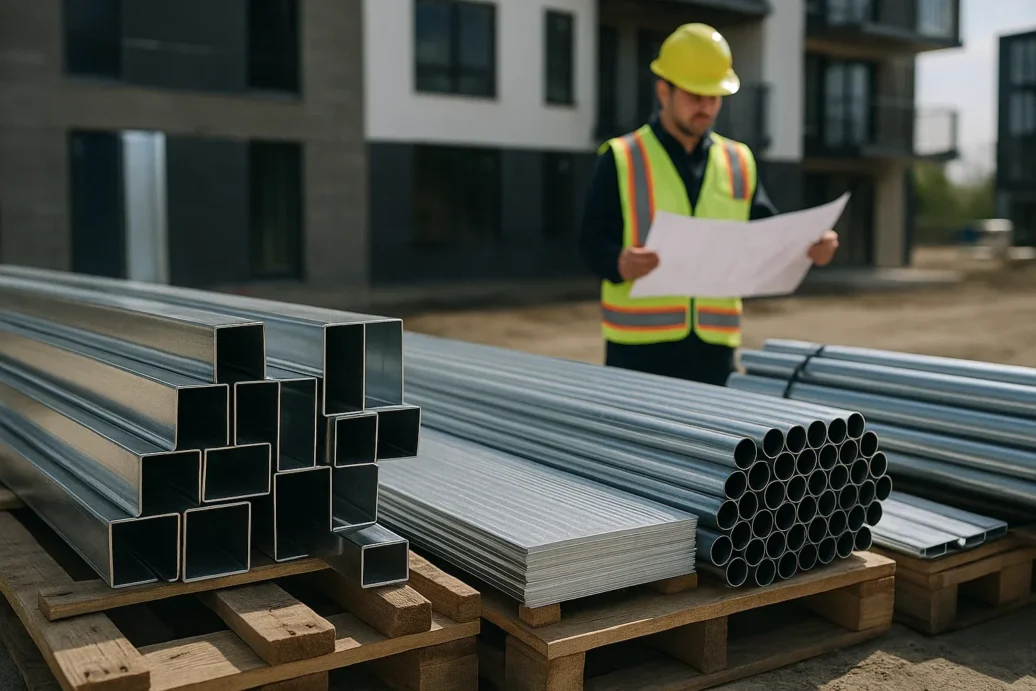
- Strength and Durability: Metals like steel have an exceptional strength-to-weight ratio, allowing for the construction of tall buildings and long-span bridges with less material than concrete. They are also resistant to fire, pests, and rot.
- Versatility: Metals can be molded, cut, and shaped into nearly any form imaginable. This gives architects immense creative freedom to design complex and innovative structures.
- Sustainability: Many metals, particularly steel and aluminum, are highly recyclable. They can be melted down and reformed without losing their structural properties, making them a more sustainable choice over their lifecycle.
Popular metal alloys used in construction include structural steel for frameworks, aluminum for window frames and cladding, copper for roofing and wiring, and stainless steel for facades and interior fittings. Each offers a different set of properties, allowing designers to select the perfect material for each application.
Conclusion
The word “kovových” is more than just a foreign term; it’s a link to the Czech Republic’s industrial legacy and a reminder of the global importance of metal materials. From its specific grammatical use in the Czech language to the universal applications of the materials it describes, “kovových” tells a story of craftsmanship, innovation, and engineering.
Understanding such terms helps bridge cultural and linguistic divides, fostering better communication and collaboration in a connected world. Whether you are an architect, an engineer, a linguist, or simply a curious individual, exploring words like “kovových” opens up a new perspective on how different cultures contribute to our shared global industries.
Have you encountered specific industrial terms in another language? Or do you have experience with Czech metal terminology? Share your thoughts and experiences in the comments below
Rocklin is known for its family-friendly neighborhoods, energetic kids, and busy households that always seem to have something going on. With parks, sports, after-school activities, and playdates filling weekly schedules, it’s no surprise that homes in the area need furniture that can hold up to real-life wear and tear. For many families, durability isn’t just a preference—it’s a necessity.
Choosing kid-friendly, long-lasting furniture doesn’t have to mean giving up style or comfort. Stores like RC Willey offer countless options designed to survive spills, climbing, snack time, and everyday use while still looking great in your home. If you want pieces that can keep up with your active lifestyle, this guide will help you shop smarter and build a home that stands the test of time.
1. Start With the Right Materials
When it comes to durability, the materials used in your furniture matter more than anything else. Not all fabrics, woods, or metals are created equal, and understanding what to look for can save you money and frustration down the road.
Performance Fabrics
If you have kids, performance fabrics can be a game-changer. These materials are engineered to be stain-resistant, moisture-resistant, and easy to clean. Brands like Crypton, Revolution, and Sunbrella are known for their family-friendly durability.
Benefits include:
- Resistance to spills
- Fade resistance in sunny rooms
- Easy cleaning with mild soap and water
- Kid-proof and pet-proof construction
A sofa covered in performance fabric can survive juice accidents, finger paints, muddy uniforms, and everything else a busy Rocklin household throws at it.
Solid Wood Over Particleboard
When looking for tables, beds, and storage furniture, choose solid hardwood whenever possible. Oak, maple, and acacia are popular options known for strength and longevity.
Solid wood:
- Won’t bow or warp as easily
- Can be refinished if damaged
- Handles heavy use and impact
Particleboard or MDF can work for decorative pieces, but for anything that kids will climb, push, or use daily, hardwood is the better investment.
Metal Frames for Extra Strength
Metal bed frames, accent chairs, and barstools can withstand rougher handling and daily activity. Powder-coated metals also resist scratches and rust, making them ideal for long-term durability.
2. Look for Easy-Clean Surfaces
Rocklin families know messes come with the territory. Choosing easy-clean materials will save hours of scrubbing and keep your home looking fresh.
Leather and Faux Leather
These surfaces wipe clean easily and resist stains. Real leather becomes more beautiful with age, and high-quality faux leather options are surprisingly durable and affordable.
Sealed Wood
When shopping for dining tables or coffee tables, ensure the wood is sealed. A sealed surface protects against moisture rings, food spills, and crayon marks.
Laminate and Stone
Laminate counters and stone-top tables are perfect for high-traffic areas. They resist scratches and provide a smooth, family-friendly surface for craft projects or homework.
3. Choose Sturdy Construction
Materials are important, but construction determines how long your furniture will last.
Look for Reinforced Corners
Dovetail joints, corner blocks, and metal brackets offer better support than glued-only construction.
Check for Solid, Stable Legs
Wobbly legs are a sign of weak construction. Test tables, chairs, and sofas in the store to make sure they don’t shift when you apply pressure.
Test the Cushioning
For seating, high-density foam cushions hold their shape longer than low-density foam. Cushions wrapped in down or fiber provide comfort but may require more frequent fluffing.
4. Think Long-Term: Adaptable Furniture for Growing Families
Rocklin families tend to grow and change quickly—kids get older, sports gear multiplies, and rooms shift roles. Choosing adaptable furniture ensures your home stays functional over time.
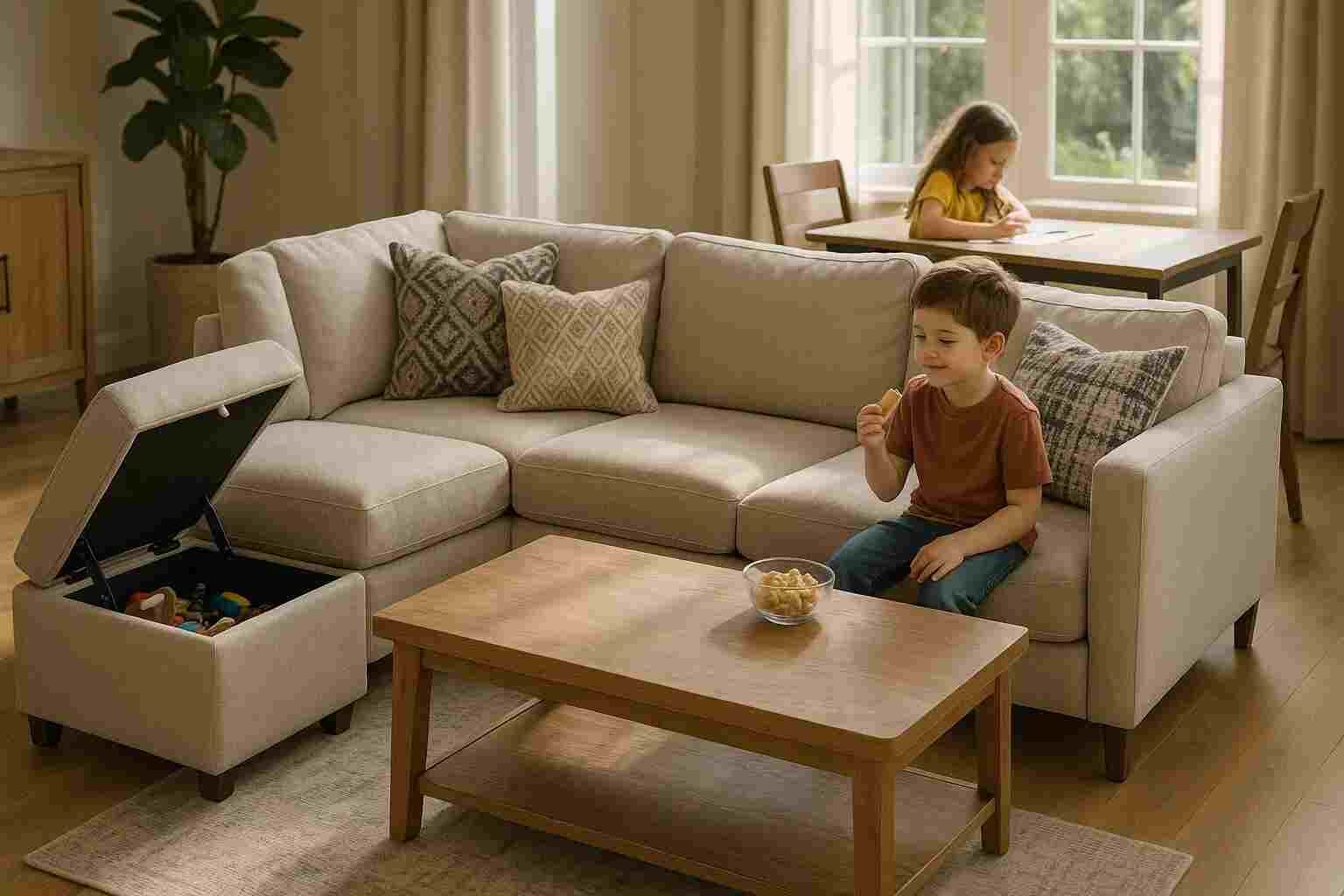
Modular Sectionals
These allow you to rearrange pieces as your needs change. They’re great for growing families and can adjust to different room layouts.
Expandable Dining Tables
Perfect for family gatherings, birthday parties, and holiday events. An extendable table gives you flexibility without taking up extra space daily.
Storage-Friendly Designs
Look for:
- Coffee tables with drawers
- Ottomans with hidden compartments
- Platform beds with built-in storage
These help keep toys, blankets, school projects, and sports gear neatly organized.
5. Prioritize Safety in Kid-Focused Homes
Durable furniture isn’t just about lasting longer; it’s also about keeping your family safe.
Rounded Edges
Kids run, climb, and fall. Rounded or beveled edges reduce the risk of serious injury.
Tip-Resistant Dressers and Shelves
Make sure larger furniture is tip-tested or comes with anchoring hardware. This is essential for kids who love to climb.
Anti-Microbial Fabrics
Some performance fabrics include anti-microbial protection, which helps prevent odors and bacteria buildup—especially helpful after outdoor sports or messy craft projects.
6. Choose Colors and Patterns That Hide Wear
Kids add joy to a home—but also stains, crumbs, and dirt. Thoughtful color choices can make maintenance easier.
Mid-Tone Colors
Very light and very dark shades show dirt quickly. Mid-tone options hide daily wear more effectively.
Patterns Over Solids
Subtle patterns or textured fabrics disguise small stains and signs of wear better than flat, solid colors.
Leather With Natural Patina
Leather ages gracefully and can hide scuffs better than many fabrics.
7. Invest in Pieces That Fit Your Lifestyle
Every family’s routine is different, so choose furniture that works for your specific needs.
For example:
- If your kids love art projects, a durable, scratch-resistant dining table is essential.
- If your home is the go-to hangout spot, choose sectional sofas and sturdy accent chairs.
- If you have toddlers, avoid glass tables and delicate items that tip easily.
A reliable furniture store in Rocklin can help match your lifestyle to the right materials and designs. Staff can also guide you toward collections tested specifically for durability and family use.
8. Don’t Forget Warranty and Protection Plans
Durability goes beyond the construction—it includes how the furniture is backed by the manufacturer.
When shopping at places like RC Willey, ask about:
- Manufacturer warranties
- Frame guarantees
- Cushion warranties
- Fabric protection plans
A good warranty shows confidence in a product’s longevity, giving you peace of mind for years to come.
Final Thoughts
Rocklin families deserve furniture that can keep up with their busy, kid-filled lives. By choosing the right materials, construction, fabrics, and finishes, you can create a home that looks beautiful while standing strong against daily use. Ask questions, test pieces in-store, and trust knowledgeable associates—especially when visiting a reliable furniture store in Rocklin that understands what local families really need.
Durable furniture isn’t just an investment in your home. It’s an investment in comfort, safety, and peace of mind—something every family deserves.

Arizona Broadway Theatre’s Non-Profit Mission: Building Audiences and Artists for the Future

Xaicotum Explained: Uses, Dosage & Health Benefits

Outdoor Pickleball Court Surfaces: 4 Best Options Compared

Taylor Swift’s Producer Hints at New Album Release This Year: TS12, Reputation (Taylor’s Version), and All the Clues
麻 豆 传 媒体: A Comprehensive Insight into the Media Powerhouse
