
Pet
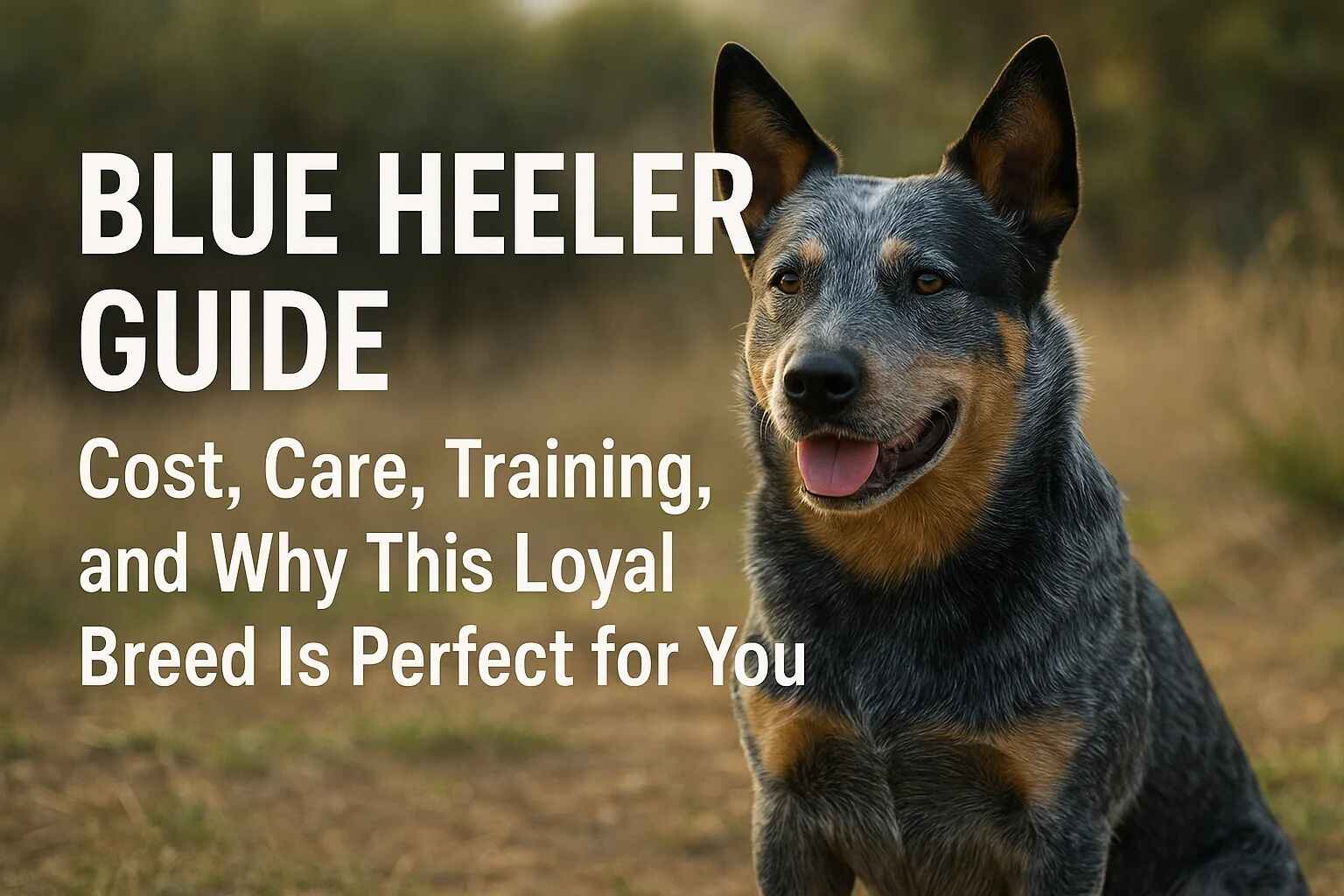
Blue Heeler Guide: Cost, Care, Training, and Why This Loyal Breed Is Perfect for You

Introduction
When it comes to loyal and hardworking companions, the Blue Heeler stands out as a remarkable breed. Also known as the Australian Cattle Dog, this energetic and intelligent breed has captivated dog lovers, particularly in the US and UK, with its unique traits and undeniable charm. Renowned for their herding abilities, Blue Heelers are not just exceptional working dogs but also make devoted family pets, provided their active lifestyle needs are met.
But what truly defines the Blue Heeler? From their striking coat and history steeped in Australia’s rugged outback to their spirited temperament, there’s so much to uncover about this incredible breed. Whether you’re considering a Blue Heeler for your home or are simply curious about their characteristics, this comprehensive guide will walk you through all the essential details.
You’ll learn about their origins, personality, care requirements, and much more, ensuring you have everything you need to better understand these remarkable dogs. By the time you finish, you’ll see why the Blue Heeler continues to be a favorite among dog enthusiasts on both sides of the Atlantic.
1. Why Choose a Blue Heeler?
The Blue Heeler, also known as the Australian Cattle Dog, is a top choice for individuals or families looking for a loyal, intelligent, and hardworking companion. Originally bred for herding cattle in Australia, this breed is renowned for its tireless work ethic and adaptability. Their sharp intelligence and trainability make them an excellent fit for owners who seek an active and highly engaging pet.
What sets the Blue Heeler apart is its dual role as both a working dog and a family companion. They thrive in environments where they receive plenty of physical and mental stimulation, making them ideal for those with active lifestyles. Additionally, their affectionate and protective nature ensures they quickly become an integral part of the household. These dogs aren’t just pets; they’re lifelong partners who will accompany you on every adventure with boundless enthusiasm.
2. How Much Does a Blue Heeler Cost?
Before bringing a Blue Heeler home, it’s essential to consider the costs involved. Buying a Blue Heeler from a reputable breeder in the US or UK typically ranges between $500 and $1,500, depending on the dog’s lineage, quality, and any certifications they hold. Puppies with exceptional pedigrees or those bred for show or working purposes may cost more.
If you’re open to adoption, shelters and Blue Heeler rescue organizations often have this breed available for a much lower fee, typically between $100 and $400. Keep in mind that initial costs go beyond the purchase price. Essentials such as vaccinations, microchipping, toys, and initial vet checkups can add another $300 to $500. While the initial investment might seem significant, the joy and loyalty a Blue Heeler brings to your life make it worth every penny.
3. Where to Buy or Adopt a Blue Heeler
Finding the right place to get your Blue Heeler is crucial to ensuring a healthy and happy pup. If you’re buying, always choose a reputable breeder who provides health clearances for the puppy and its parents. Look for breeders who allow you to meet the puppy’s parents, provide medical records, and socialize their pups from an early age.
For those considering adoption, many shelters and breed-specific rescue organizations specialize in Blue Heelers. Rescuing a dog not only gives you a loving companion but also provides a second chance to a dog in need. Popular online platforms like Petfinder or Adopt-a-Pet can help you locate Blue Heelers near you. Whether you choose to buy or adopt, research thoroughly and avoid puppy mills or unethical breeders.
4. Essential Care for a Blue Heeler
Caring for a Blue Heeler involves more than just feeding and housing them; they thrive when their mental and physical needs are consistently met. This breed is highly energetic, requiring at least 1-2 hours of exercise daily, including walks, runs, or interactive play sessions. Without proper exercise, they may resort to destructive behaviors as a way of dealing with pent-up energy.
Their diet should be high-quality and tailored to their age, size, and activity level. Blue Heelers also have a short, dense coat that’s relatively low-maintenance. Weekly brushing and occasional baths will keep them looking their best. Lastly, preventive healthcare, including routine vet checkups, vaccinations, and flea treatments, is essential to ensuring your Blue Heeler enjoys a long and healthy life.
5. Are Blue Heelers Good for First-Time Owners?
Blue Heelers are undoubtedly special, but are they suitable for first-time dog owners? The answer depends on your lifestyle and willingness to commit to the breed’s needs. Their intelligence and loyalty make them highly trainable, but their high energy levels and strong herding instincts can be a challenge for inexperienced owners.
If you’re a first-time owner willing to dedicate time to training and exercising your Blue Heeler, you’ll be rewarded with a deeply devoted and fun-loving pet. However, consistency and an understanding of their behavior are crucial. Consider enrolling in puppy training classes or consulting a dog trainer to ensure you’re equipped to handle this spirited breed.
6. The Best Environment for a Blue Heeler
Blue Heelers thrive in environments where they can express their natural energy and intelligence. While they can adapt to living in apartments, they are best suited to homes with spacious yards or access to open outdoor areas. These dogs love activities like hiking, running, or even participating in canine sports like agility and flyball.
Additionally, Blue Heelers do best in households where they are not left alone for long periods. They crave companionship, making them ideal for families or individuals who can spend quality time engaging with them. With the right environment, a Blue Heeler will not only survive but truly flourish.
7. Training Tips for Blue Heelers
Training a Blue Heeler requires patience and consistency. Positive reinforcement is the key to encouraging their best behavior. Since they are intelligent and quick learners, reward-based systems like treats or affectionate praise work wonders. Avoid harsh punishments, as this can lead to mistrust and fear.
Socialization during their puppy phase is critical to helping your Blue Heeler become a well-rounded adult. Expose them to different people, environments, and other animals to build their confidence and adaptability. Structured activities, like agility training or obedience exercises, can challenge their minds while reinforcing good habits. A well-trained Blue Heeler is not just obedient but also happier and more secure in its role within the family.
8. Why Blue Heelers Are the Perfect Working Dog
Looking for a dog that’s as hardworking as you are? The Blue Heeler is the ultimate working companion. Built for herding cattle across vast Australian landscapes, they possess remarkable stamina, intelligence, and determination. Their unwavering focus and drive make them an asset on farms, ranches, or any environment requiring a skilled working dog.
Many Blue Heelers today continue to thrive in roles beyond herding. From search-and-rescue missions to service roles, their versatility is truly impressive. If you’re in need of a reliable working partner or just an active dog to share in tasks around the home, the Blue Heeler is unmatched in its dedication and work ethic.
9. Is a Blue Heeler Right for You?
Choosing a Blue Heeler is a big decision. This breed is ideal for experienced dog owners or highly active individuals and families who can match their energy and intelligence. They require a commitment to training, socialization, and exercise, but the rewards are immense.
Their unique blend of loyalty, protectiveness, and high energy creates a one-of-a-kind companion. If you’re looking for a dog that will challenge you, love you, and be by your side through thick and thin, the Blue Heeler might just be your perfect match
1. The Origin and History of the Blue Heeler
The Blue Heeler, or Australian Cattle Dog, traces its roots back to 19th-century Australia. Developed specifically to handle the challenging task of herding cattle in the rugged Australian outback, the breed resulted from a combination of several canines, including native dingoes, Collies, and Dalmatians. Australian settlers needed a hardy, intelligent, and tireless dog to manage livestock across vast, unforgiving terrains, and the Blue Heeler became the perfect solution.
Their unique herding ability made them essential for cattle ranchers in Australia and, later, across the world. By the mid-20th century, the breed gained recognition in other countries, such as the US and UK, for its incredible work ethic and resilience. Today, the Blue Heeler remains true to its heritage, beloved for its loyalty and versatility both as a working dog and a devoted pet.
2. Physical Characteristics of the Blue Heeler
The Blue Heeler is instantly recognizable for its striking appearance. Medium-sized and muscular, this breed typically weighs between 30-50 pounds and stands around 17-20 inches tall. Their short, dense double coat is not just rugged but also visually captivating, with shades of blue, speckled or mottled, often complemented by darker patches or tan markings.
The breed’s broad head, alert ears, and sharp, inquisitive eyes reflect its intelligence and agility. Most Blue Heelers also display a distinctive dark mask around their eyes, giving them an expressive look. Their tails, which often remain raised and slightly curved, contribute to their balanced and confident stance. These physical traits are not just aesthetic; they are the result of a breed fine-tuned for endurance, speed, and adaptability, making the Blue Heeler perfectly suited for its historic role as a herding dog.
3. Temperament and Personality of a Blue Heeler
Blue Heelers are known for their spirited and hardworking demeanor. Highly intelligent and energetic, they thrive on challenges, whether it’s herding livestock or learning new tricks. They are extremely loyal, often forming strong bonds with their owners and becoming protective family members. However, their natural herding instincts may lead them to nip at heels, especially with children or running individuals, which highlights the importance of proper training.
These dogs are independent thinkers, often making decisions on their own in the absence of guidance, a trait developed during their herding days. While they are affectionate with their owners, they can be reserved with strangers, making them excellent watchdogs. Their lively personality means Blue Heelers require an active lifestyle and consistent mental stimulation to remain happy and well-behaved in domestic settings.
4. Training a Blue Heeler for Success
Training a Blue Heeler can be both rewarding and challenging. Their intelligence and eagerness to learn make them quick studies, but their independent streak can sometimes lead to stubbornness. Early socialization and obedience training are essential to ensure these dogs adapt well to their surroundings and learn appropriate behavior.
Positive reinforcement methods, such as treats, praise, and play, work best for this breed. Blue Heelers excel in structured environments, so activities like agility courses, herding exercises, or even obedience competitions can be highly beneficial. Keep training sessions engaging and varied to hold their interest. Consistency and a firm yet affectionate approach go a long way in shaping a well-mannered Blue Heeler that thrives both as a working partner and a family dog.
5. Health and Lifespan of a Blue Heeler
Blue Heelers are generally healthy dogs, with a life expectancy of 12-16 years. However, like all breeds, they are prone to certain health issues that potential owners should be aware of. Progressive Retinal Atrophy (PRA) and hip dysplasia are among the most common concerns. Regular veterinary check-ups, a balanced diet, and appropriate exercise can help mitigate these risks.
Another important factor is maintaining their oral hygiene and ensuring they do not put undue stress on their joints, especially as they age. This breed tends to stay active well into its senior years, making it crucial to monitor their physical condition to avoid overexertion. By staying informed and proactive about their health, you can provide a Blue Heeler with a long, happy life.
6. Caring for a Blue Heeler’s Needs
Blue Heelers require an active lifestyle to match their energetic temperament. Daily walks, runs, or playtime are essential to keep them physically and mentally stimulated. Their short coat is low-maintenance, requiring occasional brushing to remove loose hair and dirt. Bathing is only necessary when they get especially dirty, as their coat naturally repels grime.
A healthy diet tailored to their size and activity level ensures they remain in optimal shape. Keep in mind that these dogs can become bored quickly, which may lead to destructive behavior. Interactive toys, puzzle feeders, and plenty of human interaction help keep them engaged. Creating a structured routine makes it easier for Blue Heelers to thrive.
7. Are Blue Heelers Good Family Pets?
While the Blue Heeler’s primary role has traditionally been as a working dog, they can make excellent family pets for the right household. Their loyalty, intelligence, and playfulness make them loving companions, especially for active families. However, they are best suited to homes with plenty of space where they can run and play freely.
Families need to dedicate time to exercising them daily and addressing their high energy levels. While they do well with older children, their herding instinct might lead them to chase or “round up” younger kids. Patience, training, and a firm commitment to their needs ensure a harmonious relationship with this spirited breed.
8. Blue Heelers as Excellent Working Dogs
The Blue Heeler’s origins as a herding dog have left them with an unmatched work ethic. They are quick, tireless, and intelligent, making them ideal for a variety of roles beyond herding livestock. Many Blue Heelers excel in search-and-rescue operations, agility sports, and even service or therapy roles.
Their ability to adapt to different tasks reflects their versatility and dedication. Whether they’re rounding up cattle or assisting their owner in a daily routine, Blue Heelers give their all. For those who own farms or work in active environments, the Blue Heeler remains a top choice of dog for its reliability, intelligence, and hardworking nature.
Conclusion
The Blue Heeler is much more than a dog; it’s a loyal partner, a hardworking companion, and a source of endless joy. Whether you’re drawn to their history as cattle herders, their striking appearance, or their vibrant personality, owning a Blue Heeler is a rewarding experience.
With their unique combination of intelligence, energy, and dependability, they’re not just pets but family members. If you’re ready to invest the time and care this incredible breed deserves, the Blue Heeler will return that dedication tenfold, becoming a cherished companion in your life’s many adventures.
The Blue Heeler is a breed like no other. From its roots in Australia’s cattle farms to its beloved status as a family pet and working dog, this breed continues to captivate dog enthusiasts worldwide. With their striking looks, incredible intelligence, and boundless energy, they offer both companionship and functionality.
Owning a Blue Heeler requires an understanding of their unique needs. They need space, exercise, and mental challenges to truly thrive. However, the rewards of owning this loyal, hardworking breed are immense. Whether you’re drawn to their history or their lively personality, the Blue Heeler is a dog that offers love, dedication, and plenty of adventures to anyone ready to meet their energetic demands.
1. What is a Blue Heeler?
A Blue Heeler, also known as the Australian Cattle Dog, is a medium-sized herding breed known for its intelligence, loyalty, and energetic nature. Originally bred to herd cattle in the Australian outback, this breed is incredibly hardworking and thrives in active environments.
2. Are Blue Heelers good family pets?
Yes, Blue Heelers can be excellent family pets for active households. They are loyal, protective, and playful with their families, although their herding instincts mean they may try to “herd” younger children. Proper training and socialization ensure they integrate well into family life.
3. How much exercise does a Blue Heeler need?
Blue Heelers are highly energetic dogs that need at least 1-2 hours of exercise daily. This includes walks, running, or engaging in activities like fetch or agility training. Regular exercise is essential to keep them physically and mentally stimulated.
4. How much does a Blue Heeler cost?
The cost of a Blue Heeler varies based on where you buy or adopt. From breeders, prices range between $500 and $1,500, depending on the dog’s lineage. If adopting from a rescue or shelter, fees typically range between $100 and $400.
5. Do Blue Heelers shed a lot?
Blue Heelers have a short, dense double coat that sheds moderately year-round. Weekly brushing can help minimize shedding and keep their coat healthy. They tend to shed more heavily during seasonal changes, especially in spring and fall.
6. What health issues are common in Blue Heelers?
While generally healthy, Blue Heelers may be prone to conditions like hip dysplasia, progressive retinal atrophy (PRA), and deafness. Regular vet checkups and a balanced diet can help manage and prevent potential health issues.
7. Are Blue Heelers easy to train?
Yes, Blue Heelers are intelligent and highly trainable due to their working background. However, they can be independent and stubborn at times. Using positive reinforcement and consistent training methods ensures better results. Early socialization is key to shaping their behavior.
8. Can Blue Heelers live in apartments?
Although Blue Heelers are adaptable, they are best suited to homes with plenty of space to run and play. If living in an apartment, their exercise needs must be met through frequent walks, playtime, and outdoor activities to release their energy.
9. What should I feed a Blue Heeler?
A high-quality, protein-rich diet is essential to meet the nutritional needs of a Blue Heeler. The specific food portions depend on their age, size, and activity level. Consult your vet to determine the best diet for your dog’s health and energy requirements.
10. Where can I adopt or buy a Blue Heeler?
Blue Heelers can be purchased from reputable breeders or adopted from shelters and breed-specific rescue organizations. Always ensure the breeder provides health records and allows visits to meet the puppies and their parents. Adoption platforms like Petfinder or local rescue centers are excellent options for finding Blue Heelers in need of a home.
Also Read:
10 Cat Happiness Signs: Is Your Feline Friend Truly Content?

Sovelivee is a premium lifestyle brand dedicated to creating high‑quality dog supplies that enhance safety, comfort, and adventure for pets and their owners. Built on thoughtful design and reliable performance, Sovelivee offers a wide range of products—from advanced wireless and GPS dog fences to durable leashes, harnesses, and travel gear—designed to support everyday walks, training, and outdoor exploration.
At the heart of the brand is a mission to help dogs live their best lives with gear that’s innovative, stylish, and dependable. From comfort‑focused essentials to protective accessories like breathable shoes and rugged boots, Sovelivee combines modern design with practical functionality for dogs of all sizes and activity levels.
Founded with love and guided by a commitment to quality and pet well‑being, Sovelivee strives to create products that reflect care, trust, and the joy of shared adventures between dogs and their humans.
What Are Dog Shoes & Why Does Your Dog Need Them?
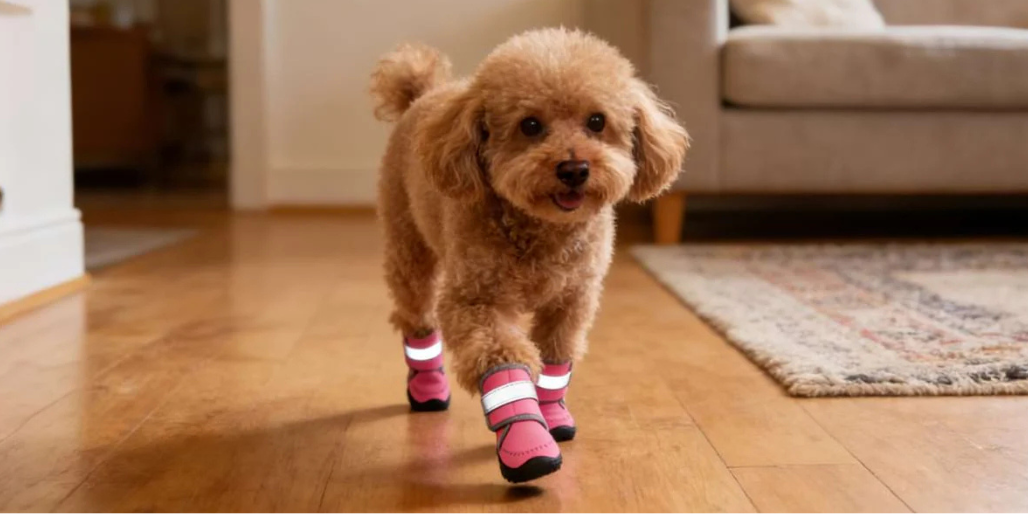
Dog shoes are specifically designed footwear to protect your dog’s paws from harsh surfaces and elements. Whether you’re strolling through the neighborhood or embarking on an outdoor adventure, dog shoes can prevent burns, cuts, and other injuries to your dog’s paws. Here are some reasons why dog shoes are a must-have:
- Protection from Hot Pavement: Summer months bring high temperatures, and the pavement can get unbearably hot for your dog’s sensitive paws.
- Outdoor Adventures: Whether hiking on rugged trails or walking through icy streets, dog shoes provide the support and protection needed for tough terrain.
- Injury Prevention: Dog shoes can protect your pet from sharp objects, hot sand, ice, or snow.
- Cleanliness: Keep paws clean and dry by preventing dirt, mud, and debris from sticking to their feet.
Types of Dog Shoes: Mesh, Breathable, Non-Slip, and More
Dog shoes come in various styles, each designed for specific purposes. Let’s break down the most popular types, and see which one suits your dog’s needs.
1. Mesh Dog Boots
Mesh dog boots are perfect for the summer months or for dogs that need breathable footwear. These boots are made from lightweight, mesh materials that allow air to flow freely, preventing overheating and sweating.
- Best for: Hot weather, breathable comfort, and summer walks.
- Benefits: Lightweight, moisture-wicking, and keeps paws cool on warm surfaces like hot pavement.
For dogs sensitive to the heat, mesh dog boots are an excellent choice as they provide comfort while offering the protection they need. These boots are also great for sandy beaches or hiking trails where cooling comfort is a priority.
2. High Top Dog Boots
High top dog boots provide extra ankle support and protection. They come with a higher coverage around the ankle and sometimes the lower part of the leg. These boots are perfect for dogs that need more support during longer hikes or those who are prone to joint issues.
- Best for: Rugged terrain, long hikes, and extra ankle protection.
- Benefits: Stability and support, ideal for tough outdoor activities.
If your dog enjoys hiking or outdoor adventures, these boots offer more security and prevent dirt and rocks from getting into the boot.
3. Breathable Dog Shoes
Breathable dog shoes are designed to allow proper airflow while protecting your dog’s paws. They are often made from mesh or perforated materials, which help to keep the paws dry and comfortable even in hot weather.
- Best for: Summer and hot weather conditions.
- Benefits: Prevents overheating, sweat buildup, and keeps paws dry during walks.
Breathable dog shoes are essential when your dog has to walk on hot pavement or needs extra cooling protection for their paws.
4. Summer Dog Boots
Summer dog boots are made for hot climates, designed to protect your dog’s paws from the harsh effects of hot pavement, sand, and asphalt. These boots typically feature breathable and lightweight materials to provide comfort during walks on sunny days.
- Best for: Hot pavements, beaches, and summer activities.
- Benefits: Heat protection, prevents burns and discomfort.
Summer dog boots are especially useful in areas with high temperatures where walking without protection can cause burns and injuries to a dog’s paws.
5. Dog Shoes for Small Dogs
Small dogs often need specially designed shoes due to their smaller paw size. Shoes made for smaller breeds are more compact, ensuring a snug and secure fit. Proper sizing is key, as poorly fitting shoes can irritate your dog.
- Best for: Small breeds, extra comfort, and proper sizing.
- Benefits: Tailored for smaller paws, better fit, and extra comfort.
When choosing shoes for small dogs, always measure their paws to ensure a proper fit. You’ll want a pair that’s easy to put on but stays securely in place during walks.
6. Dog Shoes for Hot Pavement
Dog shoes designed specifically for hot pavement protect your dog’s paws from burning when walking on asphalt, concrete, or sand. These shoes often feature durable, heat-resistant soles that help cushion the paws and prevent painful burns.
- Best for: Walks on hot pavement, sand, or asphalt.
- Benefits: Heat-resistant soles, extra cushioning.
These shoes are a must-have for dogs in warm climates or for those who like to walk during midday when the ground is at its hottest.
7. Non-Slip Dog Boots
Non-slip dog boots are essential for providing traction, especially on slick surfaces like rain-soaked streets, icy paths, or hardwood floors. The soles of non-slip boots are designed with tread patterns or rubber to enhance grip and prevent slipping.
- Best for: Wet or icy weather, slippery indoor surfaces.
- Benefits: Increased traction, safety, and stability.
If you live in an area with frequent rain or snow, these boots will help your dog maintain a solid grip and avoid slipping, ensuring that they stay steady on their paws during walks.
How to Choose the Right Dog Shoes for Your Pup
Selecting the perfect pair of dog shoes depends on your dog’s needs, activity level, and the environment they’ll be walking in. Here’s what to consider:
- Size & Fit: Measure your dog’s paws to ensure you get the right size. The shoes should fit snugly but not too tight. Most brands offer sizing charts to help.
- Material: Choose a material that suits your dog’s environment. Breathable mesh works well for summer, while rubber or waterproof materials are ideal for winter or wet conditions.
- Activity Type: If your dog is very active and enjoys outdoor adventures, opt for high-top boots or boots with ankle support. For casual walks, breathable or summer boots may be more comfortable.
- Weather: Choose shoes that are designed for the season. For hot pavement, look for shoes with heat-resistant soles; for winter, choose boots with insulation.
Shop the Sovelivee Dog Shoes Collection
At Sovelivee, you’ll find a wide variety of high-quality dog shoes to suit all needs. From breathable mesh boots for summer to high-top boots for rugged hikes, Sovelivee has it all. Their dog shoes are designed with comfort, durability, and paw protection in mind.
Browse the Sovelivee Dog Shoes Collection for options like:
- Mesh Dog Boots: Keep your pup cool and comfortable in the summer heat.
- High Top Dog Boots: Perfect for long walks and extra ankle support.
- Non-Slip Dog Boots: Ideal for maintaining traction on slippery surfaces.
When Should Your Dog Wear Shoes?
- Hot Weather: Protect paws from hot pavement, sand, and concrete.
- Outdoor Adventures: Hike through rough terrains without worrying about rocks or sharp objects.
- Winter Weather: Keep paws safe from ice, salt, and snow.
- Indoors: Non-slip boots can prevent slipping on hardwood floors.
Conclusion
Dog shoes are more than just a fashion statement—they are a practical investment in your dog’s comfort and safety. Whether you’re dealing with hot pavement, icy sidewalks, or rugged hiking trails, the right pair of dog shoes will protect your dog’s paws from the elements and improve their mobility. Shop Sovelivee’s collection today and find the perfect pair to suit your dog’s needs!
FAQs
Do dogs really need shoes?
Not all dogs need shoes, but they are essential for dogs that walk on hot pavement, icy streets, or rough trails. They provide comfort, protection, and prevent injuries.
How do I know the right size?
Measure your dog’s paw width and length using a soft tape measure. Refer to the sizing chart provided by the manufacturer to find the best fit.
Can dogs walk naturally in boots?
Yes! It may take a little time for your dog to adjust, but with the right fit and style, they can walk naturally and comfortably in boots.
How do I keep dog shoes from slipping off?
Choose dog shoes with adjustable straps or Velcro closures to ensure a secure fit. Make sure the shoes are the right size and fit snugly around your dog’s paws.

Introduction
Horses have coexisted with humans through thousands of years at least primarily through their role as devoted friends in addition to competitive athletes and productive partners. Amateur horse enthusiasts ask How long do horses live? more than anything else. The lifespan of horses depends on their breed identity along with their receiving care and their life experiences. This article explores the life-span factors that affect horses while providing methods for extending their healthy longevity.
The General Lifespan of Horses
A quick answer to How long do horses live is between 25 to 30 years. Veterinary medical progress and better nutritional practices and enhanced equine care have substantially increased horse longevity together with long-term wellness. Thorough proper care enables horses to reach ages exceeding 40 years.
Ponies along with Arabians and particular horse breeds demonstrate exceptional longevity by reaching beyond average lifespan numbers. Draft horses together with other large breeds experience shorter overall life expectancies. Research shows the importance of identifying the factors that affect horse lifespan because of their variable and inconsistent life spans.
Factors That Influence How Long Horses Live
Several factors determine a horse’s lifespan, including genetics, breed, care, and environment. Let’s explore these in detail:
1. Breed Differences
The lifetime expectancy of horses significantly depends on their breed.
- Ponies tend to survive longer than other equine species because they reach forty years and higher. Their small size together with their sturdy character increases their lifetime expectancy.
- Shires and Clydesdales represent draft horse breeds whose average lifespan amounts to 20 to 25 years. The large size of draft breeds causes additional pressure on their joint systems as well as internal body functions resulting in potential health problems advancing at an earlier age.
- Light Breeds including Arabians and Thoroughbreds demonstrate excellent endurance and agility by reaching their 30s with appropriate health care. Arabians are known throughout the world for their remarkable health condition and extended life expectancy.
2. Wild vs. Domestic Horses
Wild horses usually live for a period of 15 to 20 years. Longevity for wild horses remains short because of intolerable environmental settings along with minimal veterinary service and natural predators threatening their survival. The regular medical care together with balanced nutrition and shelter provided to domestic horses leads to extended life expectancy compared to wild horses.
During their existence wild horses actively seek their nourishment and hydration yet they frequently endure droughts in addition to severe weather conditions. Horse health condition exacerbate naturally because they cannot receive veterinary treatment. Controlled environments support domestic horses to thrive because they receive continuous fulfillment of their needs.
3. Nutrition and Care
The life expectancy of a horse directly depends on adequate nutrition. A diet that contains proper proportions of fiber together with vitamins and minerals helps support the health of horses and various systems in their bodies. To achieve proper nutrition horses need a combination of hay together with grains along with fresh pastureland. Veterinary professionals who provide routine care together with dental examinations and vaccinations protect horses from diseases which leads to longer life expectancy.
Dental care stands as vital for horses since their teeth grow endlessly and develop pointed edges which result in eating troubles and ache. The practice of frequent floating helps horses eat correctly to stay healthy and achieve normal weight.
Comparing Horse Years to Human Years
Typically horse owners attempt to calculate what number of horse years corresponds to human years. General principles exist to assist in estimating this comparison but no exact mathematical relation exists between horse and human years.
- A one-year-old horse corresponds to the development stage of a six-year-old child.
- A 20-year-old equine animal corresponds to the human age of 60.
- Horses experience quick aging during their initial years and subsequently their speed of aging decreases with time.
There exists a friendly method to estimate a horse’s age yet factors beyond the comparison include breed type and daily activities which influence their lifespan. The age difference between a well-kept pony at 25 years old and a draft horse of the same age results in diverse aging appearances.
The Impact of Equine Sports on Longevity
Athletic horses participating in show jumping along with dressage and racing develop physical stress that leads to reduced life span potential. The use of correct preparation methods together with routine veterinary examinations and therapeutic interventions decreases the danger variables associated with these strenuous activities.
Lessen the effects on a horse’s musculoskeletal health by using developed training methods along with tailor-made saddles and specific recovery routines. The intense nature of show jumping and racing causes significant joint and ligament injuries to affect primarily these two horse types. Focusing on horse health enables owners to support their horses both within their activity competitions and through their longer life span.
Maintaining Horse Health for Longevity
To maximize how long horses live, owners must focus on preventive care and overall well-being. Here are some key strategies:
1. Routine Veterinary Care
Routine medical examinations combined with vaccines and parasite treatment for horses are fundamental elements needed to stop illnesses from occurring and detect health concerns during an early stage. Horse vaccinations defend animals from tetanus and influenza infections while deworming medication stops parasite-caused digestive system harm.
2. Proper Nutrition
The dietary needs of a horse should match their age characteristics and breed standards as well as their exercise intensity for optimum health. Special diets containing joint supplements must be provided to senior horses. Older horses who have dental problems or Cushing’s disease should eat feeds that contain fiber and contain minimal sugar amount.
3. Exercise and Mental Stimulation
Exercise that minimizes strain helps preserve your horse’s muscles and their body joints. Quiet exercises including walks along with light trotting together with having time in pasture keep horses active in a healthy way. The overall health of horses improves through social contacts with their peers together with mental stimulation.
4. Therapies and Supplements
Three effective treatments for physical stress include massage therapy as well as chiropractic care and acupuncture. Nutritional supplements like glucosamine and chondroitin support joint health, especially in older horses. Liver supplements provided every day help senior horses with arthritis achieve better movement and increased comfort.
Common Health Risks for Horses
Despite the highest quality healthcare horses might suffer from health conditions which shorten their time on Earth. Some common issues include:
- An untimely delivery of medical attention becomes necessary for horses with colic since this digestive condition proves dangerous for their survival. Affecting horses are the symptoms of abdominal pain along with restlessness and decreased appetite.
- Youthful horses with Cushing’s Disease develop a curled coat along with exceptional thirst.
- Arthritis functions as a degenerative joint disease which reduces mobility because it commonly occurs in elderly horses or those who performed extensive physical activities.
Timely intervention with health care allows owners to help their horses experience both longer and better life quality.
Environmental Factors and Their Impact
Environmental conditions determine how long horses live. Environmental elements together with unfavorable climate conditions and incorrect pasture care result in detrimental health issues for horses. The provision of suitable shelters together with clean water supply and protected grazing areas helps reduce the number of risks that horses face.
In wintertime horses must have heated shelters combined with extra dietary calories to sustain their body heat. Summer requires horses to have shaded areas and plenty of fresh water access in order to prevent both dehydration and heat strain.
Our Responsibility as Caretakers
All horse caregivers are bound by the duty to create a happy, pain-free existence for their horses. A horse’s lifespan reaches its maximum when caretakers provide consistent observations together with quick medical help in an environment that nurtures their health. All types of horses including ponies, draft horses and Arabians remain healthy when you demonstrate care and affection.
Regular daily horse interactions enable you to detect minor wellness changes through both physical appearance and behavioral indicators. The diagnosis and proper treatment during an early stage dramatically enhances their lifestyle quality.
Conclusion
The knowledge of how long horses live enables us to develop better care systems, thus horses become valuable sources of power and attractive companions that show unwavering loyalty. The lifespan of horses depends on their ancestry and their genes but appropriate healthcare combined with the right nutrition and secure surroundings plays the largest role. Health and well-being priorities enable us to guarantee that our equine companions have long rewarding lives.
You need answers regarding the longevity of horses along with appropriate care practices. Post your ideas about horse life spans in the comment section. Together we should appreciate the extended lives of magnificent creatures.
Frequently Asked Questions (FAQs)
- Can horses live longer than 40 years?
Yes, though it’s rare. Some ponies and well-cared-for horses have lived into their 40s. - What is the oldest recorded horse?
The oldest recorded horse was Old Billy, who lived to be 62 years old. - How can I tell if my horse is aging well?
Look for signs like good mobility, a healthy appetite, and a shiny coat. Regular vet check-ups are also essential. - What should I feed an older horse?
Senior horses benefit from high-fiber feeds that are easy to chew, along with joint and bone health supplements. - Do wild horses live shorter lives than domestic horses?
Yes, wild horses face challenges like predators, harsh weather, and limited access to food, resulting in shorter lifespans. - How can I reduce my horse’s stress?
Provide consistent routines, proper shelter, and regular interaction. Turnout time and companionship also help. - Does exercise help horses live longer?
Yes, low-impact exercise strengthens muscles and joints, reducing the risk of age-related issues and improving overall health.
also read; Mallory Plotnik Review

Introduction
The dislike of water stands as one of the most distinctive behavioral characteristics in cats. Participating in bathing or causing hesitation while encountering moisture stands as a typical characteristic among most felines. But why is this the case?
Numerous factors linked to evolution and biology along with natural feline instincts determine why cats develop water aversions.
Most cats demonstrate remarkable abilities to escape water whereas some exceptions will show tolerance or display an interest in water contact. This piece explores the recognizable feline aversion to water by analyzing its scientific causes and examining the exceptions among particular breeds of cats.
At the completion of this guide you will understand everything about Why Do Cats Hate Water also finding strategies to ease water-based experiences for your kitten.
Evolutionary Origins of Cats and Water
Desert Ancestors and Limited Exposure to Water
The African wildcat (Felis lybica) provided the ancestor for modern domestic cats (Felis catus) while it resided in arid desert areas. Early cats faced poor water conditions in their environments therefore they showed little interest in engaging with large bodies of water. The breeding of dogs for water retrieval resulted in retrieving ducks skills but cats have never evolved this natural swimming behavior.
Survival Instincts: Water as a Potential Threat
Cats develop natural wariness of standing water in their natural habitat because predators including crocodiles and snakes might hide beneath the water surface. The instinctive fear passed from one generation to the next constitutes the basis of Why Do Cats Hate Water. Running water sounds will activate alert responses for felines because such sounds indicate concealed threats hidden within unknown hazardous environments.
Comparison with Other Feline Species
Every wild cat does not follow an avoidance pattern when it comes to water interaction. Big cats demonstrate exceptional swimming abilities because tigers and jaguars use water spaces for hunting along with heat regulation. The natural habitats of these species contained plentiful water sources because their ancestor domestic cats originated in dry desert environments.
The Role of Fur and Temperature Regulation
How a Cat’s Fur Reacts to Water
Unlike otters together with ducks, cats possess fur which does not repel water. The fur of a cat functions by absorbing the water it contacts which results in heavy weight and discomfort. The resistance to move freely due to its weighty condition and the feeling of heaviness because of water exposure provides an additional cause for Why Do Cats Hate Water.
Wet Fur and Body Temperature
Due to their temperature difference from humans which measures 101-102.5°F, cats rely on their fur layer as insulation. Dampness affects a cat’s fur insulation capability so their body becomes hypersensitive to cold exposure and feels extremely cold and defenseless. Cats detect temperature variations strongly thus experiencing unpleasant sensations because of it.
Grooming Disruption
Cats use half of their active time period to maintain their personal hygiene through self-grooming. Water affects the natural grooming process because it causes their fur to clump together thus interfering with their production of natural oils. The discomfort from water interrupting their grooming process drives cats to maintain their negative impression of water.
Sensitivity to Smell and Sound
Acute Hearing and the Sound of Water
The ears of cats perform at high sensitivity to detect sounds at frequencies which remain inaudible to human hearing. The noise of running water as well as splashing and rain often causes overwhelming stress to cats.
Scent Marking and Water’s Effect on Smell
Cats depend highly on scent signals to maintain communication with others. Consecutive scent glands distributed across their cheeks and paws and their tail allow them to establish territorial boundaries. Cats lose their scent markers and feel uncertain in their surroundings because water deletes them leading to the reason Why Do Cats Hate Water.
Chlorine and Chemical Sensitivity
The chemical additives in tap water frequently produce strong odors because they include chlorine or other substances. Because their sense of smell exceeds human capabilities the odors present in tap water become strong enough to cause repulsion in cats.
Negative Past Experiences with Water
Traumatic Bathing Experiences
Following just one unpleasant encounter with water many cats establish a permanent fear that stays with them for life. Such negative water experiences lead cats to completely avoid contact with water.
Fear of Loud Noises (Thunderstorms, Hair Dryers)
Extreme water exposure during circumstances of heightened stress like thunderstorms or during hair-drying sessions tends to augment their fear.
How to Overcome Water-Related Trauma
A negative water experience in cats can be addressed through an approach of gradual sensitivity training. The first step involves permitting your cat to discover a small water-filled bowl at their own speed so they can gain feelings of comfort through positive reinforcement when they stay peaceful.
Instinctual Fear of Drowning
Lack of Natural Swimming Instincts
The primary reason Why Do Cats Hate Water is their inability to paddle like dogs since natural swimming instincts usually elude most felines. After submersion they experience panic followed by rapid movements that leads to unintentional water intake which intensifies their fear.
Body Structure and Buoyancy
The athletic body structure of cats makes swimming challenging due to poor aquatics ability. The minimal air capacity in dogs makes floating skills inferior to other large-bodied aquatic animals.
Can Cats Learn to Swim?
With patience most cats can learn to accept water exposure but they typically stay away from water. The practice of making cats swim will trigger severe stress reactions in them thus being something that owners should avoid.
Breed Exceptions: Cats That Like Water
Turkish Van – The “Swimming Cat”
This scarce canine breed has natural swimming abilities thanks to its water-resistant fur and aficionado for aquatic activities.
Bengal Cats – Fascinated by Running Water
Bengal cats show a preference for faucet games and water fountains as well as short water jumps.
Maine Coons – Tolerant of Water
Anaerobic aerobic exercise and their thick waterproof coat allow some Maine Coons to become more comfortable with water activities.
Other Breeds That May Enjoy Water
- Abyssinian
- Savannah
- Norwegian Forest Cat
How to Safely Introduce Your Cat to Water
When Do Cats Need Baths?
Most cats manage self-grooming and prefer to stay unbathed, however the following conditions may require bathing:
- Long-haired breeds prone to matting
- Cats with skin conditions
- The bathing process applies to elderly or obese cats when they find grooming difficult.
Step-by-Step Bathing Tips
- Use a Calm Approach – Avoid sudden movements.
- Lukewarm Water Only – Extreme temperatures can scare them.
- Gentle Pet-Friendly Shampoo – Never use human soap.
- Reward with Treats – Positive reinforcement helps.
- Dry Thoroughly – Use a warm towel, not a loud dryer.
Alternatives to Traditional Baths
- Waterless cat shampoo
- Damp cloth cleaning
- Grooming wipes
Final Thoughts
By the conclusion, you may have understood Why Do Cats Hate Water? The avoidance of water stems directly from their development as species and natural biological characteristics of their bodies. Cats inherited from desert regions along with delicate fur and natural fear of drowning usually avoid water but certain breeds demonstrate different behavior. Pet owners can gain more understanding when approaching water-related situations since they understand these reasons.
Bath time should remain a rare occasion since most felines only require water for medical purposes when they strongly dislike this experience. Supervised water activities provide encouraging enrichment options for the small number of cats that show water-related interest.
FAQs About Cats and Water
1. Do all cats hate water?
The Turkish Van and Bengal cats belong to the breeds that like water yet domestic cats generally avoid it.
2. Is it possible for owners to teach their cats to develop a liking for water?
Some cats learn to tolerate water exposure after receiving supportive training but pressure plays a role in elevating their fear of water.
3. Why my cat shows behavior of playing with water sources while actively staying dry?
Cats are attracted to moving water sources yet they avoid receiving water on their bodies.
4. Does it pose any danger for my cat to stay completely dry throughout its life?
Cats possess their own cleansing ability and chemical cleanser often requires professional bathing when sickness occurs.
5. At what interval should I provide baths for my cat?
Atypical for most cats they need bathing only during specific situations. Sprinting water on fur causes the drying out of natural oil protection.
Learning Why Do Cats Hate Water lets you manage their care properly while appreciating their natural antipathy to water.

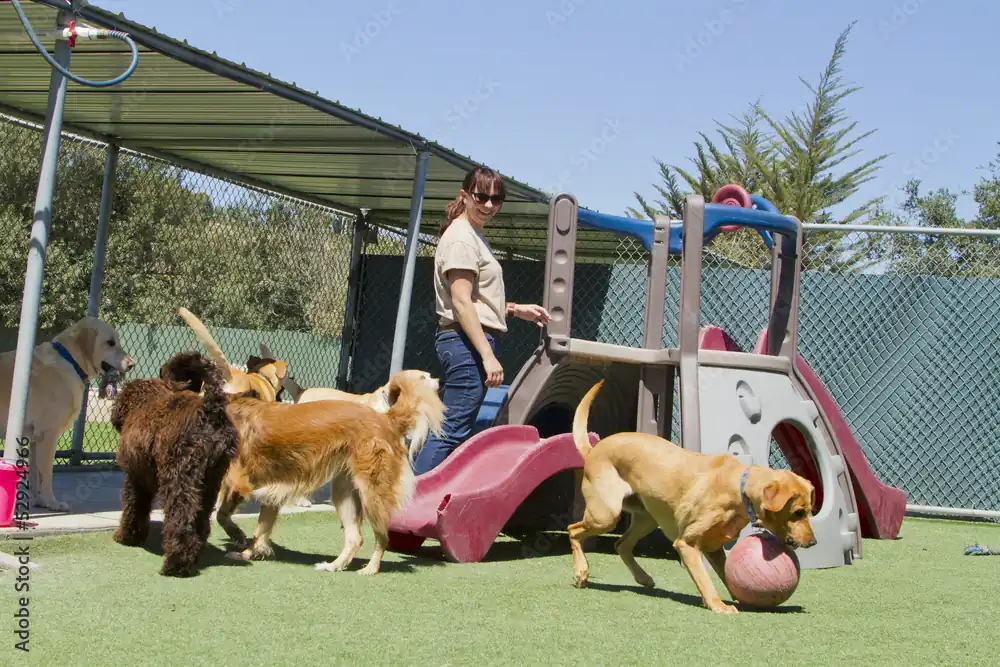
Dog boarding facilities support your pet’s safety and well-being through supervision, structured care, socialization, and enrichment. Your dog enjoys a comfortable space to relax. These areas are designed to feel familiar and welcoming. Here are a few ways in which boarding provides for your dog’s safety and well-being:
Structured Daily Care
Boarding facilities provide consistent schedules for care, including feeding, walks, and rest periods. These routines help dogs adjust to a new environment. Sleeping areas offer comfort and separation when needed, supporting calm behavior throughout the day. Structured care during dog boarding helps dogs settle while away from home.
Supervised playgroups allow dogs to interact with one another safely. Staff monitor these sessions to maintain positive engagement. Dogs can expend energy and engage in mental stimulation within a controlled setting. Playtime encourages social interaction and supports overall well-being.
Professional Grooming Services
Including professional grooming services helps maintain a dog’s coat and overall cleanliness. End-of-stay care leaves dogs clean after eating, playing, and resting. Brushing keeps coats tidy and manages shedding. Nail trimming and ear cleaning support comfort during their stay, and attention to these needs promotes a pleasant boarding experience.
Daily routines at boarding facilities provide structure and predictability, offering a consistent environment. Dogs spend time eating, exercising, playing, or preparing for rest throughout the day. Regular schedules make transitions smoother when returning home. Designated eating and rest areas offer consistent spaces for dogs in new surroundings.
Combining grooming with structured routines supports a well-rounded boarding experience. Scheduled activities encourage movement and engagement, while grooming keeps dogs clean and comfortable. Dogs have spaces for rest, meals, and play throughout the day. These practices help dogs feel settled and cared for while away from home.
Kennel-Free Accommodations
Kennel-free boarding in the centers provides comfortable accommodations. Dogs stay in rooms or suites instead of cages or pens. Sleeping areas replicate home environments for rest, and playrooms provide a space for supervised activity to support movement. With space to walk, play, eat, rest, and interact, these kennel-free setups offer opportunities for canine care during boarding.
Boarding programs also include activities that engage dogs physically and mentally. Daycare adjusts play to energy levels and individual preferences. Puzzle toys encourage problem-solving, while agility courses provide exercise and skill-building. Group interactions add social engagement, and quiet periods allow dogs time to recharge between activities.
Temperament Assessment Trials
Behavioral assessments of new dogs help staff understand their energy levels, play styles, and social tendencies. This information allows boarding facilities to organize playgroups safely and manage group sizes effectively. Observing interactions provides insight into how dogs adjust to new environments and guides staff in providing attentive care. Detailed evaluations support individualized handling while promoting a safe and comfortable experience for all dogs in the facility.
Discover Dog Boarding Today
Look for kennel-free safe areas, play routines, social play groups, and on-site grooming when choosing dog boarding facilities. Meeting with staff members allows you to request forms to visit and assess boarding levels effectively.Boarding centers with these facilities support your dog’s safety and care while you are away. Enroll your dog in a boarding facility today.

Bebees Pink Beekeeper Suit: Comfortable, Safe & Stylish Protection
Experience the excitement of licensed casinos with Neosurf Casino Australia
Fast payouts and exciting games await at New Online Casino Canada 2026

Taylor Swift’s Producer Hints at New Album Release This Year: TS12, Reputation (Taylor’s Version), and All the Clues
麻 豆 传 媒体: A Comprehensive Insight into the Media Powerhouse
